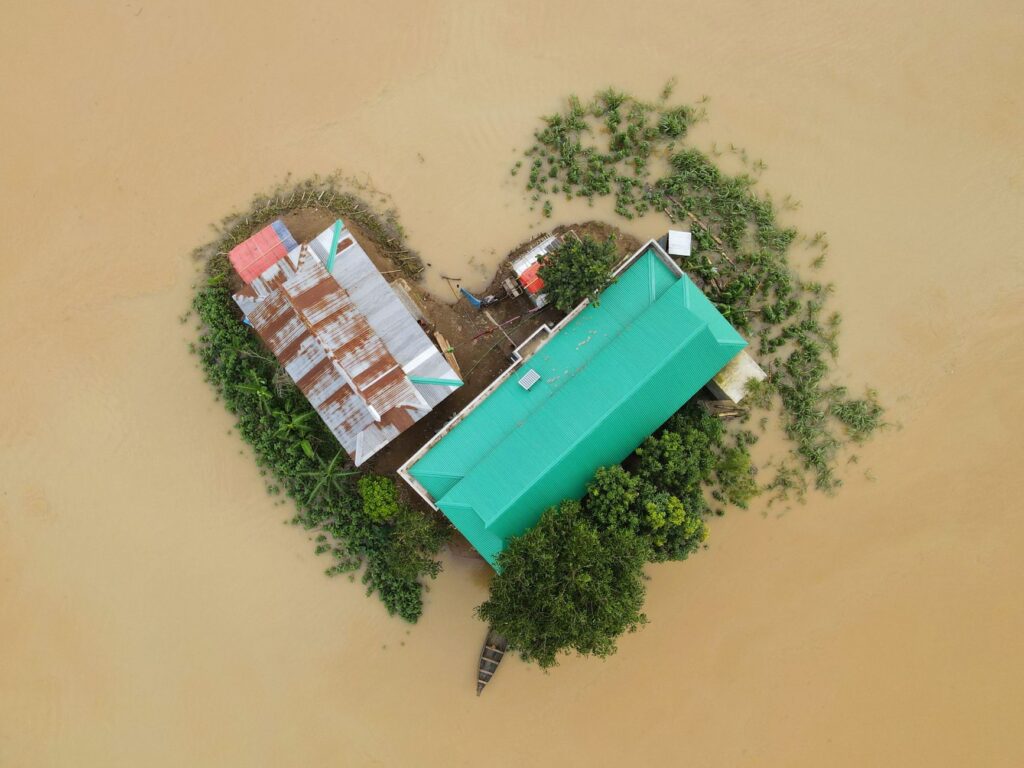

Severe weather conditions have significantly disrupted humanitarian missions in Nepal, where rescue operations face major hurdles following destructive flash floods along the border with Tibet. Continuous downpours have severely impacted infrastructure, leaving critical transport routes impassable and delaying vital assistance to communities in urgent need.
Roads Turned to Impassable Mud
The ongoing precipitation has turned major regional thoroughfares into thick mud, effectively halting emergency vehicles carrying essential supplies. Heavy trucks and relief transport are currently stranded, unable to navigate the compromised terrain to reach affected populations. This logistical breakdown has left authorities struggling to deliver food, clean water, and medical aid to areas cut off by the disaster.
Thousands Await Rescue and Support
Rescue teams are grappling with the immense scale of the crisis as thousands of individuals remain unaccounted for in the aftermath of the flash floods. The combination of rising water levels, unstable ground, and continuous rain creates treacherous working conditions for emergency personnel. Aerial assessments and ground teams continue to look for survivors, but the adverse weather severely limits movement and response times.
Challenges Facing Humanitarian Agencies
Humanitarian organizations operating in the region note that damaged infrastructure remains the primary obstacle to effective disaster management. Without reliable access routes, coordinating a unified response becomes exceptionally difficult. Relief coordinators are urging patience while working to clear blocked paths and establish alternative routes to reach the most vulnerable sectors.
Outlook for Recovery Efforts
Authorities remain focused on restoring basic connectivity to the disaster zones as soon as weather conditions permit. Heavy machinery is being mobilized to clear mudslides and debris from main pathways. However, until the relentless rain subsides, the full extent of the damage cannot be accurately assessed, and rescue operations will continue to face severe delays.