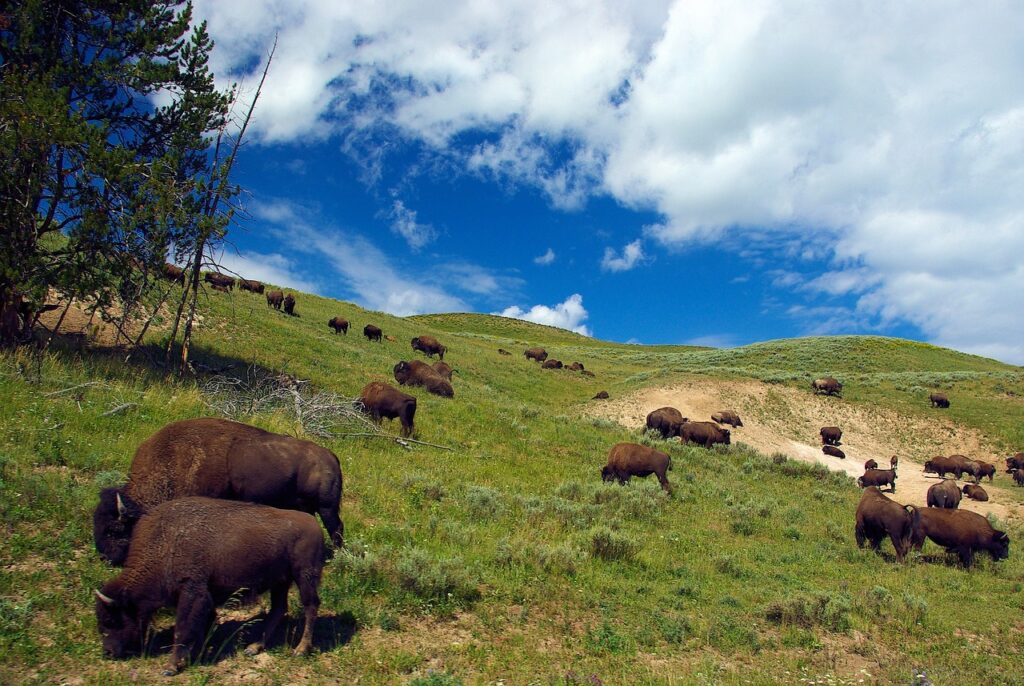

A 12-year-old visitor sustained injuries during an encounter with a bison at Yellowstone National Park earlier this week, according to an official statement released by the National Park Service (NPS). Emergency medical personnel responded to the scene and transported the juvenile to a nearby hospital for treatment, marking the latest in a series of wildlife incidents within the park’s boundaries.
The Context of Human-Wildlife Conflict
Yellowstone National Park is home to the largest public bison herd in the United States, with numbers often exceeding 5,000 animals. While these animals are a primary attraction for millions of annual visitors, they are wild, unpredictable, and can weigh up to 2,000 pounds.
Park regulations strictly mandate that visitors maintain a distance of at least 25 yards from bison and elk, and at least 100 yards from predators such as bears and wolves. Despite these clear directives, park officials report that tourists frequently approach animals for photographs or closer observation, often underestimating the speed and agility of the massive bovines.
Details of the Incident
The incident occurred in a popular area of the park where bison are known to congregate near boardwalks and roadways. While the specific circumstances leading to the physical contact are currently under investigation, park rangers noted that bison are particularly defensive during the summer mating season, known as the rut.
During this period, bulls become highly aggressive and are prone to charging at perceived threats. Wildlife biologists emphasize that bison can sprint at speeds up to 35 mph—three times faster than the average human—making escape difficult once an animal decides to charge.
Expert Perspectives on Park Safety
Safety experts and park rangers consistently highlight that wildlife in Yellowstone is not habituated to human presence in the way domestic animals are. Dr. Elena Vance, a wildlife behaviorist, notes that “visitors often mistake a bison’s calm demeanor for docility, which is a dangerous misconception. When a bison shifts its posture, paws the ground, or snorts, it is already signaling an impending attack.”
NPS data indicates that bison cause more injuries to visitors in Yellowstone than any other animal, including grizzly bears. The recurring nature of these incidents has led the park to implement aggressive public awareness campaigns, including signage at every trailhead and mandatory safety briefings for tour groups.
Industry and Visitor Implications
For the tourism industry, this incident underscores the ongoing challenge of balancing accessibility with visitor safety. As social media continues to drive interest in “wildlife selfies,” park authorities are facing increased pressure to enforce stricter patrol measures and potentially limit access to high-traffic wildlife corridors.
For future park visitors, this serves as a critical reminder that the park is an untamed ecosystem. Industry analysts expect that Yellowstone may soon increase fines for wildlife harassment and potentially expand the use of digital monitoring to track visitor proximity to herds in real-time.
Looking ahead, park officials are expected to release a full incident report that will help determine if additional physical barriers or increased ranger presence are required in the specific sector where the injury occurred. Visitors should anticipate more rigorous enforcement of safety zones throughout the remainder of the peak summer season as the park continues its mission to protect both the public and the wildlife population.