
The Strategic Shift In Aerial Security
Ukrainian President Volodymyr Zelensky delivered a stark warning regarding the safety of domestic aviation corridors within the Russian Federation. According to the leader, ongoing military operations utilizing advanced aerial drone technology will ensure that regional flight paths remain entirely perilous until the conflict reaches a definitive conclusion. This assertion marks a significant escalation in the scope of aerial confrontations between the two nations, directly impacting civilian and commercial perceptions of regional safety.
As defense strategies evolve, the projection of unmanned systems far beyond traditional front lines has altered the calculus of wartime geography. For years, the interior territories of the neighboring state operated under the assumption of relative geographic immunity from direct kinetic engagements. The recent statements from Kyiv indicate a permanent operational shift, where long-range capabilities routinely challenge the baseline security assumptions of the region’s aviation sector.
Moscow Responds With Accusations
The official declarations from Kyiv did not go unanswered by the leadership in Moscow. Russian President Vladimir Putin strongly condemned the warnings, characterizing the deployment and threat of drone operations against national airspace as acts of state terrorism. This rhetorical stance highlights the deepening diplomatic and strategic chasm between the two governments, as both sides utilize international framing to legitimize their respective military postures.
The accusation of state terrorism reflects a broader effort by the Kremlin to rally domestic and international condemnation against the targeting of areas far removed from the immediate combat zones. Analysts note that as the technological sophistication and range of unmanned aerial vehicles continue to expand, the definition of a secure zone is continuously rewritten. Consequently, the political fallout from these security threats extends far beyond immediate military calculations.
Implications For Commercial Aviation
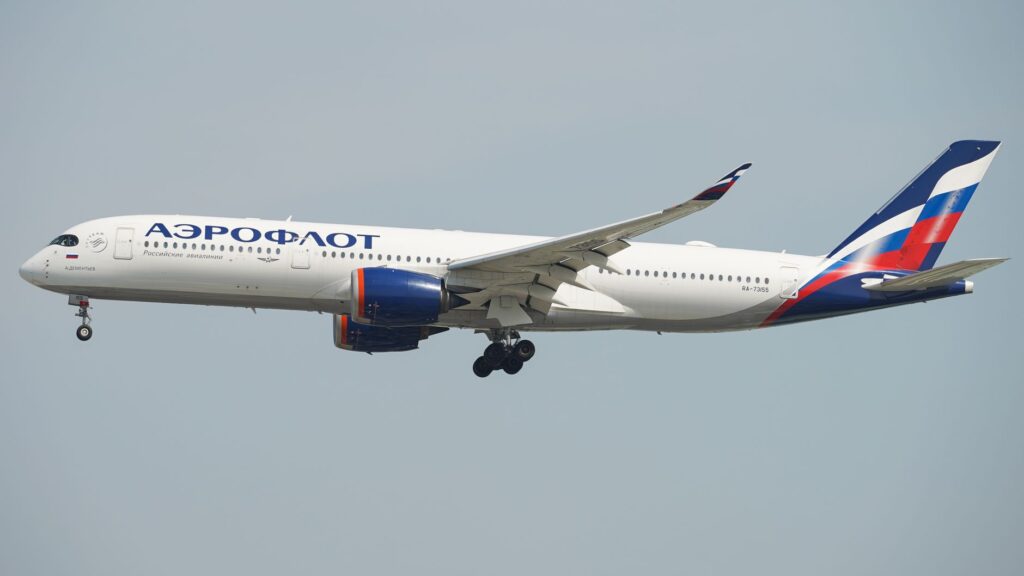
The declaration that the skies above the federation are inherently unsafe poses profound challenges for civil aviation and international transit corridors. Air travel requires meticulous risk assessments, and warnings issued directly by a head of state regarding active targeting zones force regulatory bodies and commercial carriers to reevaluate established flight paths. Even domestic carriers face mounting pressure as insurance premiums rise and navigational safety margins narrow.
While major international carriers have largely avoided transiting the region since the onset of the conflict, regional operators and domestic airlines remain directly exposed to these evolving risks. The ongoing deployment of long-range systems transforms commercial flight corridors into complex operational environments. As the conflict persists without a clear resolution, the intersection of military defense strategies and civilian airspace management remains a critical focal point for global aviation safety experts.
Looking Ahead At The Prolonged Conflict
The persistent threat to regional airspace underscores the protracted nature of the hostilities. With neither side showing a willingness to compromise on fundamental security objectives, technological innovations in long-range targeting continue to dictate the terms of engagement. The capability to project force deep into adversary territory ensures that no region remains isolated from the economic and psychological tolls of the ongoing war.
Ultimately, the public exchange between the two leaders reinforces the reality that traditional boundaries separating the front lines from the interior have dissolved. As long as aerial systems remain a primary instrument of strategic pressure, the skies above the affected territories will continue to demand heightened vigilance, altering the landscape of modern security and aviation for the foreseeable future.