
Introduction to the Disaster
Reporting on natural catastrophes often presents a unique kind of psychological and emotional toll. For seasoned journalists accustomed to covering conflict zones and modern warfare, witnessing the sheer scale of a natural disaster can sometimes feel far more overwhelming. The unpredictable fury of nature leaves behind a landscape of total devastation that challenges the human capacity to comprehend suffering.
Aerial Perspective of the Valley
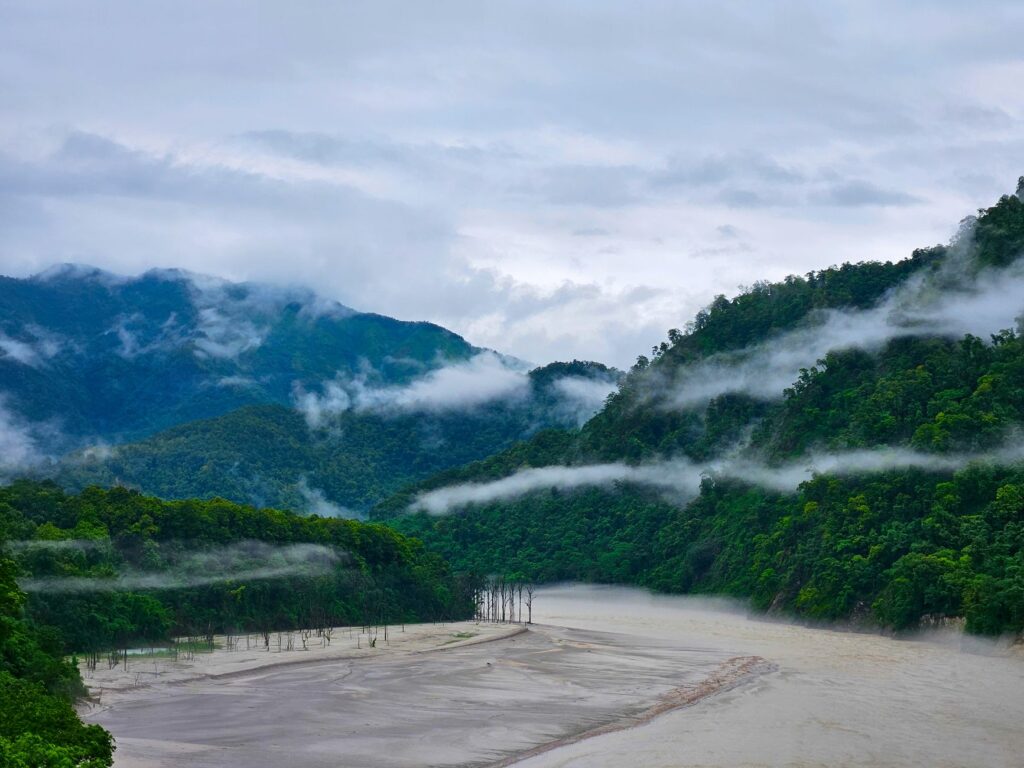
Taking to the skies above the Trishuli River Valley reveals the true magnitude of recent events in Nepal. From high above, the geography of the disaster becomes starkly clear. Entire sections of terrain have been drastically altered, showing the relentless power of environmental collapse. Aerial views highlight how isolated certain communities have become, cut off from immediate ground assistance by blocked routes and unstable land.
Comparing Disasters and Conflict
While human conflict involves calculated destruction and targeted strategies, natural disasters possess an indiscriminate fury. Rivers overflow without warning, and mountainsides give way in seconds, burying homes and infrastructure in a wave of debris. Journalists observing these scenes from above often note that the suddenness of environmental tragedies creates a distinct atmosphere of shock, differing profoundly from the protracted tensions of war.
The Human Toll and Recovery
On the ground and from the air, the primary focus remains on the immense human cost. Search and rescue operations face extraordinary hurdles as they attempt to navigate treacherous terrain. Emergency responders work tirelessly under hazardous conditions, striving to reach survivors and assess the full extent of the damage.
Moving Forward
As Nepal works to recover from the Trishuli River Valley tragedy, the focus shifts toward resilience and rebuilding. Documenting these events serves as an essential reminder of the vulnerability of human settlements to extreme natural phenomena. Through careful reporting and ongoing support, affected regions begin the long journey toward recovery.