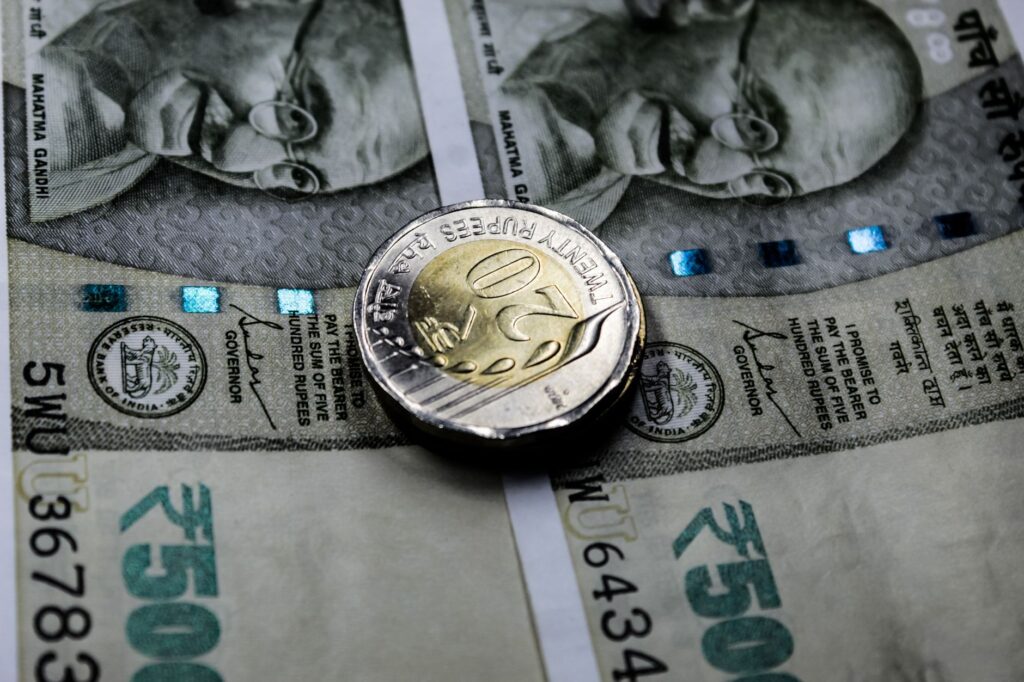

The Indian currency has demonstrated notable strength in recent weeks, recording a favorable exchange rate of 94.27 against the US dollar. This upward movement is directly connected to a substantial financial injection coordinated by the nation monetary authority. Through targeted policy initiatives and specialized financial programs, the Reserve Bank of India managed to accumulate an impressive capital boost exceeding 136 billion dollars.
Understanding The Recent Currency Appreciation
Foreign exchange markets respond swiftly to major shifts in liquidity and capital availability. In this instance, the strategic accumulation of massive financial reserves provided the central bank with the necessary tools to actively defend the domestic currency. Analysts note that this proactive approach has effectively counteracted persistent capital outflows that previously pressured the exchange rate. As a result, market confidence has noticeably improved, establishing a more stable foundation for the national economy.
Strong Performance Within The Asian Region
Regional comparisons highlight the remarkable nature of this recent financial turnaround. Over the past month, the currency has climbed the rankings to become the second-best performing legal tender across the entire Asian continent. This status reflects both the resilience of the domestic financial system and the effectiveness of the recent monetary interventions deployed by policy makers.
Broader Economic Implications And Future Outlook
Maintaining a stable exchange rate remains a primary objective for economic planners. The influx of over 136 billion dollars grants the monetary authority significant leverage to manage volatility and mitigate external shocks. While global market conditions remain dynamic, the current financial buffer ensures that the national economy is well-positioned to handle future currency fluctuations and sustain investor trust.