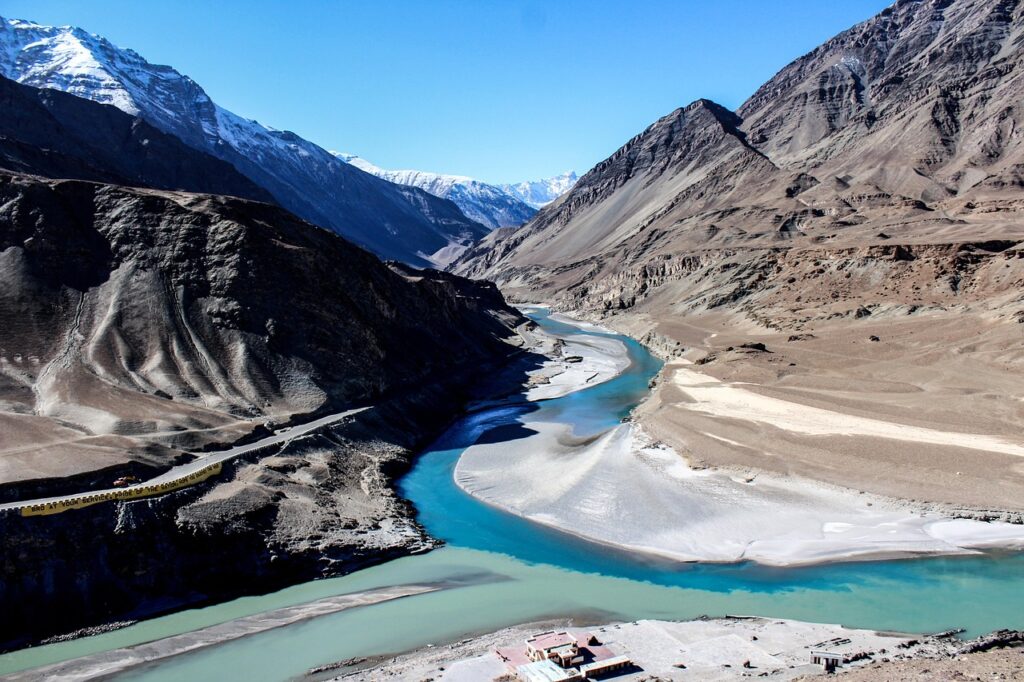

Diplomatic Friction Over Shared Water Resources
Pakistan’s Minister for Water Resources recently issued a stark warning to India, declaring that any attempt to unilaterally alter the Indus Waters Treaty (IWT) would be met with severe consequences. The statement, delivered in Islamabad this week, underscores the escalating diplomatic friction between the two nuclear-armed neighbors regarding the management of transboundary river systems that sustain millions of people in the region.
Historical Context of the Indus Waters Treaty
The Indus Waters Treaty, brokered by the World Bank in 1960, is widely considered one of the most durable water-sharing agreements in history. It allocates the waters of the eastern rivers—the Ravi, Beas, and Sutlej—to India, while granting Pakistan rights to the western rivers: the Indus, Jhelum, and Chenab. For over six decades, the treaty has survived multiple wars and persistent border tensions, providing a framework for technical cooperation through the Permanent Indus Commission.
Points of Contention and Legal Disputes
Recent friction centers on India’s construction of hydroelectric power projects on the western rivers, specifically the Kishanganga and Ratle plants. Pakistan maintains that these projects violate the technical specifications of the IWT by restricting water flow, while India argues that the designs are fully compliant with the agreement’s provisions for run-of-the-river hydroelectric development. The dispute reached a new level of intensity this year as both nations sought different avenues for international arbitration.
India recently issued a notice to Pakistan to modify the treaty, citing a desire for more modernized dispute resolution mechanisms. Pakistan has rejected this approach, viewing it as a potential precursor to the eventual dissolution of the agreement. Experts suggest that the current impasse reflects broader geopolitical trends where environmental resources are increasingly viewed through the lens of national security rather than regional cooperation.
Expert Perspectives on Resource Security
Hydrologists and policy analysts note that climate change is exacerbating the strain on the Indus River Basin, which is home to one of the world’s largest irrigation systems. Dr. Arshad Khan, a regional water policy analyst, emphasizes that the treaty was designed during a time of different climatic realities. “The current volatility is not just about political posturing, but about the existential fear of water scarcity in a warming climate,” Khan stated.
Data from the World Bank indicates that population growth and intensified agricultural demands are putting unprecedented pressure on the basin’s aquifers. As water levels fluctuate, both nations face internal pressure to secure energy and irrigation needs, making the technical details of the treaty a focal point of domestic political discourse.
Implications for Regional Stability
The rhetoric surrounding the treaty suggests a hardening of positions that could complicate future diplomatic engagement. If the legal framework of the IWT continues to weaken, the risk of miscalculation increases, potentially turning a technical water-sharing dispute into a broader security crisis. For international observers, the stability of the Indus basin remains a critical barometer for peace in South Asia.
Moving forward, the international community will be watching for whether the two nations return to the Permanent Indus Commission to resolve their differences or if the dispute moves toward a more protracted legal confrontation in international courts. Any formal withdrawal from the treaty would create a dangerous vacuum in regional governance, likely leading to unilateral water management practices that could have profound humanitarian consequences for downstream communities.