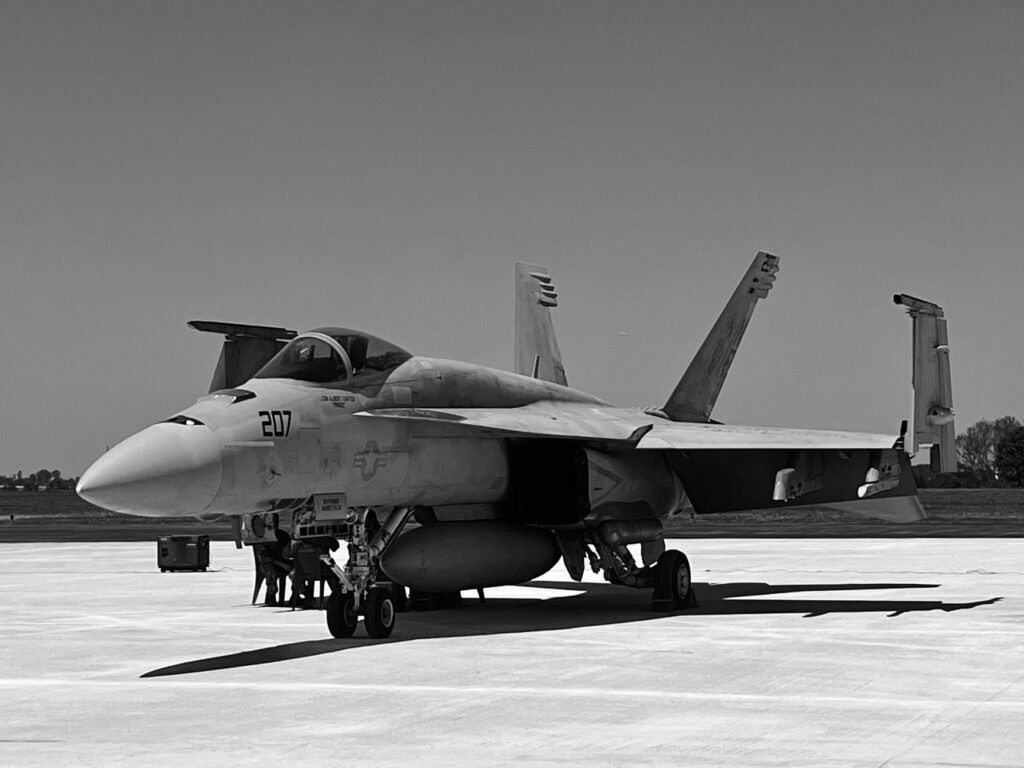

The United States military has executed a second wave of targeted strikes within a three-day window, focusing heavily on strategic military assets along the southern coast of Iran. Recent operations specifically zeroed in on vital radar infrastructure and hostile mine-laying capabilities. These decisive actions mark a significant escalation in regional tensions, prompting widespread international monitoring and urgent diplomatic discussions across global capitals.
Strategic Objectives Of The Recent Operations
The latest military maneuvers are designed to systematically degrade operational capacities that threaten international shipping lanes and regional stability. By targeting radar installations, the armed forces aim to blind surveillance networks that track coalition movements. Simultaneously, neutralizing mine-laying capabilities protects vital maritime corridors from severe disruption. Defense analysts note that these measured strikes reflect a strategic effort to minimize broader escalation while decisively neutralizing immediate tactical threats.
Leadership Perspective On The Conflict Timeline
Addressing the unfolding situation, American leadership expressed confidence regarding the expected duration of the military engagement. Commenting on the operational outlook, officials indicated a belief that the campaign would remain brief and contained. The sentiment reflects an assessment that current capabilities can achieve strategic objectives swiftly without descending into a prolonged entanglement. However, military planners continue to monitor readiness levels to adapt to any unforeseen developments in the region.
Regional Repercussions And Diplomatic Fallout
The ongoing military actions have triggered immediate responses from governments worldwide, with many calling for restraint to prevent a wider regional war. Diplomatic channels remain active as international bodies attempt to de-escalate the situation and encourage dialogue between the affected parties. Energy markets have also reacted to the heightened tensions, reflecting broader concerns about potential disruptions to global oil supplies passing through the affected maritime routes.
Looking Ahead At Future Developments
As the situation continues to evolve, defense experts emphasize the importance of monitoring subsequent military and diplomatic moves. The success of the current strategy relies heavily on achieving precise objectives quickly while avoiding sustained combat operations. Global stakeholders remain watchful, hoping that the prediction of a short-lived conflict proves accurate in the face of ongoing military friction.