
Background And Organization Of The Event
Cultural and religious gatherings often serve as platforms for leaders to address national audiences on various themes. A recent celebration marking the Janmashtami festival brought together government officials, community leaders, and citizens to observe the traditional occasion. The observance was jointly coordinated by the Ministry of Religious Affairs alongside the Hindu Religious Welfare Trust, highlighting institutional involvement in cultural harmony and community welfare.
Such collaborative efforts aim to foster a sense of inclusivity and mutual respect among different segments of the population. State participation in religious festivals underscores the importance of cultural preservation and interfaith dialogue within the nation.
Historical And Mythological References In Speeches
During the official programme, key figures addressed the gathering and engaged with traditional narratives that hold deep cultural significance. Public addresses during festive occasions frequently draw upon ancient lore to convey contemporary messages about governance, morality, and justice.
In this instance, the leadership referenced Kansa, a well-known mythological tyrant from ancient scriptures, to illustrate themes related to oppression and the eventual downfall of unjust authority. By invoking traditional stories, speakers often seek to connect historical lessons with current sociopolitical realities, resonating with audiences familiar with these narratives.
Significance Of Janmashtami Celebrations
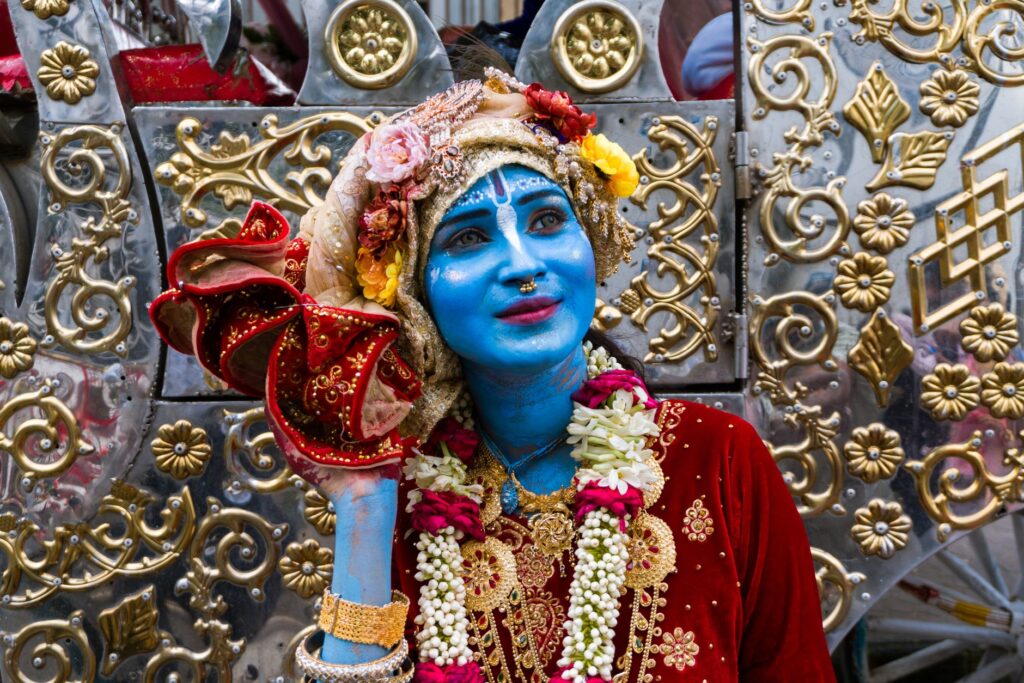
Janmashtami marks the birth of Krishna, a central figure in Hindu mythology known for imparting wisdom, guiding righteous action, and restoring balance during times of turmoil. The festival is observed with devotion, prayer, and cultural presentations across many regions.
Official recognition and participation by government bodies demonstrate a commitment to supporting minority communities and acknowledging their cultural contributions. These events provide an opportunity for leaders to communicate directly with diverse constituencies and reinforce messages of peace, equality, and shared heritage.
Looking Forward
As the nation continues to navigate its complex social landscape, public engagements during religious festivals remain a key component of statecraft and community outreach. The collaboration between government ministries and religious welfare organizations highlights an ongoing effort to maintain open channels of communication and mutual support among all citizens.