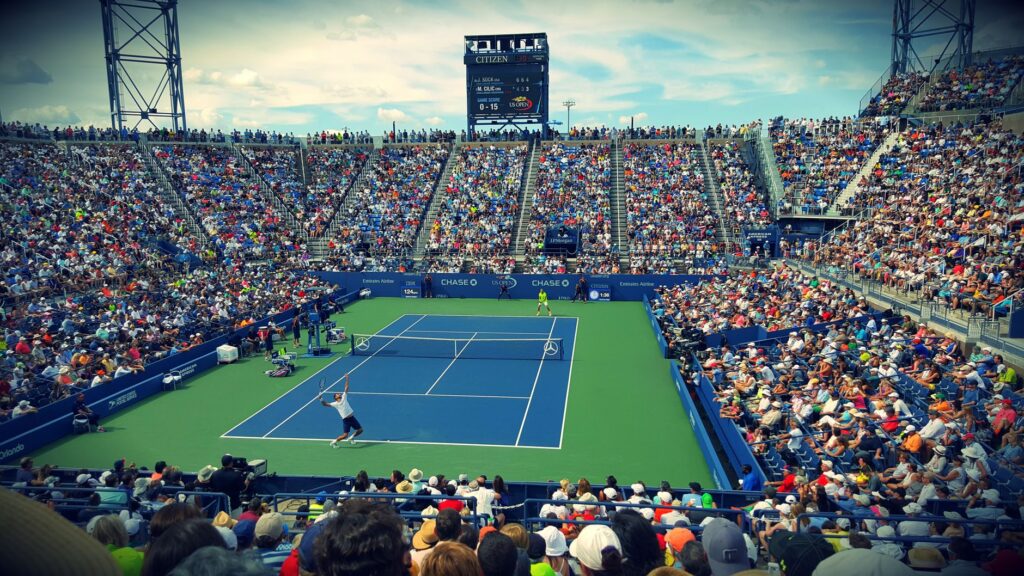

The presence of social media personalities at major sporting events has long been a strategy for expanding audience reach. However, the intersection of digital content creation and elite athletics reached a boiling point during the recent grand slam tournament in New York. A growing number of professional athletes have voiced their frustrations regarding tournament organizers granting complimentary access and special privileges to online influencers.
Shifting Priorities at Major Tournaments
The annual championship draws millions of viewers globally, combining intense athletic competition with high-profile entertainment. In recent years, tournament hosts have actively courted digital creators to capture younger demographics and boost online engagement metrics. These efforts typically involve providing creators with premium seating, backstage access, and dedicated media credentials to document their experiences for millions of followers.
While event management views this strategy as essential modern marketing, many competitors view the initiative through a very different lens. Professional athletes dedicate their entire lives to rigorous training regimens, earning their spots in the tournament draw through relentless hard work and competitive success on the court.
Athlete Backlash and Mismanagement Concerns
Competitors competing in the prestigious event have begun speaking out against what they perceive as favoritism and operational mismanagement. Several players noted that the influx of non-sporting personalities has created logistical challenges on site, crowding player zones, practice courts, and dining areas.
Furthermore, the core complaint centers on the allocation of valuable resources. Athletes argue that space, attention, and operational support should prioritize the competitors, coaches, and staff who are directly involved in the execution of the tournament. Granting high-tier access to individuals whose primary contribution is entertainment rather than sport has left many in the locker room feeling undervalued.
Balancing Entertainment and Sporting Integrity
The ongoing debate highlights a broader cultural shift taking place across the entire sports industry. Modern entertainment franchises increasingly rely on digital branding and influencer partnerships to maintain relevance among Gen Z audiences. Yet, this commercial imperative frequently clashes with the traditional values of competitive sports.
Organizers now face a delicate balancing act moving forward. They must determine how to leverage digital marketing channels without alienating the athletes who form the foundational core of the competition. Addressing these player grievances will require transparent communication and stricter boundary management to ensure that athletic excellence remains the central focus of every grand slam event.