
Passenger Safety as the Ultimate Objective
Commercial aviation relies heavily on rigorous safety protocols and stringent adherence to regulatory guidelines. Recently, aviation authorities and airline management have been thrust into the spotlight following a concerning incident involving flight crew health and compliance. Maintaining absolute vigilance in the cockpit is a non-negotiable requirement for any commercial carrier operating globally. When questions arise regarding the fitness of flight deck personnel, immediate and transparent action becomes essential to preserve public trust and operational integrity.
The Incident Involving the Delhi-Bound Flight
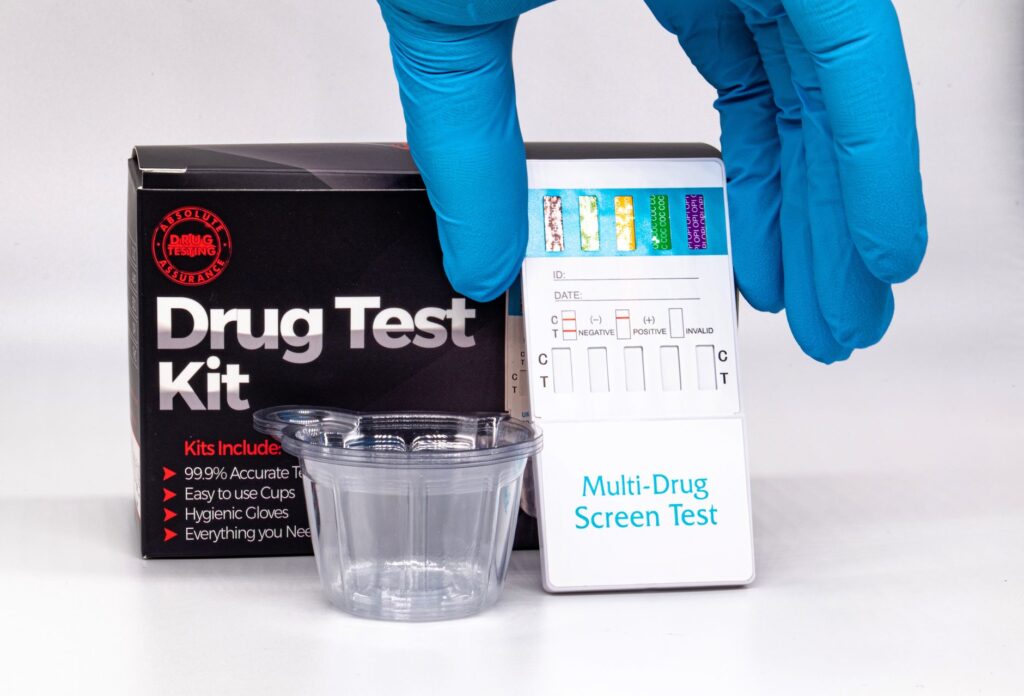
The situation came to light during routine pre-flight screening procedures for a scheduled service heading toward the capital city. Aviation medical examiners conducted mandatory substance screenings, which yielded a non-negative result for the pilot in command. A non-negative test indicator points toward the potential presence of prohibited substances, prompting standard secondary verification processes. This screening takes place before boarding to ensure that no individual impaired by substances takes control of an aircraft carrying hundreds of passengers.
Airline Response and Regulatory Compliance
In the wake of the screening result, the airline administration acted swiftly to address the protocol breach and remove the crew member from active duty. Company representatives issued official statements emphasizing that passenger safety remains the highest priority across all operations. The carrier reiterated its strict adherence to zero-tolerance policies regarding substance use among flight crew members. Such rigorous stances are designed to deter potential violations and protect the well-being of travelers navigating global airspace daily.
Understanding Non-Negative Screening Results
In medical and occupational testing terminology, a non-negative result serves as an initial flag rather than a final confirmation. It indicates that the preliminary assay detected substances that require further laboratory analysis to rule out false positives or verify specific compounds. Despite the preliminary nature of the test, aviation safety standards dictate that crew members flagged by these screenings must be grounded immediately pending comprehensive medical investigations. This precautionary measure prevents any immediate risk to flight operations while investigations proceed.
Broader Implications for Aviation Security
Incidents of this nature shed light on the broader framework of aviation medicine and crew monitoring systems implemented by regulatory bodies. Airlines worldwide invest heavily in employee assistance programs, regular health check-ups, and randomized screening initiatives to catch potential issues early. Maintaining mental and physical fitness among pilots is critical, especially given the high-stress nature of long-haul and regional flight schedules. Regulatory authorities continuously review these testing frameworks to close loopholes and enhance the overall safety culture within the aviation sector.
Rebuilding and Maintaining Passenger Confidence
For travelers, the news of a pilot testing non-negative for substances can evoke anxiety regarding modern airline safety measures. However, the swift detection and grounding of the crew member also highlight that existing monitoring systems function as intended. By catching potential issues before the aircraft leaves the gate, oversight mechanisms prevent dangerous situations in mid-air. Moving forward, the airline industry faces the ongoing challenge of reinforcing these safety nets while demonstrating unwavering transparency to the traveling public.