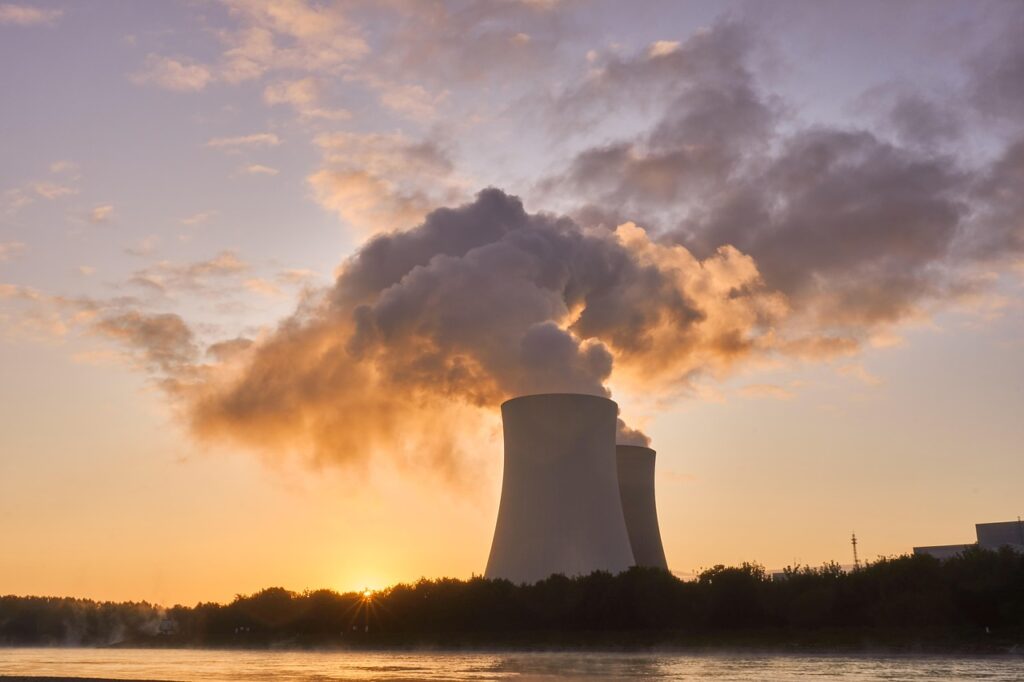

India has successfully commissioned the world’s first hydrogen production plant powered by nuclear thermal energy rather than traditional electricity, marking a significant milestone in global clean energy infrastructure. Located at the Bhabha Atomic Research Centre (BARC) in Mumbai, the pilot facility utilizes high-temperature steam electrolysis to extract hydrogen from water, bypassing the carbon-intensive processes typically associated with industrial hydrogen generation.
The Shift to Thermal Energy
Hydrogen is widely considered the ultimate clean fuel, yet its production has historically been hampered by the ‘electrolysis paradox.’ Most current green hydrogen plants rely on renewable electricity to split water molecules, a process that is often inefficient and costly due to energy conversion losses.
By directly utilizing the heat generated from nuclear reactors, Indian researchers have bypassed the need for intermediate electricity generation. This thermal-to-chemical conversion process operates at higher efficiency rates than conventional electrolysis, effectively using the reactor’s waste heat to drive the chemical reaction required to produce high-purity hydrogen.
Advancing the Hydrogen Economy
The global hydrogen market is projected to reach $1.4 trillion by 2050, according to recent data from the International Energy Agency. However, the industry has struggled to scale due to the high cost of electricity and the intermittency of wind and solar power.
India’s nuclear-integrated approach provides a stable, 24/7 baseload power supply, which is critical for industrial-scale hydrogen production. Experts note that this method could drastically reduce the cost of green hydrogen, making it competitive with fossil fuel-derived ‘grey’ hydrogen, which currently accounts for the vast majority of global production.
Technical and Safety Considerations
The facility employs a sophisticated heat-exchanger system designed to safely transport thermal energy from the reactor core to the electrolysis unit. Strict safety protocols have been implemented to ensure that the hydrogen production process remains isolated from the nuclear core, mitigating risks of contamination or thermal instability.
Dr. Anish Kumar, a lead researcher in nuclear chemical engineering, stated that the integration represents a convergence of two critical clean energy pillars. By repurposing existing nuclear infrastructure, the plant demonstrates a viable pathway to decarbonizing heavy industries like steel manufacturing and shipping, which are notoriously difficult to electrify.
Future Implications for Global Energy
The successful deployment of this plant places India at the forefront of the global movement to integrate nuclear energy into non-electric industrial sectors. International observers are now monitoring the project to determine if this technology can be scaled for commercial reactors worldwide.
As the project transitions from a pilot phase to potential industrial application, the focus will shift toward cost-optimization and the construction of dedicated pipeline infrastructure to transport the hydrogen. Industry analysts expect that if this model proves scalable, it could trigger a paradigm shift in how nations approach the dual challenge of nuclear power utilization and aggressive decarbonization targets.