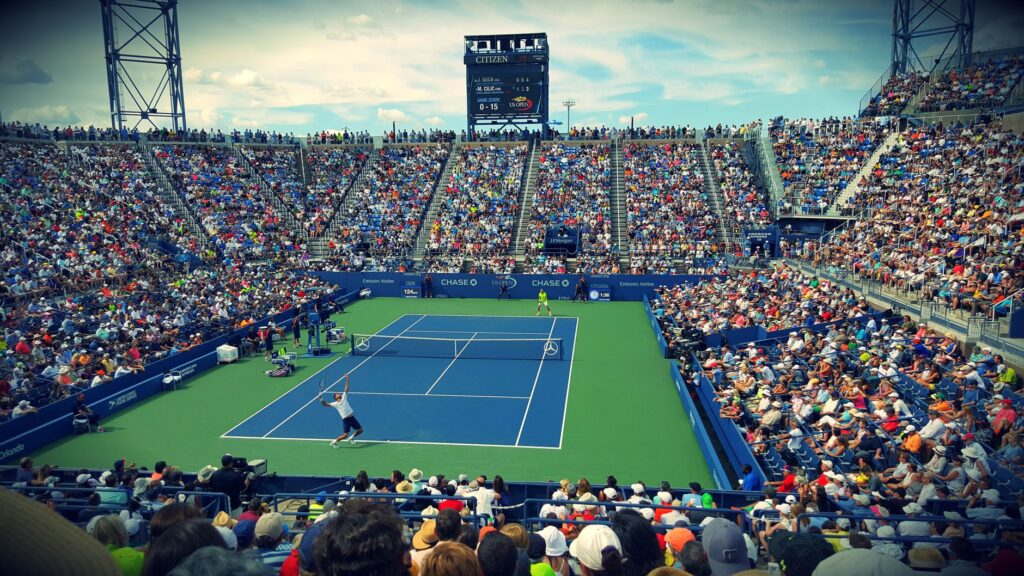

The intersection of social media culture and traditional sports has long been a delicate balance, but recent events at the prestigious US Open have brought this tension to the forefront. Tournament organizers recently extended invitations to roughly one hundred digital content creators and internet personalities in an effort to broaden the demographic reach of the historic tournament. However, this strategy quickly backfired into a widespread controversy as the behavior of these digital personalities began to disrupt active matches and frustrate both seasoned fans and players alike.
Traditional Tennis Etiquette Under Threat
Tennis is historically known for its strict adherence to decorum, quiet respect during active play, and deep appreciation for the intense concentration required by athletes on the court. Unlike sports such as football or basketball, where crowd noise and excitement are constant, tennis relies heavily on a hushed atmosphere during serves and rallies. The arrival of content creators accustomed to broadcasting every moment, creating loud reactions for their cameras, and moving around during ongoing play has deeply disrupted this time-honored environment. Spectators who have attended the tournament for decades voiced immediate concern over the shifting atmosphere, noting that the focus seemed to drift away from world-class athletic competition and toward the pursuit of viral online moments.
Incidents and Disruptions During Key Matches
Throughout the tournament, several matches experienced noticeable delays and interruptions directly linked to influencer activity. Players attempting to maintain their competitive focus found themselves distracted by flashing smartphone lights, sudden outbursts, and creators filming themselves from the stands rather than engaging with the unfolding sport. Security personnel and ushers faced unprecedented challenges in managing crowds where traditional audience members expected silence and order, while digital personalities attempted to capture dynamic content for their followers. These disruptions have reignited discussions among tournament officials about how to accommodate the modern digital landscape without compromising the integrity of the game.
The Broader Sports Marketing Dilemma
Sports organizations globally are under mounting pressure to attract younger demographics who primarily consume media through short-form video platforms and social networks. Inviting prominent influencers is seen as a direct and effective pipeline to millions of potential new fans who might not otherwise tune into a two-week tennis tournament. Yet, the strategy risks alienating the core audience that sustains the sport year-round. Balancing the financial and promotional benefits of digital reach with the preservation of sporting traditions remains a complex challenge for event organizers. As sports entertainment continues to evolve, the lessons learned from this year’s tournament will likely shape how major athletic events manage digital media representation in the future.
Looking Ahead to Future Tournaments
As the tournament draws toward its conclusion, the conversation regarding digital creator involvement shows no sign of fading. Industry analysts and sports marketing experts are closely examining the fallout from these incidents to determine best practices for future sporting events. Recommendations range from establishing designated content creation zones far away from active seating areas to implementing stricter guidelines on device usage during live matches. Ultimately, the goal will be to find a sustainable middle ground that respects the heritage of the sport while acknowledging the undeniable power of modern digital media platforms.