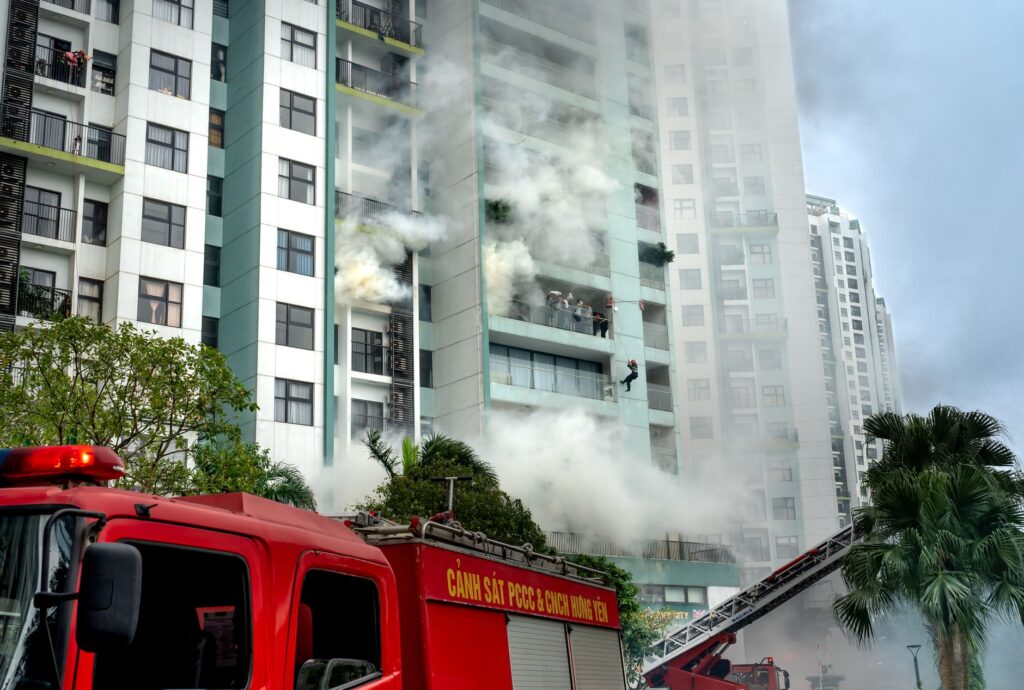

Emergency Response and Safe Evacuation
Hospital personnel in Maharashtra acted swiftly to rescue nine vulnerable newborns following a sudden fire incident within the medical facility. The alarming event unfolded in the neonatal intensive care unit, a specialized ward dedicated to infants requiring high levels of medical attention and constant monitoring.
Quick action by the attending medical staff prevented a major tragedy. Upon detecting smoke originating from an air conditioning unit, personnel immediately initiated emergency protocols to safeguard the infants. All nine newborns were safely transferred away from the affected area to secure zones within the facility.
Understanding Neonatal Unit Safety
Neonatal intensive care units house the most fragile patients in any medical institution. Infants in these specialized zones often rely on advanced life support systems, incubators, and specialized monitoring equipment to survive their earliest days.
When unexpected emergencies such as electrical malfunctions or fires occur, the response time of medical personnel becomes critical. Hospital staff are routinely trained to prioritize the immediate physical removal of infants to prevent smoke inhalation and burn injuries when environmental threats arise.
Equipment Malfunctions in Healthcare Facilities
Electrical systems and climate control units are vital components of modern healthcare infrastructure. However, heavy usage can occasionally lead to technical failures, short circuits, or overheating within cooling systems.
Facility managers across private and public medical centers continually evaluate electrical integrity to minimize such risks. Routine maintenance checks help identify worn wiring or failing components before they can spark hazardous situations inside sensitive hospital wards.
Preventative Measures and Future Protocols
Following the successful evacuation, medical authorities and facility management teams typically review safety compliance measures. Ensuring that smoke detectors, alarm systems, and ventilation controls function correctly remains a top priority for healthcare administrators.
Staff preparedness drills also play a crucial role in managing crises effectively. Training employees to remain calm, follow evacuation hierarchies, and handle delicate medical equipment during an emergency ensures that patient safety remains uncompromised.
The broader medical community continues to emphasize the importance of stringent safety standards in all pediatric and neonatal wards. By maintaining rigorous inspection schedules and upgrading outdated infrastructure, hospitals aim to provide a secure healing environment for every patient.