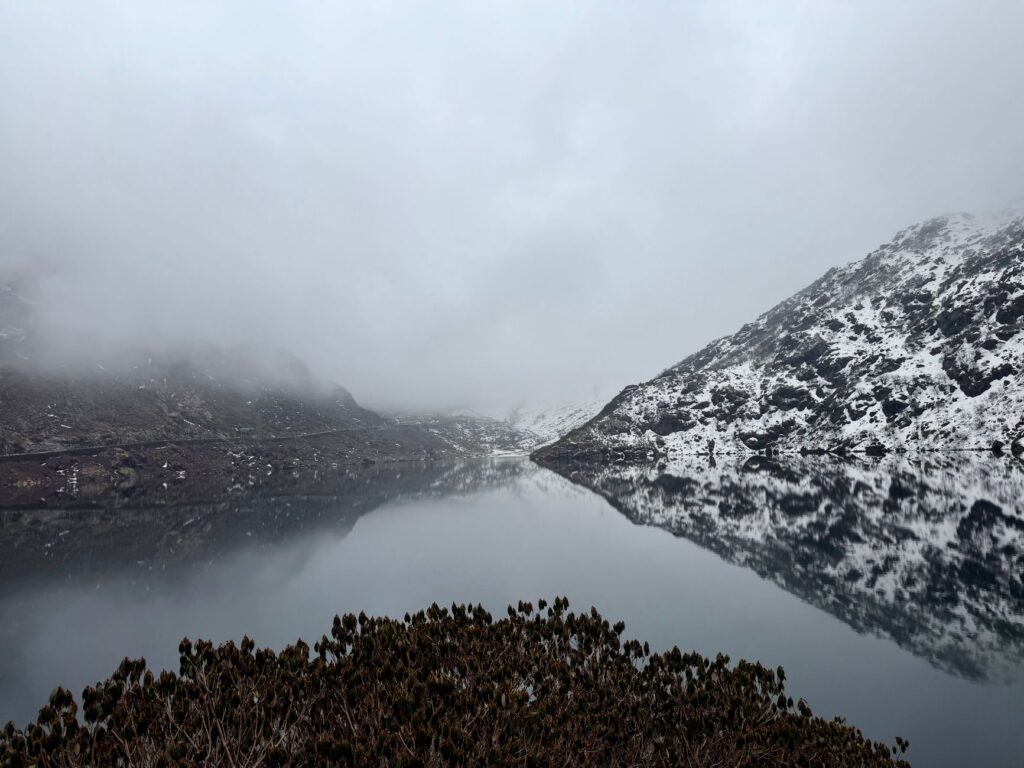

Understanding the Threat of Glacial Lakes in Sikkim
Recent evaluations conducted in the mountainous region of Sikkim have highlighted a severe environmental and safety concern. Authorities and researchers have carefully assessed the stability of various water bodies formed by melting glaciers. The resulting data points to a total of forty water bodies classified under high-hazard categories, requiring immediate attention and ongoing monitoring by disaster management teams.
Context and Regional Implications
This crucial data gains even greater significance when viewed against the backdrop of recent regional events. Destructive flash floods previously struck neighboring areas in Nepal, initiated by a sudden glacial collapse located near the border shared with Tibet. These tragic incidents serve as a stark reminder of the unpredictable and rapid nature of glacial hazards in high-altitude mountain ranges.
The Sixteen Most Vulnerable Water Bodies
Among the forty identified locations, sixteen water bodies have been singled out as carrying the absolute highest risk of an outburst. An outburst occurs when the natural moraine dam holding back the glacial meltwater suddenly breaches, releasing millions of cubic meters of water downstream. This creates devastating torrents that can obliterate infrastructure, communities, and ecosystems situated along river valleys.
Mitigation and Future Preparedness
Addressing this level of environmental risk demands proactive planning and advanced early warning systems. Experts emphasize the importance of continuous satellite monitoring and ground-based sensors to track water levels and structural integrity. By maintaining vigilance, regional planners hope to protect vulnerable populations and mitigate potential disasters before catastrophic flooding can occur.