








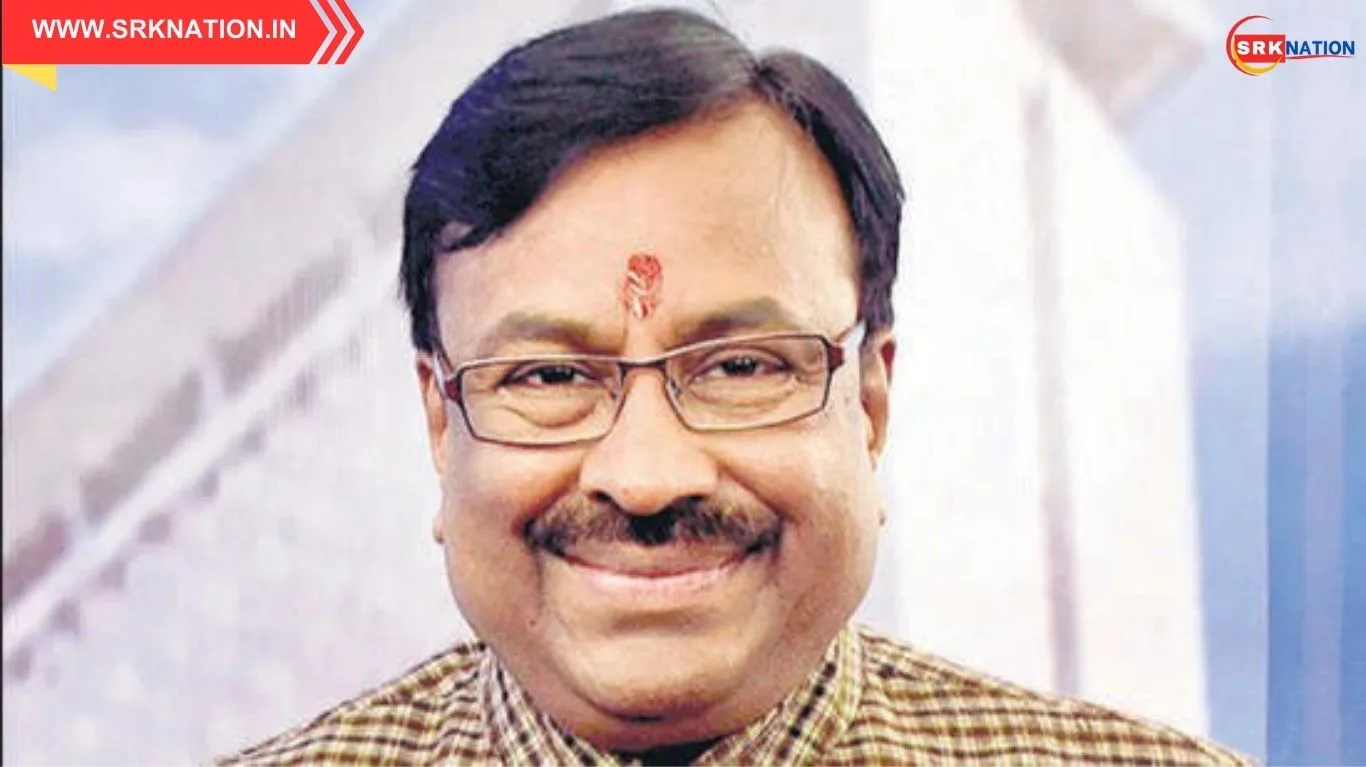
Senior BJP leader and former Maharashtra minister Sudhir Mungantiwar has expressed his displeasure over the party’s defeat in Chandrapur during the recent elections, attributing the setback to what he described as the “inflow into the party.” His remarks have sparked discussions within political circles about the challenges of managing internal dynamics, candidate selection, and grassroots mobilization in a constituency that has historically been a stronghold for the BJP.
Background of Chandrapur’s Political Landscape
- Chandrapur has long been considered a significant constituency in Maharashtra politics, with the BJP enjoying strong support in past elections.
- The recent defeat has raised questions about the party’s organizational strategies and its ability to manage new entrants.
- Mungantiwar, a prominent leader from the region, has voiced concerns that the influx of individuals into the party diluted its core strength and created internal friction.
- His statement reflects broader challenges faced by political parties in balancing expansion with loyalty and discipline.
Key Highlights of Mungantiwar’s Statement
| Indicator | Details |
|---|---|
| Leader | Sudhir Mungantiwar |
| Party | Bharatiya Janata Party (BJP) |
| Constituency | Chandrapur |
| Issue | Defeat in recent polls |
| Reason Cited | “Inflow into party” causing internal issues |
BJP’s Strengths vs Weaknesses in Chandrapur
| Factor | Strengths | Weaknesses | Implication |
|---|---|---|---|
| Historical Support | Strong grassroots base | Declining voter confidence | Need to rebuild trust |
| Leadership | Presence of senior leaders like Mungantiwar | Internal divisions due to new entrants | Weak organizational unity |
| Campaign Strategy | National-level backing | Local disconnect with voters | Requires localized approach |
| Candidate Selection | Experienced leaders | Confusion due to influx of aspirants | Risk of factionalism |
Why This Statement Matters
- Internal Party Dynamics: Highlights the challenges of managing new entrants and balancing loyalty.
- Electoral Strategy: Raises questions about BJP’s approach in constituencies where it has traditionally been strong.
- Public Perception: Voters may view internal conflicts as a sign of weakness.
- Future Planning: Signals the need for introspection and restructuring ahead of upcoming elections.
Chandrapur’s Electoral Context
| Attribute | Details |
|---|---|
| Historical Trend | BJP dominance in past elections |
| Recent Outcome | Defeat despite strong campaign |
| Voter Base | Mix of urban and rural voters |
| Key Issues | Employment, development, local leadership |
| Current Challenge | Rebuilding organizational strength |
Chandrapur’s diverse electorate requires nuanced strategies, and the defeat suggests that national narratives alone may not suffice.
Expert Opinions
- Political Analysts: Suggest that internal divisions weakened BJP’s campaign in Chandrapur.
- Sociologists: Note that voters are increasingly influenced by local issues rather than national rhetoric.
- Opposition Leaders: Argue that BJP’s overconfidence led to its downfall.
- Grassroots Workers: Emphasize the need for stronger local engagement and leadership clarity.
Challenges Ahead for BJP in Chandrapur
- Managing Influx: Ensuring that new entrants align with party ideology and discipline.
- Rebuilding Trust: Addressing voter concerns about development and representation.
- Strengthening Organization: Enhancing grassroots mobilization and unity.
- Countering Opposition: Developing strategies to neutralize rivals’ growing influence.
Opportunities for BJP
- Local Leadership Empowerment: Strengthening leaders with deep roots in Chandrapur.
- Grassroots Engagement: Focusing on community issues to rebuild trust.
- Organizational Discipline: Streamlining candidate selection and managing new entrants.
- Strategic Alliances: Collaborating with local groups to expand voter base.
Broader Context of Maharashtra Politics
- Maharashtra remains a politically volatile state, with shifting alliances and strong regional parties.
- BJP’s performance in constituencies like Chandrapur reflects broader challenges in balancing national and local strategies.
- The party’s ability to manage internal dynamics will be crucial in upcoming state and national elections.
- Mungantiwar’s remarks highlight the importance of introspection within the party.
Public Sentiment
- Supporters expressed disappointment at the defeat, urging stronger local leadership.
- Critics pointed to BJP’s internal divisions as a reason for its loss.
- Social media discussions reflected frustration among grassroots workers.
- Overall sentiment suggested that voters expect more accountability and localized solutions.
Conclusion
The statement by Sudhir Mungantiwar blaming “inflow into the party” for BJP’s defeat in Chandrapur underscores the complexities of managing internal dynamics in modern politics. While expansion brings new opportunities, it also risks diluting organizational discipline and alienating loyal supporters. For BJP, the challenge lies in balancing growth with unity, ensuring that local issues are addressed alongside national narratives. Chandrapur’s outcome serves as a reminder that electoral success depends not only on party strength but also on effective grassroots engagement and organizational cohesion.
Disclaimer
This article is intended for informational purposes only and does not constitute political or policy advice. Party strategies, electoral outcomes, and public sentiments are subject to change based on evolving circumstances. Readers are encouraged to follow official updates for accurate information. The author and publisher are not responsible for any decisions made based on this article.