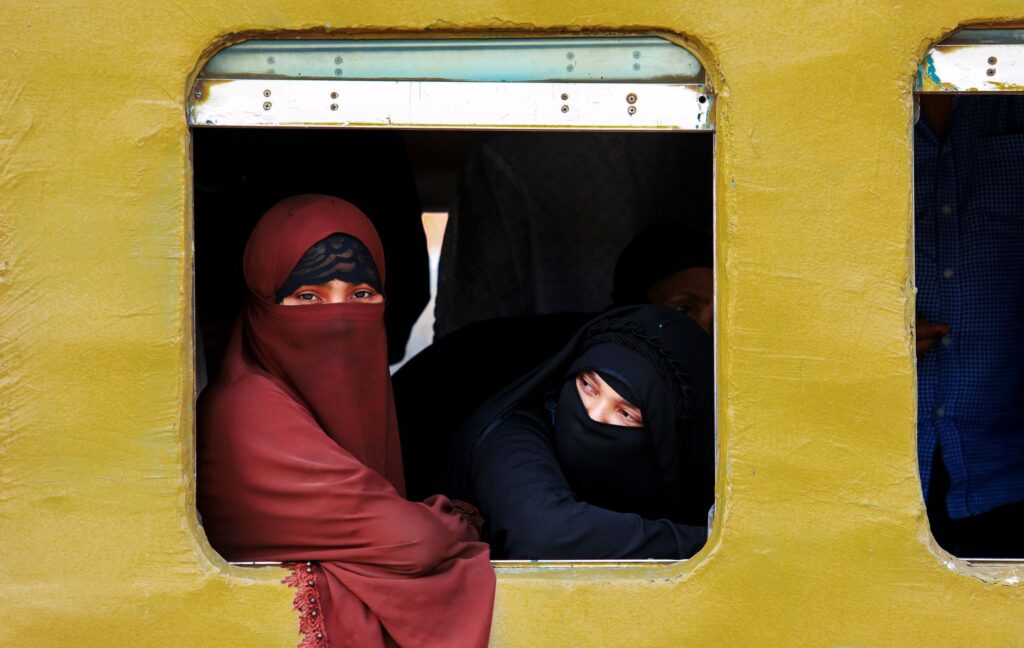

Political tensions have risen sharply following recent statements from senior opposition figures regarding the safety and treatment of marginalized groups across the nation. The ongoing discourse highlights mounting concerns over the social welfare and security of vulnerable populations, particularly females belonging to specific minority and historically disadvantaged communities.
Allegations of Intimidation and Suppression
During a recent public address, prominent political figure Alka Lamba strongly criticized the ruling party and its affiliated supporters. She alleged that systematic intimidation tactics are being actively deployed to silence women who attempt to speak out against prevailing social injustices. According to her statements, these coercive measures prevent victims from seeking justice and sharing their grievances publicly.
The opposition representative emphasized that fear is being utilized as a tool of political and social control. By targeting individuals from vulnerable backgrounds, perpetrators aim to suppress dissent and maintain existing power dynamics without facing accountability from the broader public or legal authorities.
Focus on Dalit and Muslim Communities
The critique specifically centered on the challenges faced by Dalit and Muslim women, who often experience intersecting forms of discrimination based on both gender and identity. Observers note that these groups frequently encounter higher barriers when accessing legal recourse and social support systems.
Political analysts point out that safeguarding the rights of these specific demographics remains a critical test for democratic institutions. The failure to address targeted harassment risks deepening societal divides and eroding trust in the rule of law.
Broader Political Repercussions
These sharp accusations are expected to fuel ongoing debates within the national political landscape regarding women safety and minority rights. As political parties position themselves ahead of upcoming electoral contests, human rights issues and social justice concerns are likely to remain central to public discourse.
Civil society organizations have consistently urged leaders across the political spectrum to move beyond rhetoric and implement tangible reforms. Ensuring the safety of marginalized women requires robust legal enforcement, unbiased investigations, and an environment where victims can report abuses without fear of retaliation.
Conclusion
The ongoing exchange underscores the urgent need for comprehensive policy measures aimed at protecting vulnerable populations. Addressing these deep-seated social challenges demands cooperative efforts from all stakeholders to ensure that justice is accessible to every citizen, regardless of their background.