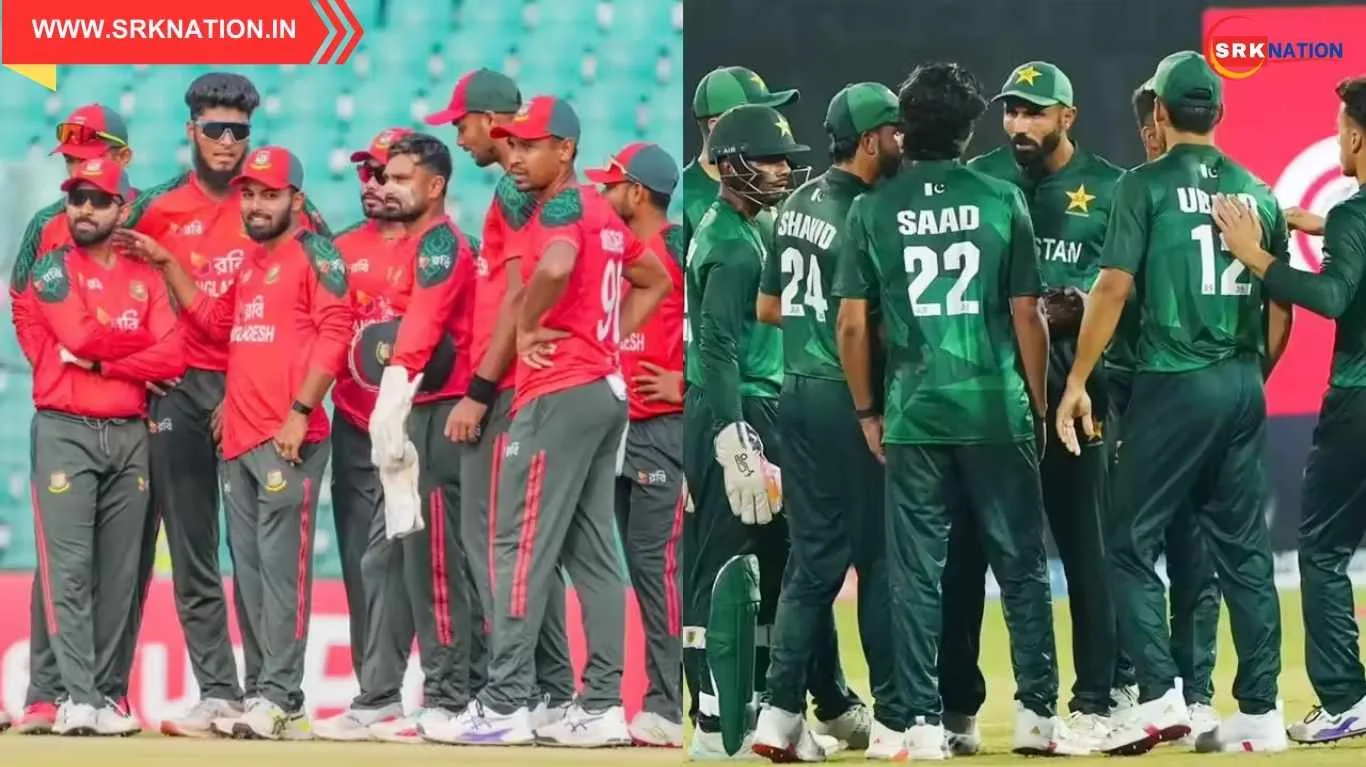





Sri Lanka has officially responded to the ongoing row between the International Cricket Council (ICC) and Bangladesh Cricket Board (BCB) regarding the T20 World Cup 2026 qualification and scheduling dispute. The controversy, which has dominated cricket headlines in recent weeks, centers on Bangladesh’s qualification pathway and alleged inconsistencies in ICC’s decision-making. Sri Lanka’s statement adds a new dimension to the debate, as the island nation seeks clarity and fairness in the global cricketing framework.
Background of the Row
- The ICC recently confirmed Bangladesh’s qualification for the T20 World Cup 2026, sparking criticism from rival boards.
- Questions were raised about whether Bangladesh received preferential treatment in the qualification process.
- Sri Lanka, initially silent, has now expressed concern over transparency and fairness in ICC’s handling of the matter.
- The issue has escalated into a broader debate about governance, accountability, and equity in international cricket.
Key Highlights
| Indicator | Details |
|---|---|
| Tournament | T20 World Cup 2026 |
| Controversy | Bangladesh’s qualification pathway |
| ICC Role | Governing body under scrutiny |
| Sri Lanka’s Position | Calls for transparency and fairness |
| Broader Context | Global cricket governance challenges |
Comparative Analysis: Stakeholders’ Positions
| Stakeholder | Position | Implication |
|---|---|---|
| ICC | Defends Bangladesh’s qualification | Governance credibility questioned |
| Bangladesh Cricket Board | Welcomes decision, denies favoritism | Strengthened position |
| Sri Lanka Cricket | Calls for clarity and fairness | Adds pressure on ICC |
| Other Boards | Express concern over process | Push for reforms |
| Fans & Analysts | Divided opinions | Heightened debate |
Why This Story Matters
- Governance Crisis: Highlights challenges in ICC’s decision-making.
- Regional Rivalries: Adds tension between South Asian cricket boards.
- Fan Sentiment: Sparks debates about fairness and transparency.
- Global Impact: Could influence future qualification structures.
- Future Outlook: May lead to reforms in ICC governance.
Sri Lanka’s Perspective
- Sri Lanka Cricket emphasized the need for clear communication and transparency from ICC.
- Officials stated that fairness must be upheld to maintain credibility in global tournaments.
- The board expressed solidarity with other nations seeking clarity on qualification rules.
Expert Opinions
- Cricket Analysts: Note that ICC’s credibility is at stake if favoritism is perceived.
- Former Players: Stress the importance of fair play and equal opportunity.
- Critics: Argue that ICC must overhaul its governance structures.
- Supporters of ICC: Claim decisions are based on merit and established pathways.
Challenges Ahead
- ICC Credibility: Restoring trust among member boards.
- Regional Tensions: Managing rivalries between South Asian nations.
- Fan Perception: Addressing concerns about fairness.
- Policy Reform: Revisiting qualification structures.
- Tournament Integrity: Ensuring smooth conduct of T20 World Cup 2026.
Opportunities
- Governance Reform: Strengthening ICC’s transparency and accountability.
- Regional Cooperation: Building trust among cricket boards.
- Fan Engagement: Using debates to improve communication with fans.
- Policy Innovation: Creating clearer qualification pathways.
- Global Credibility: Reinforcing ICC’s role as a fair governing body.
Broader Context
- Cricket governance has faced criticism in recent years over scheduling and qualification decisions.
- The T20 World Cup 2026 controversy reflects broader challenges in balancing commercial interests with fairness.
- Sri Lanka’s intervention adds weight to calls for reform and transparency.
- The issue underscores the importance of trust and credibility in global sports governance.
Sectoral Breakdown of Impact
| Sector | Impact | Strategic Importance |
|---|---|---|
| Governance | ICC credibility questioned | Policy reform |
| Regional Cricket | Heightened tensions | Cooperation needed |
| Fans | Divided opinions | Engagement challenge |
| Media | Intense coverage | Narrative shaping |
| Global Sport | Integrity of tournaments | Entertainment value |
Media Coverage
- Headlines highlight Sri Lanka’s intervention in the ICC-Bangladesh row.
- Analysts debate the implications for ICC governance.
- Coverage emphasizes regional tensions and fan reactions.
- The story resonates across sports, governance, and fan communities.
Conclusion
Sri Lanka’s decision to break its silence on the ICC-Bangladesh T20 World Cup 2026 row marks a turning point in the controversy. By calling for transparency and fairness, Sri Lanka has added pressure on ICC to clarify its decisions and restore credibility. The row underscores the challenges of global cricket governance, where fairness, accountability, and trust remain paramount.
Disclaimer
This article is intended for informational purposes only and does not constitute legal or policy advice. Statements, petitions, and governance outcomes are subject to change based on evolving circumstances. Readers are encouraged to follow official updates for accurate information. The author and publisher are not responsible for any decisions made based on this article.