








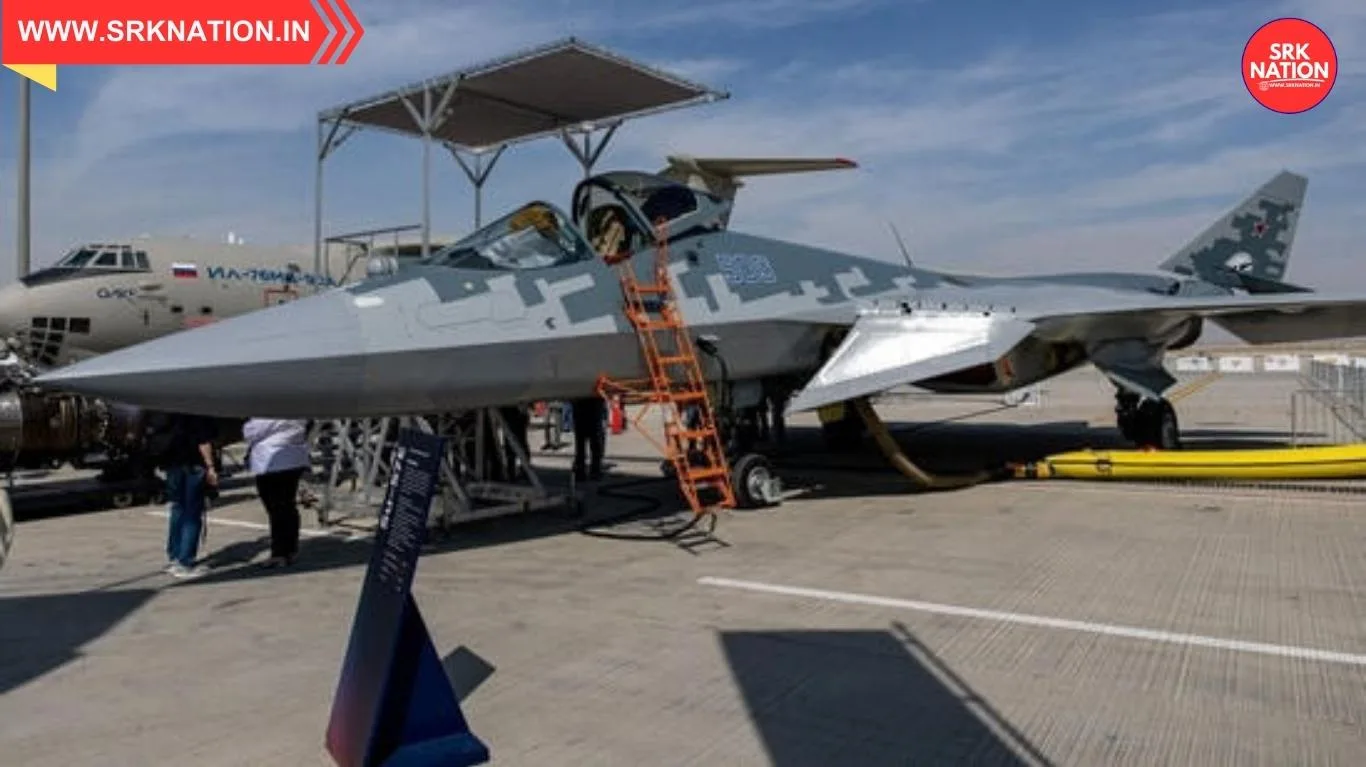
Russia and India are reportedly engaged in discussions over the joint production of the Su-57 fifth-generation stealth fighter jet, a move that could significantly reshape defense cooperation between the two nations. The Su-57, Russia’s most advanced fighter aircraft, is designed to rival Western jets like the F-35 and F-22, and its potential co-production with India signals a deepening of strategic ties in defense technology.
Background of the Talks
- The Su-57 is Russia’s flagship fifth-generation fighter, featuring stealth capabilities, advanced avionics, and supersonic performance.
- India has long sought to modernize its air force with next-generation aircraft, especially after delays in indigenous projects like the Advanced Medium Combat Aircraft (AMCA).
- Reports suggest that discussions include technology transfer, joint manufacturing, and possible customization to meet Indian Air Force requirements.
- The move comes amid India’s push for self-reliance in defense production under the “Make in India” initiative.
Key Highlights
| Indicator | Details |
|---|---|
| Aircraft in Focus | Su-57 fifth-generation stealth fighter |
| Countries Involved | Russia, India |
| Strategic Goal | Joint production, technology transfer |
| Indian Context | Modernization of Air Force, Make in India |
| Global Context | Competition with Western fighter jets |
Russia vs India Interests in Su-57
| Factor | Russia’s Interest | India’s Interest | Implication |
|---|---|---|---|
| Technology | Export advanced fighter | Acquire fifth-gen tech | Mutual benefit |
| Production | Expand global market | Local manufacturing | Industrial growth |
| Defense Strategy | Strengthen ties with India | Modernize Air Force | Strategic alignment |
| Global Positioning | Counter Western jets | Reduce dependence on imports | Geopolitical balance |
| Long-Term Outlook | Secure partner | Build indigenous capability | Sustainable cooperation |
Why This Story Matters
- Defense Modernization: India’s Air Force seeks advanced fighters to replace aging fleets.
- Strategic Partnership: Strengthens Russia-India defense ties amid global geopolitical shifts.
- Technology Transfer: Offers India access to cutting-edge stealth and avionics systems.
- Global Competition: Positions India alongside nations operating fifth-generation jets.
- Future Outlook: Could reshape India’s defense industry and global military balance.
Russia’s Perspective
- Russia aims to expand the Su-57’s global footprint by partnering with India.
- Joint production would secure a long-term buyer and strengthen defense exports.
- Moscow sees India as a reliable partner amid Western sanctions and restrictions.
India’s Perspective
- India views the Su-57 as a potential solution to its fighter jet gap.
- Joint production aligns with the “Make in India” initiative, boosting domestic defense manufacturing.
- Access to fifth-generation technology could accelerate India’s indigenous AMCA project.
Expert Opinions
- Defense Analysts: Note that joint production could be a game-changer for India’s air power.
- Military Strategists: Highlight the importance of balancing ties with Russia and Western suppliers.
- Critics: Warn of potential delays and cost overruns, citing past experiences.
- Supporters: Believe the partnership will strengthen India’s defense autonomy.
Challenges Ahead
- Cost: Fifth-generation fighters are expensive to produce and maintain.
- Technology Transfer: Ensuring genuine transfer of advanced systems.
- Geopolitical Risks: Balancing relations with Russia and Western allies.
- Operational Integration: Adapting Su-57 to Indian Air Force requirements.
- Timeline: Managing production schedules and delivery deadlines.
Opportunities
- Industrial Growth: Boosting India’s defense manufacturing sector.
- Strategic Autonomy: Reducing dependence on Western imports.
- Global Positioning: Enhancing India’s role in global defense markets.
- Innovation: Accelerating indigenous fighter jet development.
- Military Strength: Strengthening India’s air defense capabilities.
Broader Context
- India has historically relied on Russia for defense equipment, including the Su-30MKI and S-400 systems.
- The Su-57 partnership reflects continuity in defense cooperation despite India’s diversification of suppliers.
- Globally, fifth-generation fighters are seen as critical for modern air forces, with the US, China, and Russia leading the race.
- India’s involvement would mark a significant step in bridging its technological gap.
Sectoral Breakdown of Impact
| Sector | Impact | Strategic Importance |
|---|---|---|
| Defense Industry | Boost to manufacturing | Self-reliance |
| Military Strategy | Enhanced air power | National security |
| Geopolitics | Strengthened Russia ties | Global balance |
| Technology | Access to stealth systems | Innovation |
| Economy | Investment in defense | Industrial growth |
Media Coverage
- Headlines highlight Russia-India talks on Su-57 joint production.
- Analysts debate feasibility and strategic implications.
- Coverage emphasizes India’s push for self-reliance in defense.
- The story resonates across defense, geopolitics, and economic platforms.
Conclusion
The reported Russia-India talks on joint production of the Su-57 fighter jet mark a pivotal moment in defense cooperation. For India, the partnership offers access to advanced technology and aligns with its self-reliance goals. For Russia, it secures a strategic partner and expands the Su-57’s global reach. While challenges remain in cost, technology transfer, and geopolitics, the potential benefits could reshape India’s defense industry and strengthen its military capabilities for decades to come.
Disclaimer
This article is intended for informational purposes only and does not constitute defense or policy advice. Negotiations, production timelines, and strategic outcomes are subject to change based on evolving circumstances. Readers are encouraged to follow official updates for accurate information. The author and publisher are not responsible for any decisions made based on this article.