
A Botanical Relic in the Andes
In the rugged terrain of the southern Andes, the Araucaria araucana, commonly known as the monkey puzzle tree, stands as a living testament to Earth’s botanical history. Long considered a national monument in Chile, these ancient conifers, which can live for over 2,000 years, are currently facing unprecedented threats from climate change, habitat loss, and shifting environmental conditions.
Understanding the Araucaria
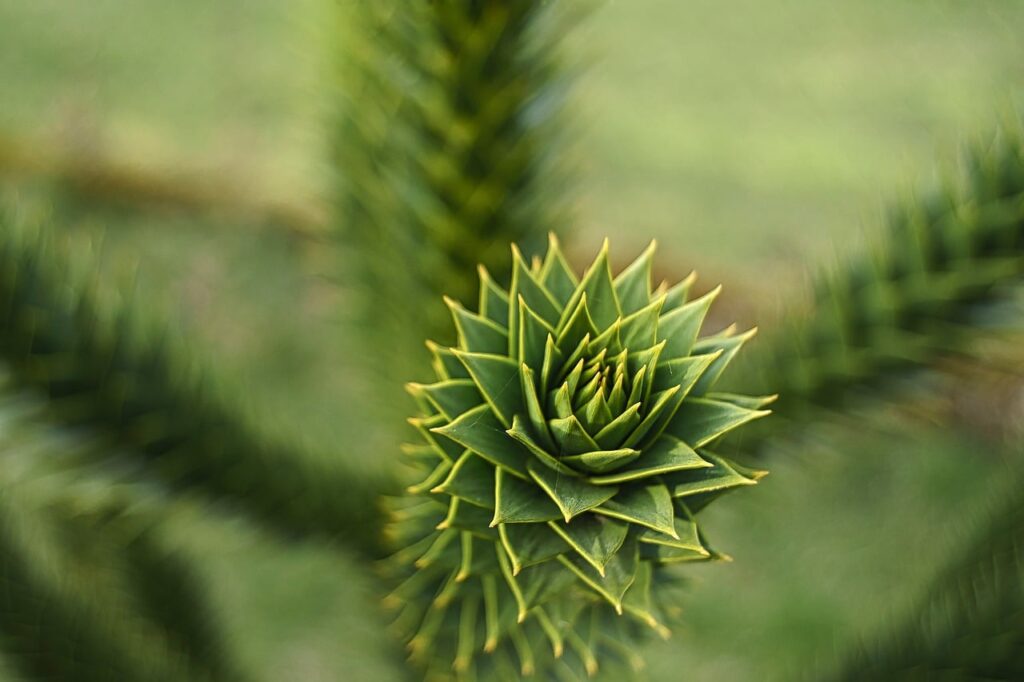
The monkey puzzle tree is a relic of the Mesozoic era, often referred to as a “living fossil.” It is characterized by its distinct, sharp, scale-like leaves and a prehistoric appearance that has remained largely unchanged for millions of years. Historically, the tree has served as a vital cultural and spiritual anchor for the Mapuche people, who have gathered its nutritious seeds, known as piñones, for sustenance for centuries.
Ecological Vulnerability and Climate Pressure
Despite its remarkable longevity, the species is classified as endangered by the International Union for Conservation of Nature (IUCN). Recent research indicates that the tree’s recruitment rate—the ability of young saplings to survive—has slowed significantly in its native range. Rising temperatures and altered precipitation patterns in the Chilean Andes have created drier conditions, making it difficult for the species to colonize new areas.
The Impact of Human Activity
Beyond climate change, human intervention remains a primary concern for foresters and conservationists. Forest fires, often exacerbated by the encroachment of invasive species and poor land management, have decimated thousands of hectares of Araucaria habitat in the last decade. Furthermore, the commercial over-harvesting of seeds, which are highly sought after for culinary purposes, threatens the natural regeneration cycle of the forests.
Expert Perspectives on Conservation
Botanists and climate scientists emphasize that the survival of the species depends on immediate habitat protection. Dr. Elena Fuentes, a specialist in Andean ecology, notes that the slow growth rate of the Araucaria makes it particularly sensitive to sudden environmental shifts. “Because these trees take decades to reach maturity, they cannot adapt to the rapid pace of current climate warming,” Fuentes states. Data from the Chilean Forestry Service (CONAF) underscores this risk, showing that fire-damaged zones struggle to recover without active reforestation efforts.
Future Outlook and Industry Implications
The preservation of the monkey puzzle tree has become a litmus test for regional conservation policies. As the Chilean government faces pressure to balance economic development with environmental stewardship, the focus is shifting toward establishing protected corridors that allow for the species’ natural migration to higher, cooler altitudes. Observers should monitor upcoming legislative proposals regarding the regulation of seed harvesting and stricter enforcement of fire prevention protocols in protected national parks. The ability of this ancient giant to endure into the next millennium will largely depend on the success of these ongoing restoration initiatives and the global commitment to mitigating the environmental pressures affecting the Andean biome.