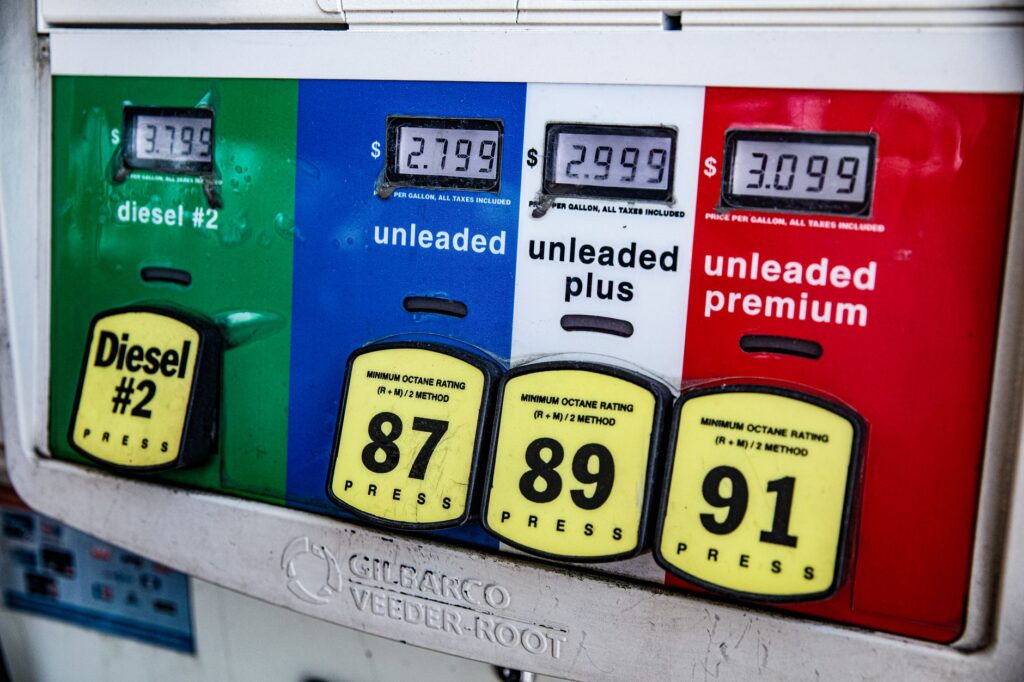

The United States recently experienced unprecedented spikes in diesel fuel costs, a development that is sending shockwaves through the entire domestic economy. Fuel expenses have surged to historic levels, creating severe budgetary pressures for shipping companies, freight haulers, and the countless enterprises that rely on heavy-duty vehicles to move merchandise. This sudden financial burden is fundamentally altering how goods travel from production facilities to retail store shelves.
Geopolitical Tensions Drive Fuel Spikes
The primary catalyst behind these soaring energy figures is the prolonged military conflict involving Iran, which has now stretched past the six-month mark. Global crude supplies and refining capacities have faced continuous disruptions as a result of these hostilities. Because diesel is the absolute lifeblood of heavy commercial transport, agricultural machinery, and industrial logistics, any tightness in global petroleum markets immediately translates into painful price surges at the pump for commercial fleet operators.
Escalating Freight and Logistics Expenses
For the logistics sector, the rapid escalation in operational expenditures has become an immediate crisis. Transport companies operate on notoriously thin margins, meaning that sudden and dramatic increases in fuel outlays cannot simply be absorbed without threatening their business viability. Fleet managers are forced to recalculate shipping routes, consolidate loads, and implement aggressive efficiency measures just to maintain basic route operations amidst the ongoing volatility.
Passing Costs to the Consumer
As transportation companies confront these unsustainable operating expenses, they have increasingly turned to fuel surcharges to stay afloat. These extra fees are added directly to the cost of moving freight across the country. Consequently, wholesalers, distributors, and retailers are absorbing higher delivery invoices and passing those expenses down to everyday shoppers. Everything from fresh groceries and household essentials to apparel and construction materials now carries a heavier delivery price tag.
Economic Outlook and Future Price Hikes
Economic analysts warn that if energy markets remain unstable and geopolitical tensions persist, shoppers should brace for even more pronounced inflation in the near future. Retail prices across a broad spectrum of consumer goods typically reflect transportation lag times, meaning the full impact of these record fuel costs may take several weeks to materialize fully. Businesses and consumers alike are closely monitoring energy markets, hoping for a swift diplomatic resolution that can bring relief to strained supply chains and stabilize domestic shipping expenses.