





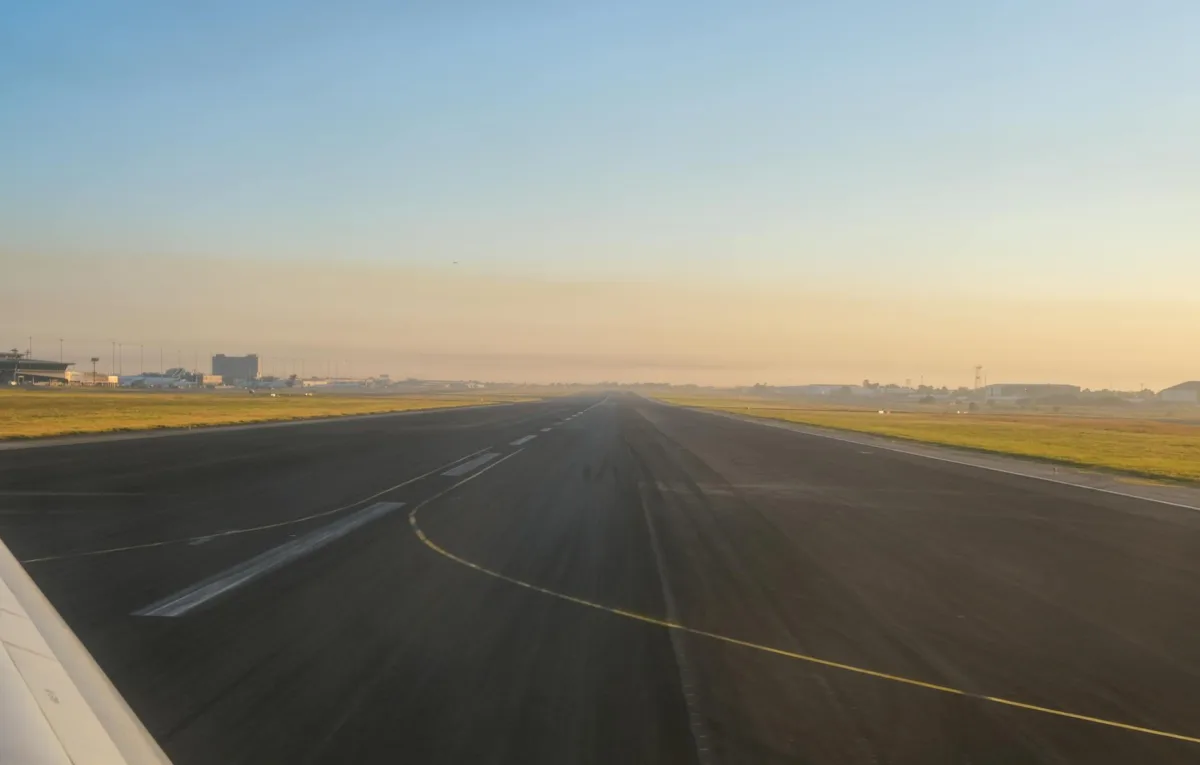
An IndiGo flight bound for Raipur was forced to abort its take-off at Lucknow’s Chaudhary Charan Singh International Airport on Tuesday morning after a troop of monkeys entered the active runway. The incident, involving flight 6E 290 carrying approximately 150 passengers, led to a significant delay as the aircraft had to return to the bay for safety checks and refuelling, ultimately departing hours later.
Airport Wildlife Management Under Scrutiny
The unexpected runway incursion by monkeys highlights ongoing challenges with wildlife management at Indian airports, particularly those located near or within forested areas. Lucknow airport, situated close to urban fringes and green belts, has historically contended with animal-related disruptions.
This particular incident occurred shortly after 7:00 AM as the Airbus A320 aircraft was accelerating for departure. The pilots, adhering to safety protocols, immediately initiated a rejected take-off procedure upon spotting the animals on the tarmac.
Following the aborted take-off, the aircraft taxied back to the terminal. Airport authorities and airline staff then worked to ensure the runway was clear of any further obstructions. The Directorate General of Civil Aviation (DGCA) mandates strict procedures for such events to prevent potential bird or animal strikes, which can be catastrophic at high speeds.
Passenger Experience and Operational Impact
Passengers aboard the IndiGo flight faced an extended wait. After returning to the bay, the aircraft underwent mandatory checks. Although no physical contact with the animals occurred, the event necessitated a thorough inspection and additional time for the flight crew to comply with operational regulations.
The delay also had a ripple effect on subsequent flight schedules and passenger connections. Passengers expressed frustration on social media platforms, sharing accounts of the unexpected halt and the subsequent waiting period.
Sources at the airport indicated that such incidents, while not entirely uncommon in certain regions, are a persistent operational headache. The refuelling was also required due to the extended taxiing and time spent on the tarmac after the rejected take-off, further adding to the delay.
Broader Implications for Aviation Safety
The Lucknow incident brings renewed attention to the critical issue of wildlife hazard management at airports worldwide, and particularly in India. A study by the Airports Authority of India (AAI) has previously identified bird and animal strikes as a significant threat to aviation safety.
According to DGCA data, hundreds of bird or animal hit incidents are reported annually at Indian airports. While most result in minor damage, a few have led to serious accidents. The presence of animals on runways necessitates immediate action, often leading to flight delays and diversions.
Airport operators employ various strategies to mitigate these risks, including habitat management around the perimeter, noise deterrents, and dedicated wildlife control teams. However, the effectiveness of these measures can be challenged by the adaptability of certain species and the proximity of airports to natural habitats.
Dr. Arvind Sharma, an aviation safety consultant, commented, “Runway incursions by wildlife, whether birds or larger animals like monkeys or cattle, are a serious concern. The rejected take-off is the correct procedure, but it underscores the need for continuous improvement in wildlife management strategies at airports. This includes not only physical barriers but also proactive monitoring and rapid response mechanisms.”
The International Civil Aviation Organization (ICAO) also emphasizes the importance of robust wildlife hazard management programs. These programs typically involve risk assessment, management strategies, and regular reviews to adapt to changing environmental conditions and wildlife behaviour.
Looking Ahead: Enhanced Measures and Technology
The incident serves as a reminder for airports like Lucknow to continually reassess and enhance their wildlife control measures. This could involve investing in advanced monitoring technologies, such as thermal imaging cameras or acoustic deterrents, which can detect animals from a distance and deter them from encroaching on operational areas.
Aviation authorities and airport operators are constantly exploring innovative solutions. These range from drone-based deterrents to more integrated land-use planning that creates buffer zones around airports. The goal is to minimize the chances of such disruptive and potentially dangerous encounters.
The long-term implications point towards a greater integration of technology and ecological understanding in airport operations. As air traffic continues to grow, ensuring the safety and efficiency of operations will increasingly depend on effectively managing the interface between human infrastructure and the natural environment.
What to watch next will be whether Lucknow airport implements any new or intensified measures to prevent future runway incursions by wildlife. The continued vigilance of flight crews and air traffic controllers remains paramount in ensuring safety during these unpredictable events.