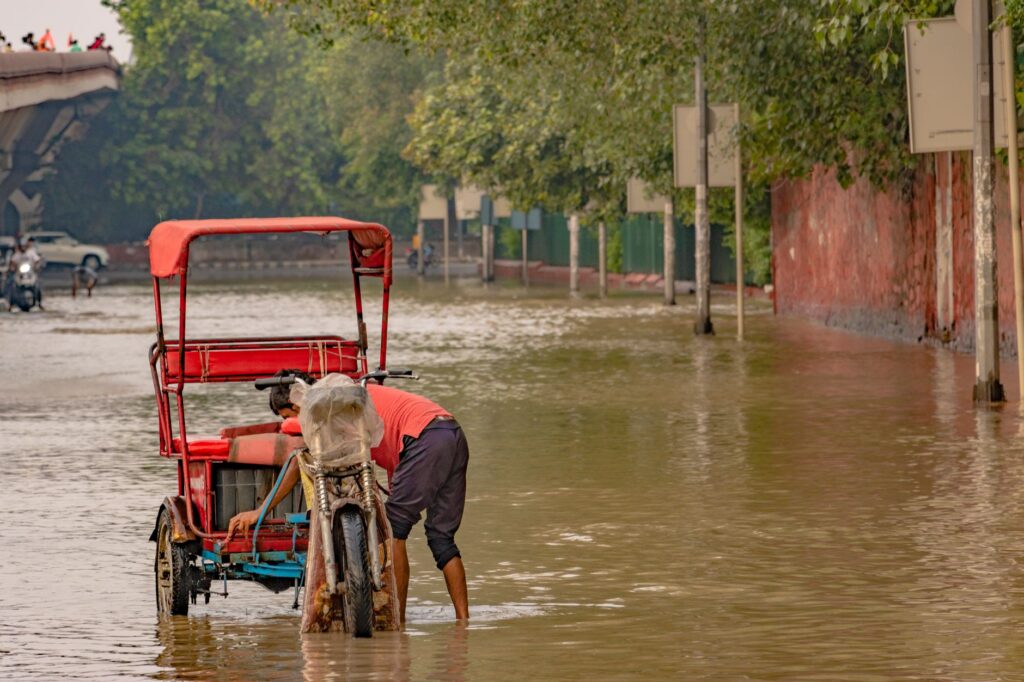

Heavy downpours in the national capital recently created significant disruptions, leading to severe waterlogging across multiple thoroughfares and within the premises of the Indira Gandhi International Airport. The adverse weather conditions severely impacted daily commutes and caused considerable inconvenience for travelers navigating the aviation hub.
Introduction to the Crisis
Inclement weather is not a new phenomenon for metropolitan areas, yet the recurring failure of drainage infrastructure continues to draw public frustration. As torrential rains lashed the city, major transportation arteries quickly turned into pools of stagnant water. Commuters faced massive traffic snarls, while passengers arriving at and departing from the primary airport terminal struggled to wade through flooded pathways.
Political Backlash and Sarcastic Remarks
The waterlogging emergency swiftly escalated into a political showdown. Opposition leaders seized the opportunity to launch blistering attacks against the central administration. Critics utilized social media and public statements to draw sarcastic comparisons, likening the inundated airport zones and city roads to coastal beaches or the famous canals of Venice. These remarks highlighted the apparent inadequacy of urban planning and emergency response systems.
Economic Digs and Broader Governance Concerns
Beyond visual satire, political adversaries also used the crisis to target broader economic policies. Remarks aimed at the national gross domestic product growth metrics were interwoven with criticisms of municipal mismanagement. The underlying message from political opponents suggested that grand economic claims ring hollow when basic civic infrastructure fails to handle seasonal precipitation.
Infrastructure Preparedness in Question
Experts and citizens alike have frequently questioned the resilience of urban development projects in the capital region. Despite repeated assurances from governing authorities regarding pre-monsoon desilting and drainage upgrades, major precipitation events routinely expose systemic vulnerabilities. The recent flooding at the aviation hub serves as a stark reminder of the urgent need for comprehensive infrastructural overhauls.
Conclusion
As cleanup operations conclude and water levels recede, the pressure remains on administrative bodies to deliver lasting solutions. The intersection of adverse weather, public distress, and sharp political maneuvering ensures that urban infrastructure will stay at the forefront of regional debates.