
Understanding the Post-Flood Crisis in Nepal
Natural disasters often bring immediate devastation through rushing waters and collapsing structures, but the secondary dangers that follow can prove just as perilous. Following severe flooding in Nepal, individuals who managed to escape the rushing torrents now face an entirely different kind of threat. While humanitarian aid brings essential provisions to temporary shelters, the safety of these vital supplies has become a major concern for authorities and displaced residents alike.
The Threat of Contamination in Relief Camps
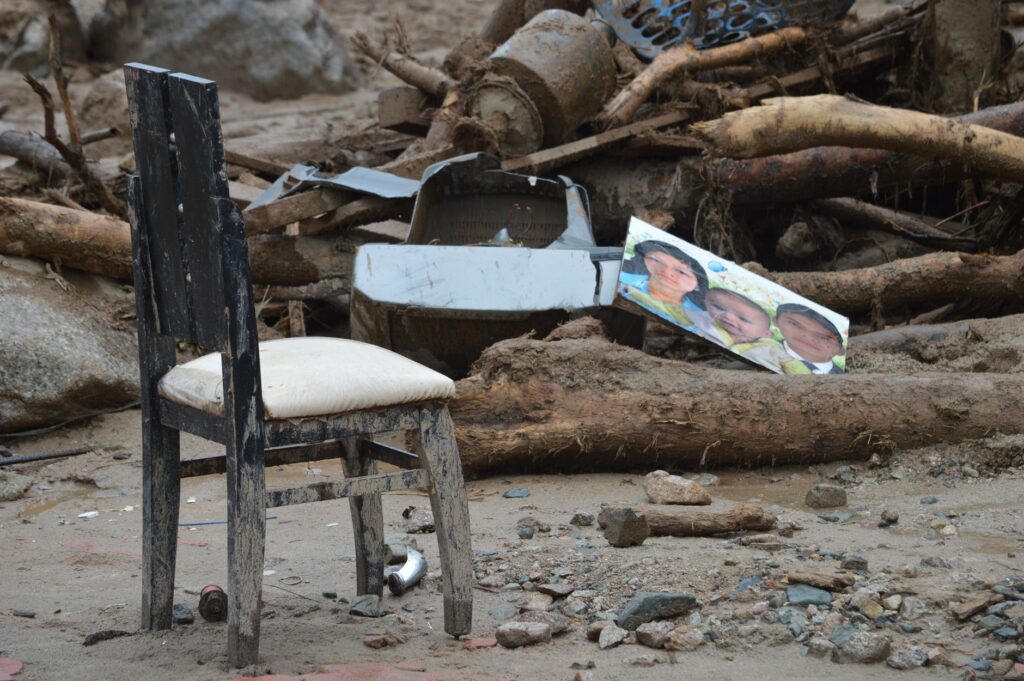
Temporary relief camps are frequently established close to disaster zones, placing them directly adjacent to heavy debris and ruined infrastructure. In the wake of the recent floods in Nepal, government officials have released urgent advisories warning that provisions stored and distributed in these areas require extreme vigilance. The presence of decomposing organic matter, widespread debris, and heavy swarms of insects in the immediate environment creates an alarming vector for contamination.
Government Warnings and Public Health Advisory
The local administration has stepped forward to urge extreme caution among displaced populations and aid workers. Consuming provisions without proper inspection or hygiene measures poses significant health risks. With human remains and animal carcasses trapped within the surrounding piles of rubble, airborne and insect-borne vectors increase the likelihood of widespread foodborne illnesses within overcrowded camps.
Navigating the Dilemma of Survival
For those living in relief shelters, the current situation presents a heartbreaking dilemma. The very provisions intended to sustain life and aid recovery simultaneously carry potential hazards that could trigger a public health emergency. Aid organizations and health officials are working diligently to implement stricter sanitation protocols, inspect incoming supplies, and educate camp residents on safe consumption practices to mitigate these risks effectively.