
Regulatory Oversight In The Automotive Industry
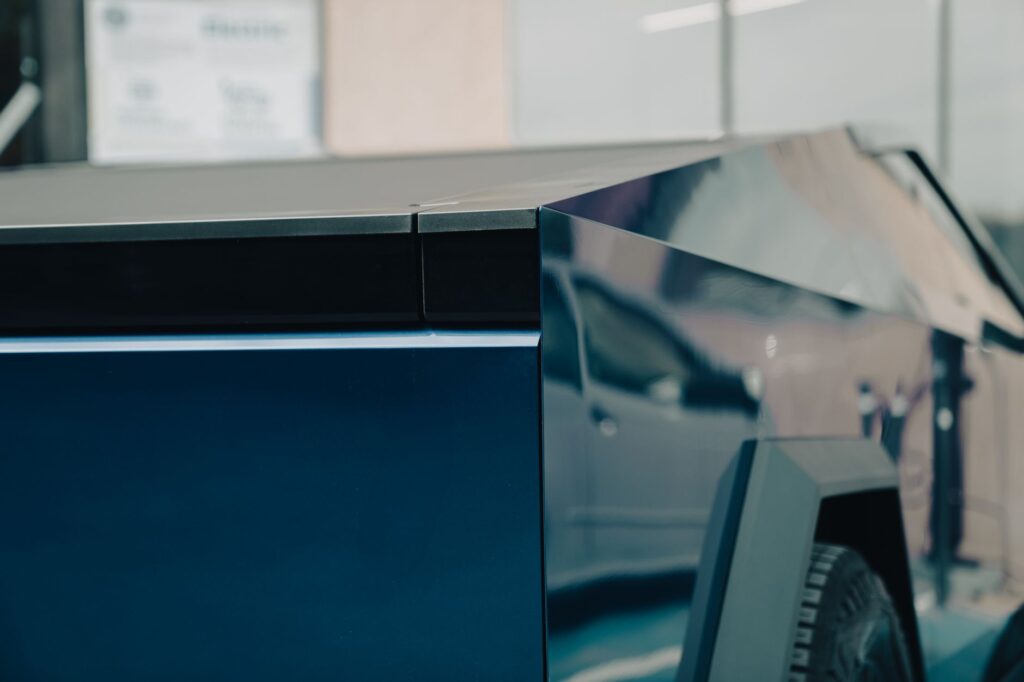
The National Highway Traffic Safety Administration has announced a formal review involving Tesla and its distinctive electric pickup truck. Federal safety officials are turning their attention toward the specific engineering data and regulatory processes that the automaker utilized to certify the vehicle for public roads. This administrative step highlights the rigorous scrutiny that novel automotive designs face from federal oversight bodies.
Understanding The Certification Process
When a major automotive manufacturer introduces a new vehicle to the consumer market, it must meet a comprehensive suite of federal motor vehicle safety standards. Manufacturers typically rely on extensive internal testing, engineering analyses, and technical documentation to verify that their products comply with these government mandates before commercial distribution begins. The current regulatory examination focuses on how these compliance determinations were executed and documented for the battery-powered pickup truck.
Implications For The Electric Vehicle Sector
Federal inquiries of this nature serve a vital function in maintaining transparency and consumer confidence across the transportation landscape. As automotive technology continues to advance rapidly with the introduction of unconventional structural designs and modern materials, regulatory agencies must adapt their oversight methods. The findings from this federal assessment could influence future compliance protocols for upcoming electric vehicle releases across the entire automotive manufacturing industry.