
The Escalating Aerial Campaign
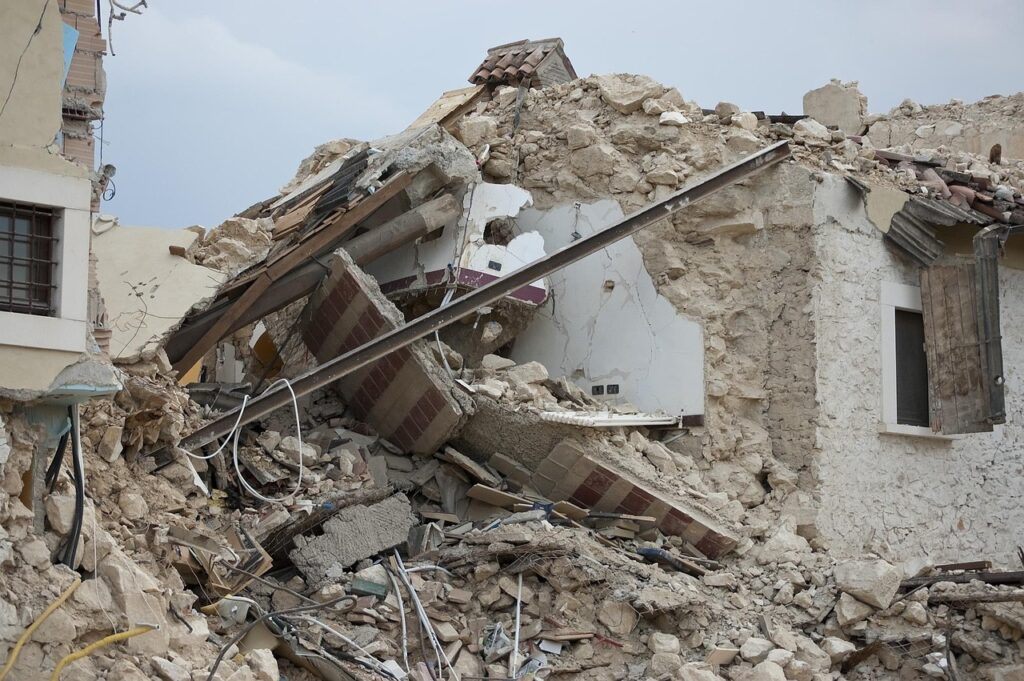
A nine-storey residential apartment building in Kyiv suffered a partial collapse early this morning following a coordinated missile and drone strike launched by Russian forces. Emergency services are currently on-site working to rescue residents trapped within the rubble, as multiple fires continue to burn across the capital city.
The attack marks a significant intensification in the ongoing conflict, occurring just hours after Ukraine conducted a series of long-range strikes against strategic targets inside Russian territory. As the frequency of these retaliatory exchanges increases, humanitarian organizations report that total casualties since the conflict began have now surpassed two million individuals.
Context of the Conflict
This latest assault follows a period of heightened strategic posturing from both Moscow and Kyiv. Russia has consistently signaled its opposition to the continued provision of Western military hardware, specifically targeting US-supplied aid packages as a primary driver of the prolonged hostilities.
Military analysts note that the recent shift toward deep-strike capabilities by both sides represents a dangerous escalation. By targeting urban infrastructure and logistics hubs, combatants are increasingly blurring the lines between military objectives and civilian population centers, exacerbating an already severe humanitarian crisis.
Tactical Shifts and Strategic Risks
The use of combined drone and missile swarms suggests a tactical effort by Russian forces to overwhelm existing air defense systems protecting the Ukrainian capital. Defense experts observe that while Ukrainian interceptors maintain a high success rate, the sheer volume of incoming projectiles inevitably leads to debris damage and structural failures in densely populated urban environments.
Simultaneously, Ukraine’s focus on long-range strikes is viewed as an attempt to disrupt Russian supply lines and weaken the Kremlin’s domestic stability. According to data provided by recent conflict monitoring reports, the intensity of these strikes has reached levels not seen since the initial months of the full-scale invasion.
Broader Industry and Geopolitical Implications
For the international community, the destruction of civilian housing highlights the mounting cost of the stalemate. Global supply chains, already strained by energy instability resulting from the war, face further volatility as infrastructure damage continues to mount in Eastern Europe.
As the conflict enters this more aggressive phase, the pressure on international diplomatic channels to secure a ceasefire or humanitarian corridor is intensifying. However, with both sides doubling down on their respective offensive strategies, the likelihood of a near-term resolution appears increasingly remote.
Monitoring the Frontline
Observers are now tracking the response from Western allies, specifically regarding the potential for increased air defense support for Kyiv. The coming weeks will be critical in determining whether the current escalation leads to a wider regional conflict or if tactical exhaustion eventually forces a shift toward negotiations. Markets and humanitarian agencies alike remain on high alert for further disruptions to energy grids and critical infrastructure as the winter season approaches.