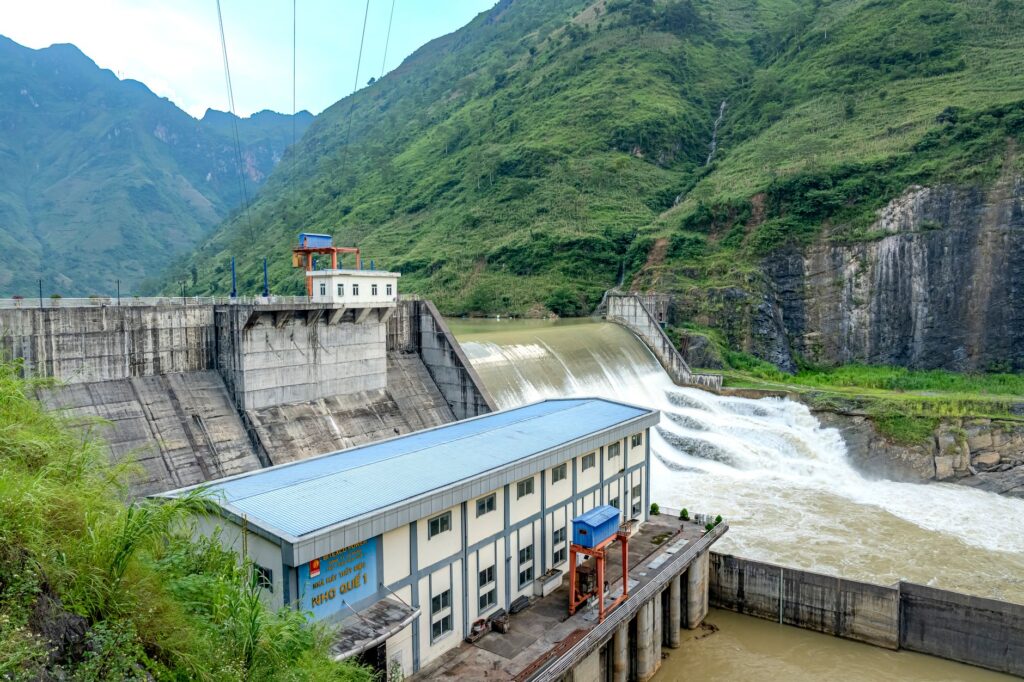

The Fragile State of Mountain Energy Systems
Recent severe weather events have once again brought to light the precarious nature of energy infrastructure in mountainous regions. When catastrophic flooding struck the region recently, the impact on critical power generation facilities was immediate and severe. More than ten percent of the total energy generation capacity of the nation was entirely knocked out of service within a matter of days.
This sudden and devastating loss underscores a growing concern among energy planners and environmental experts. While moving toward renewable energy sources is essential for global climate goals, the heavy reliance on a single type of generation infrastructure creates profound vulnerabilities for developing economies.
Understanding the Hydropower Monopoly
For years, strategy makers viewed fast-flowing rivers as the ultimate solution for sustainable power generation and economic growth. Substantial financial resources and national planning efforts were directed toward harnessing river currents to generate electricity.
This approach transformed the energy landscape significantly, allowing the country to supply clean power domestically and even explore export opportunities to neighboring regions. However, this strategic focus meant that alternative energy sources, such as solar and wind power, received far less investment and development.
When green energy policies concentrate too heavily on a single resource, the entire power grid becomes susceptible to localized environmental disasters. River-based generation facilities are inherently exposed to the elements, making them exceptionally vulnerable to extreme weather events driven by shifting climate patterns.
The Human and Economic Toll
Losing a significant portion of generating capacity in a single weather event creates immediate challenges for households, businesses, and industrial operations. Power outages disrupt daily life, halt manufacturing productivity, and place an immense strain on emergency response services.
Furthermore, repairing damaged turbines, blocked water intakes, and destroyed transmission lines requires massive capital investments and extended periods of time. These financial burdens divert vital resources away from other critical developmental needs, slowing down broader economic progress.
Communities living near these installations also face increased risks of displacement and infrastructure destruction when river levels rise unpredictably. The cascading effects of grid failures ripple through every sector of society, demonstrating that energy security is inextricably linked to climate resilience.
Pathways Toward a Resilient Future
In the wake of these recent disasters, experts are calling for a fundamental reassessment of national power strategies. Diversification is no longer optional; it is a critical requirement for long-term stability.
Integrating a balanced mix of solar installations, wind farms, and decentralized micro-grid systems can help cushion the blow when traditional river-based plants are forced offline. Decentralized energy solutions empower local communities to maintain basic power supplies even when major transmission corridors fail.
Moreover, upgrading engineering standards and fortifying existing physical structures against high-impact flooding events will be crucial moving forward. Planners must incorporate worst-case climate scenarios into the design phase of all future infrastructure projects.
Conclusion
The recent flooding crisis serves as a stern warning for nations betting their entire energy future on a single resource. Achieving true sustainability requires not just clean energy, but a resilient and diversified network capable of withstanding the unpredictable realities of a changing climate.