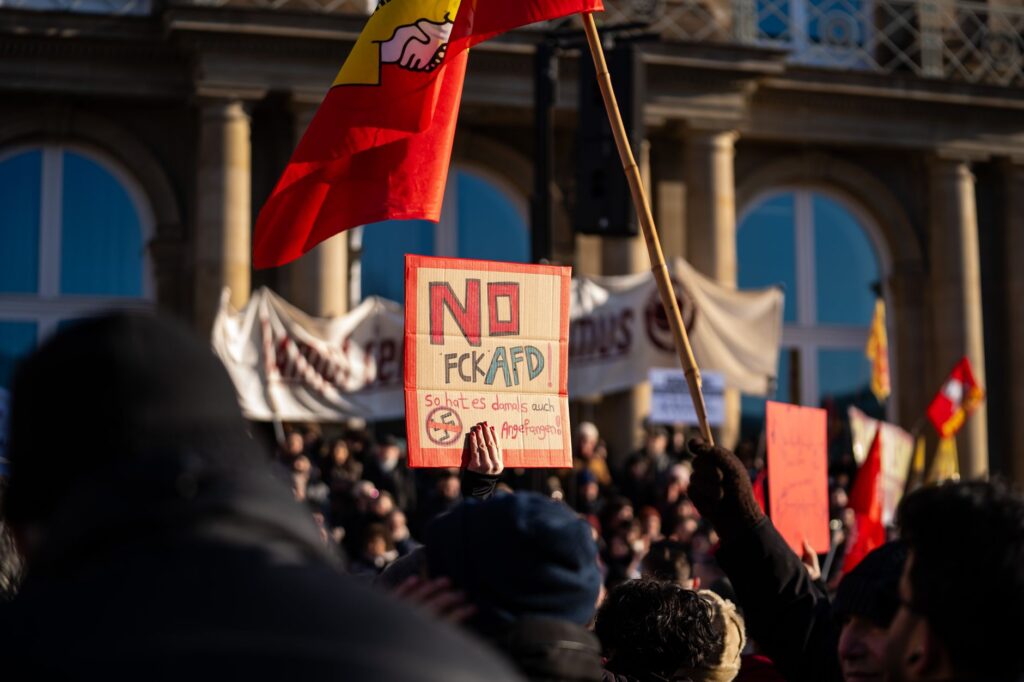

Germany faces a potentially seismic political shift as the far-right Alternative for Germany party positions itself for a breakthrough in upcoming regional elections. Should the political organization secure an absolute majority in Saxony-Anhalt, it would mark a monumental milestone in modern European politics. Never before has a far-right political movement held governmental control at the state level in Germany since the conclusion of the Second World War.
Political Landscape Overview
The regional election cycle in eastern Germany has drawn intense scrutiny from analysts and voters alike. Traditional political parties have dominated the federal and state governments for decades, maintaining a firewall against populist and extremist groups. However, shifting public sentiments and persistent economic and social challenges have created fertile ground for insurgent political factions.
The rise of the Alternative for Germany reflects a broader discontent among segments of the electorate. Issues ranging from economic stagnation to immigration policies have fueled the party’s momentum in the region. As voters prepare to head to the ballot boxes, mainstream political organizations are mobilizing to prevent a historic victory that could reshape the nation’s political architecture.
Historical Significance of Saxony-Anhalt
The potential outcome in Saxony-Anhalt carries profound psychological and political weight for the country. Because of the nation’s history, the emergence of a far-right administration at any level of government is treated with extreme gravity by constitutional watchdogs, international observers, and civil society.
Securing an absolute majority would grant the party direct control over regional policy, including education, policing, and local governance. This level of executive authority would provide a testing ground for governance strategies that diverge sharply from the federal consensus, potentially emboldening similar movements across other eastern states.
Implications for the Federal Government
A breakthrough of this magnitude would send shockwaves through Berlin. The current federal coalition, already navigating complex economic headwinds and internal disagreements, would face mounting pressure regarding its regional and national strategies.
Furthermore, mainstream leaders would need to reassess how to engage with an electorate that feels increasingly alienated by traditional political discourse. The ability of the Alternative for Germany to translate protest votes into tangible political power could permanently alter coalition dynamics and policy formulation nationwide.
Looking Ahead at the Regional Vote
As election day approaches, campaign activities have reached a fever pitch. Rallies, debates, and door-to-door canvassing dominate the local news cycle as every political faction makes its final appeal to the electorate.
Polls suggest a tight race, making the final outcome difficult to predict with absolute certainty. Regardless of the exact seat distribution, the vote in Saxony-Anhalt will serve as a definitive barometer of political change in contemporary Germany, signaling either a historic realignment or a resilient defense of the established political order.