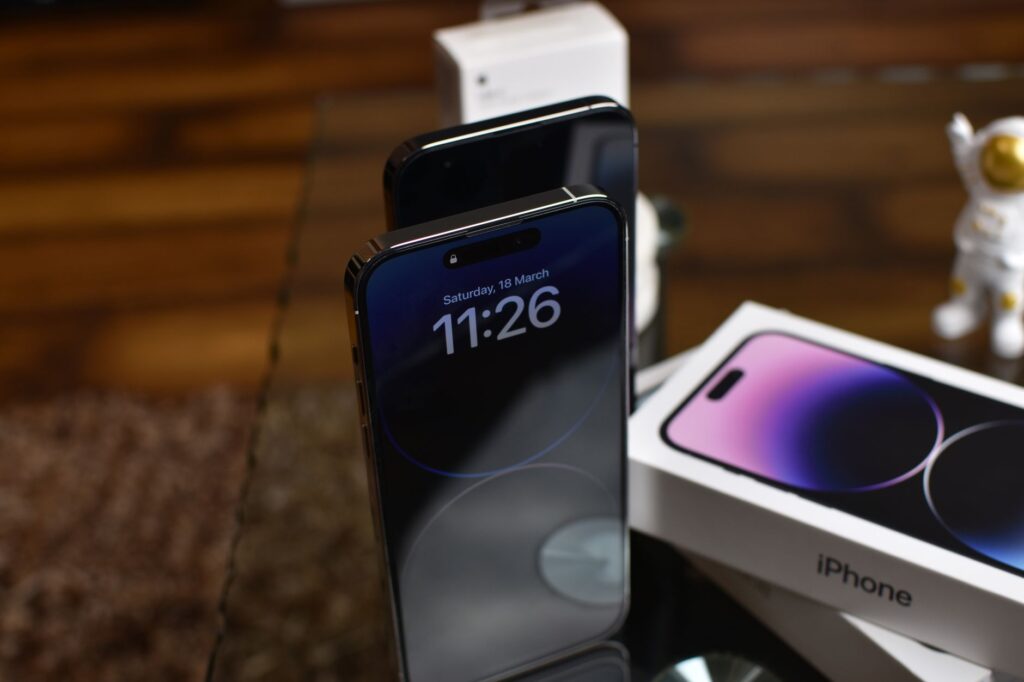

The smartphone industry is abuzz with speculation regarding Apple and its potential plans to introduce a brand-new tier to its flagship lineup. As consumers increasingly rely on their mobile devices for professional work, content creation, and high-end gaming, manufacturers are looking for ways to push hardware boundaries even further. Rumors have persistently pointed toward the development of an ultra-premium device that would sit comfortably above the standard Pro Max models, bringing unprecedented performance and cutting-edge features to the market.
Understanding the Ultra Concept
The notion of an Apple iPhone Ultra is not entirely new to tech enthusiasts. For several years, industry analysts have suggested that the Cupertino-based tech giant might adopt the moniker used for its top-tier smartwatch to denote a super-premium handset. Unlike minor iterative updates, this device is expected to represent a monumental leap in design, processing power, and overall capabilities. By introducing a new peak tier, the manufacturer could cater exclusively to power users willing to invest heavily in the absolute best mobile technology available.
Anticipated Pricing Strategy
One of the most discussed aspects of this rumored device is its expected price tag. Current reports and supply chain whispers suggest that the device could launch with a starting price near Rs 1.98 lakh. However, industry insiders have gone a step further, indicating that fully maxed-out storage configurations and exclusive hardware additions could drive the cost up to a staggering Rs 2.84 lakh. If these figures hold true, this would easily position the handset as the most expensive consumer smartphone ever offered by the brand, surpassing previous records set by high-capacity Pro Max variants.
Performance and Processing Power
At the heart of this rumored powerhouse is expected to be a brand-new generation of silicon. Speculation heavily points toward the integration of an A20 Pro processor. This chipset is anticipated to deliver desktop-class performance while maintaining remarkable energy efficiency. Whether handling complex 3D rendering, running advanced augmented reality applications, or executing machine learning tasks directly on the device, the processing architecture is designed to handle intensive workloads without breaking a sweat.
Revival of Biometric Security
Another intriguing detail emerging from the rumor mill involves user authentication. While Face ID has been the gold standard for Apple flagship devices for years, recent reports hint at the potential reintroduction of Touch ID. Implementing biometric security under the display or integrating it into a redesigned chassis could provide users with a secondary, highly convenient method for unlocking the device and authorizing secure transactions. This blend of facial recognition and fingerprint scanning would offer maximum flexibility and peace of mind.
Market Positioning and Consumer Appeal
Launching a device at such an elevated price point naturally raises questions about target demographics. Rather than appealing to the average upgrade cycle, this elite handset is seemingly engineered for enthusiasts, professionals, and early adopters who demand uncompromising performance. By offering luxury-grade materials, exclusive software optimizations, and futuristic hardware, the company aims to redefine what a mobile phone can achieve, setting a new benchmark for the entire luxury technology segment.