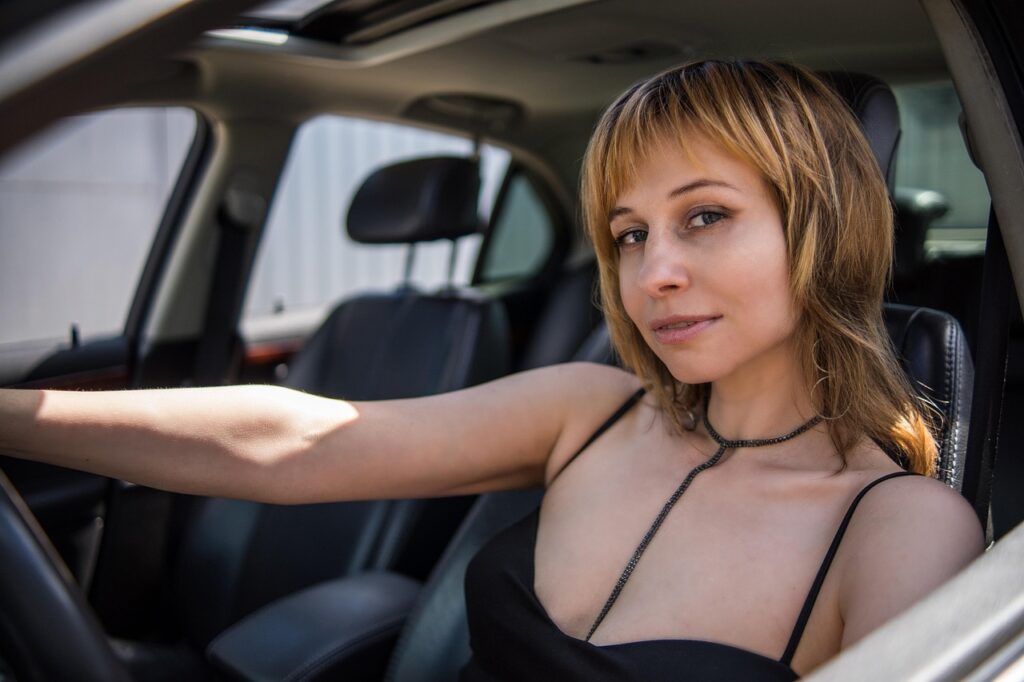

Twitch content creator ExtraEmily, known for her IRL (In Real Life) broadcasts, was reinstated on the platform this week following a 24-hour suspension triggered by a distracted driving incident during a live stream. The ban, which occurred on Tuesday, followed a viral clip in which the streamer was observed looking at her mobile device while maneuvering her vehicle through a turn, nearly resulting in a collision before being alerted by an external car horn.
The Growing Scrutiny of IRL Broadcasting
The incident highlights the intensifying tension between the demand for constant, engaging content and the safety regulations governing public road use. Twitch’s Community Guidelines explicitly prohibit dangerous behavior, including activities that could lead to physical harm or illegal actions, such as using a phone while operating a motor vehicle.
This is not the first time ExtraEmily has faced administrative action for similar conduct. The recurrence of these behaviors has prompted widespread discussion within the creator economy regarding the responsibility of platforms to enforce safety standards versus the autonomy of individual creators.
Safety Concerns vs. Content Demands
The rise of IRL streaming has transformed how audiences consume digital media, prioritizing spontaneity and authentic, unscripted moments. However, this format often places creators in uncontrolled environments where the pressure to maintain engagement can lead to lapses in judgment.
Data from the National Highway Traffic Safety Administration (NHTSA) consistently labels distracted driving as a primary cause of road accidents. For digital platforms, the challenge lies in monitoring thousands of hours of live content in real-time to prevent potential harm before it occurs.
Industry Implications and Platform Policy
Digital safety experts suggest that platforms may need to implement stricter automated moderation or delayed broadcast requirements for streamers operating vehicles. While Twitch has historically relied on community reports to flag violations, the viral nature of such incidents often forces the platform’s hand after the fact.
Industry analysts note that a one-day suspension serves as a warning rather than a permanent deterrent. The effectiveness of these disciplinary measures remains a subject of debate, with many critics arguing that minor bans do not adequately address the potential life-altering consequences of distracted driving.
Future Trends in Creator Safety
As the streaming industry matures, stakeholders should monitor whether Twitch updates its Terms of Service to include specific, heightened penalties for vehicle-related safety violations. Observers will be watching to see if other major platforms, such as YouTube or Kick, mirror these policies or adopt more restrictive guidelines for mobile broadcasters.
The incident is likely to accelerate the development of