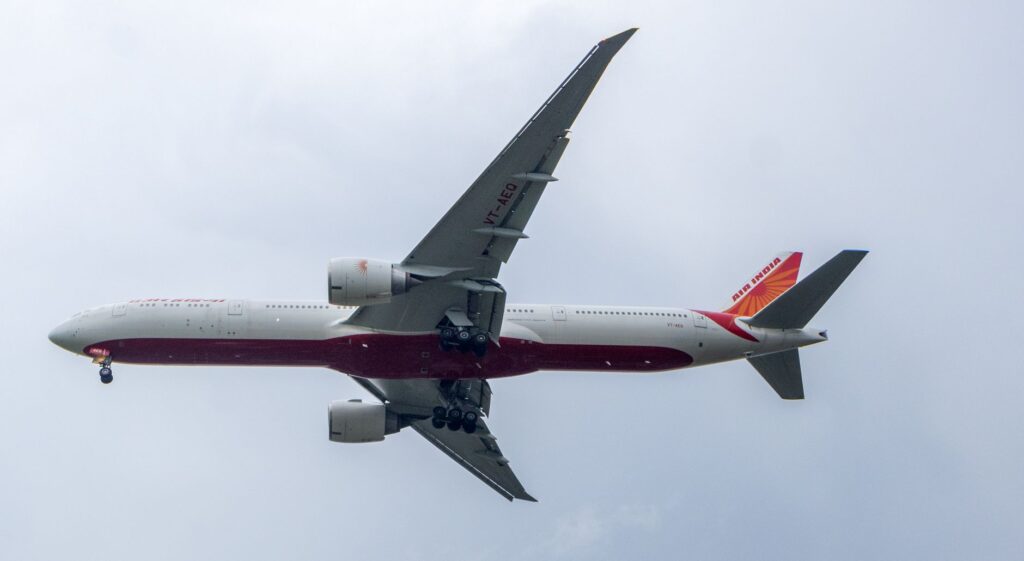

A commercial flight operated by Air India on a route to Delhi experienced a critical in-flight emergency when it briefly lost all hydraulic systems within a matter of seconds. The sudden mechanical failure occurred while the aircraft was cruising at an altitude of 36,000 feet, immediately triggering what aviation authorities classify as an altitude upset.
Introduction to the Incident
Operating at high altitudes demands absolute reliability from every primary system on a modern passenger jet. During this particular journey toward the Indian capital, the complete failure of the hydraulic systems presented an immediate challenge to the flight crew. Hydraulics are essential for controlling critical flight surfaces, landing gear deployment, and braking mechanisms. Losing these systems entirely, even for a short duration, places immense pressure on the individuals in the cockpit.
Understanding the Altitude Upset
The sudden loss of hydraulic pressure directly contributed to an altitude upset event. In aviation terminology, an altitude upset refers to any situation where an aircraft unintentionally exceeds the parameters normally associated with flight. These events require rapid intervention and precise piloting skills to restore the aircraft to a stable flight path before structural limits or safe boundaries are compromised.
Cockpit Dynamics and Crew Actions
Flight deck management during an emergency involves a strict division of duties between the pilot-in-command and the co-pilot. Official documentation regarding the incident noted that the pilot-in-command was acting as the pilot monitoring during the sequence of events. Following standard aviation protocols, the monitoring role entails overseeing system alerts, cross-checking instruments, and assisting the pilot flying to navigate the crisis safely.
Substance Screening Findings
In the aftermath of serious aviation incidents, regulatory bodies routinely conduct comprehensive post-flight evaluations of the crew members involved. According to the investigative findings released regarding this event, the pilot-in-command tested non-negative for a psycho-active substance. This detail has drawn significant attention from aviation safety regulators as they review the operational readiness and compliance of flight crew members.
Implications for Aviation Safety
Incidents involving simultaneous hydraulic failure and altitude upset at high cruising altitudes are exceedingly rare. They serve as critical case studies for maintenance teams, airline operators, and regulatory agencies. Analyzing the root causes of the hydraulic failure helps engineers improve system redundancy and prevent similar mechanical breakdowns on future flights.
Conclusion
As investigations into the Air India flight continue, the focus remains on understanding how the complete hydraulic loss occurred at 36,000 feet and evaluating all human factors involved. Ensuring transparency and adhering to rigorous safety standards are vital steps in maintaining passenger confidence and upholding global aviation security protocols.