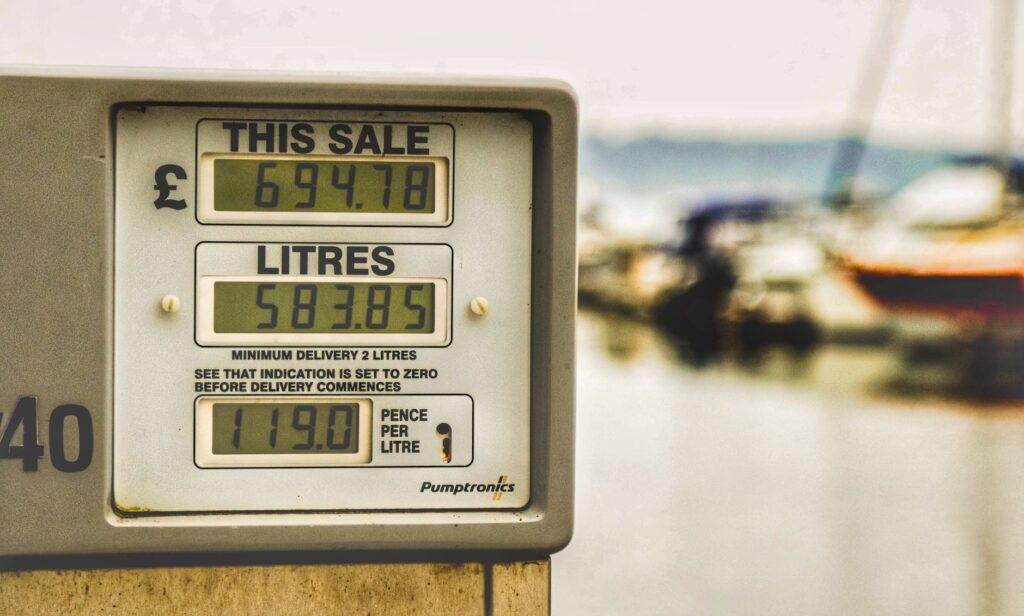

Crude oil futures experienced a significant upward trajectory this week, driven primarily by intensifying geopolitical friction between Washington and Tehran. The recent military engagements in the Middle East have reignited anxieties regarding potential energy supply bottlenecks. Market participants are closely monitoring regional developments as petroleum benchmarks react swiftly to the heightened instability. Industry observers suggest that any prolonged escalation in the area could trigger further upward pressure on global energy valuations.
Escalating Geopolitical Tensions
The flare-up in hostilities between the United States and Iran has sent ripples through international commodity markets. With a substantial portion of the world petroleum supply originating from or transiting through the Middle East, traders remain highly sensitive to regional disruptions. Logistics and transport routes face mounting scrutiny, and shipping insurers are reevaluating risk parameters. These compounding factors have introduced a notable risk premium into crude futures, keeping market volatility elevated.
Record Diesel Prices and Inflationary Pressures
Domestically, the impact is starkly visible at retail fuel pumps. United States retail diesel prices have climbed to unprecedented levels, placing an immediate financial burden on freight, logistics, and manufacturing sectors. Because diesel is the lifeblood of commercial transportation, these historic highs are feeding directly into broader economic inflation. Consumers and businesses alike are absorbing higher costs for goods and services, exacerbating existing concerns over the cost of living and persistent inflationary trends.
Economic Indicators and Federal Reserve Policy
Adding complexity to the macroeconomic landscape, recent United States employment data demonstrated resilience in the domestic labor market. While strong job growth is typically viewed as a positive economic indicator, it introduces a separate dilemma for monetary policy. Robust employment figures provide the Federal Reserve with additional headroom to pursue further interest rate hikes in its ongoing effort to cool the economy. Higher borrowing costs, combined with elevated energy prices, create a challenging environment for sustained economic expansion.
Market Outlook and Future Projections
Looking ahead, energy markets remain at the intersection of geopolitical risk and macroeconomic policy. Traders and analysts are maintaining a cautious stance as they await definitive signals from both policymakers and regional actors. If military frictions continue to escalate or if retail fuel costs remain stubbornly high, central banks may be forced into aggressive policy actions. For now, the combination of supply chain vulnerabilities and strong labor data ensures that commodity markets will experience continued turbulence in the near term.