
The Evolutionary Strategy of Bark Shedding
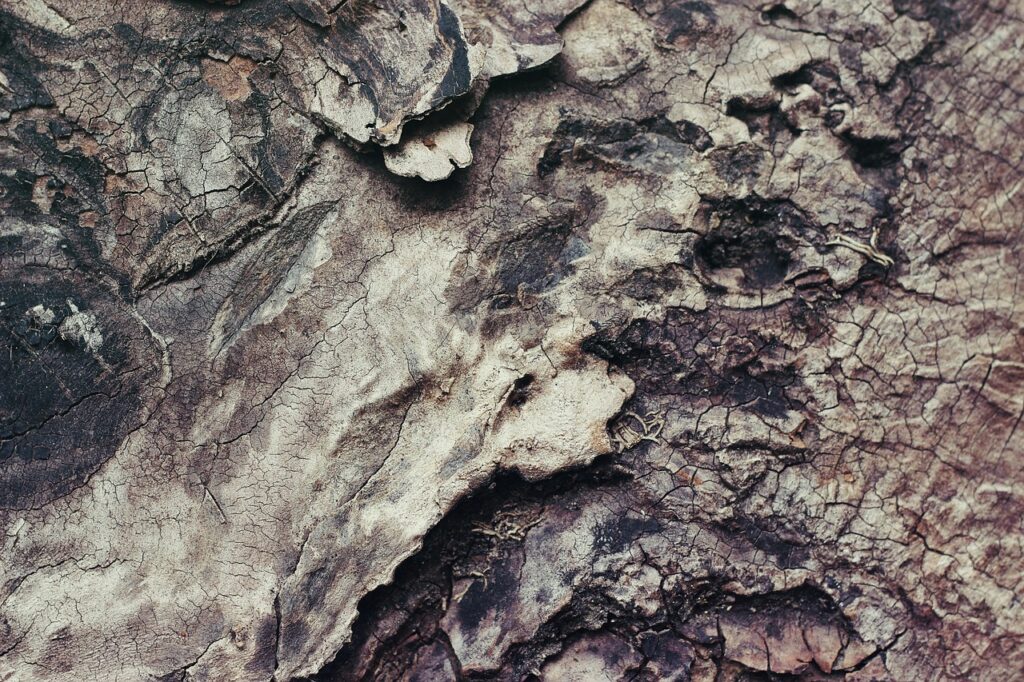
Botanists and arborists have long observed that eucalyptus trees—native primarily to Australia—undergo a distinct annual cycle of shedding their outer bark, a process that serves as a vital survival mechanism in volatile environments. This phenomenon, which typically occurs during the warmer months, allows these iconic trees to maintain physiological health while simultaneously managing environmental threats like parasites and fire.
Understanding the Anatomy of Growth
The bark of a eucalyptus tree is not a static protective layer like that of many deciduous trees in the Northern Hemisphere; it is a dynamic, living component of the tree’s growth cycle. As the tree increases in girth, the outer layer of bark—the rhytidome—becomes too tight to accommodate the expanding trunk. To prevent structural stress and maintain proper gas exchange, the tree naturally sloughs off the old, dead layers of bark to make room for new growth.
Defense Against Pests and Fungi
Beyond the demands of physical growth, the shedding process serves as a highly effective biological defense system. Many insects, parasitic fungi, and mosses rely on the crevices of rough, accumulated bark to establish colonies and bore into the tree’s cambium layer. By periodically discarding its outer skin, the eucalyptus effectively ‘cleans’ itself, removing potential infestations and preventing the buildup of harmful pathogens that could compromise the tree’s vascular system.
Fire Resilience and Environmental Adaptation
The shedding cycle is also intrinsically linked to the tree’s fire-adapted nature. In the fire-prone landscapes of Australia, the accumulation of dry, fibrous bark can act as a fuel ladder, allowing ground fires to climb into the canopy. By shedding this flammable material, the tree reduces its surface fuel load, increasing its chances of surviving high-intensity bushfires. Furthermore, the smooth, fresh bark revealed underneath is often more resilient to the immediate heat of a passing fire compared to the desiccated, porous layers that were discarded.
Scientific Perspectives on Forest Health
Research published in the Journal of Vegetation Science highlights that the shedding rate can vary significantly based on water availability and local temperature fluctuations. During periods of drought, some species may delay shedding to conserve energy, while in high-growth years, the process accelerates to accommodate rapid biomass accumulation. This adaptability underscores the tree’s role as a highly specialized organism capable of modulating its physical defenses in response to climate stressors.
Industry Implications and Future Outlook
For forestry managers and urban planners, understanding this cycle is essential for maintaining biodiversity and managing fire risks in suburban interfaces. As global temperatures rise and fire seasons lengthen, the ability of native flora to manage its own health through shedding becomes a critical data point for climate modeling. Observers should look toward upcoming studies on how prolonged drought cycles might disrupt this shedding rhythm, potentially leaving these trees more vulnerable to pest outbreaks or fire damage in the coming decade.