
Background of the Incident
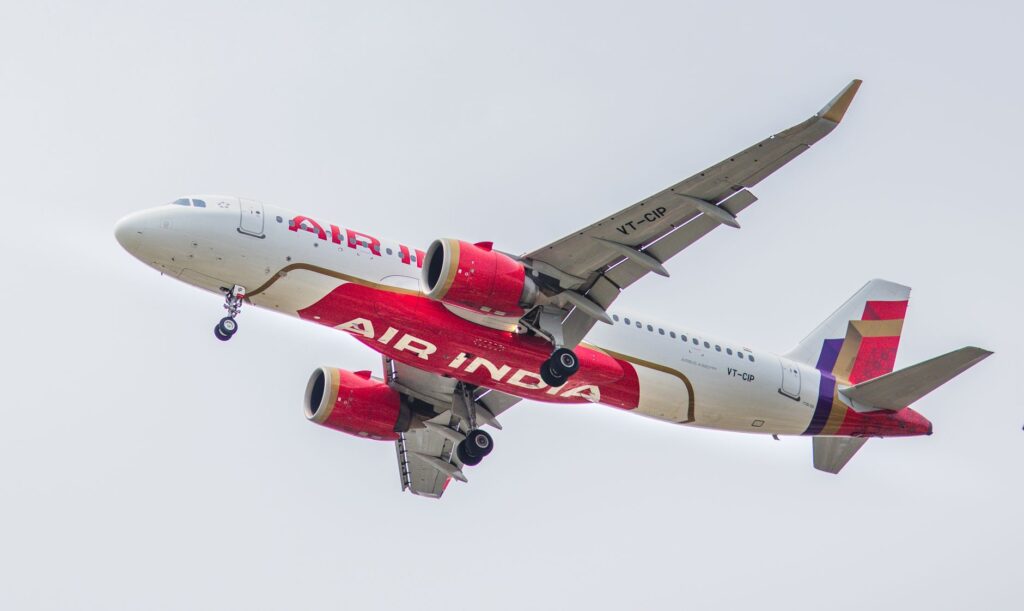
A recent investigation report has brought to light a critical aviation safety event involving an Air India flight traveling from Phuket to Delhi. The incident, which has drawn significant attention from aviation experts and safety analysts, centers around a sudden and alarming failure of aircraft systems while in mid-air. While official documentation has been released to outline the sequence of events, several vital technical questions remain unaddressed, leaving aviation professionals seeking deeper explanations.
The core of the concern lies in the unexpected nature of the system failures experienced during the journey. According to the available records, the aircraft encountered a total loss of multiple critical operational networks simultaneously. Such an occurrence is exceptionally rare in modern commercial aviation, given that aircraft are engineered with multiple layers of redundancy to prevent catastrophic operational breakdowns.
The Mystery of Simultaneous Hydraulic Failures
One of the most perplexing aspects highlighted in the investigative findings is the simultaneous collapse of all three hydraulic networks on the aircraft. Modern commercial airliners rely heavily on hydraulic power to control flight surfaces, landing gear, and braking systems. To mitigate risks, these aircraft are designed with independent hydraulic systems operating in parallel, ensuring that if one fails, others can maintain full control.
The official documentation, however, fails to provide a clear technical rationale for how every single hydraulic network could cease functioning at the exact same moment. In standard aviation scenarios, a common-cause failure affecting all redundant systems points toward a severe underlying anomaly. The absence of a definitive explanation in the report regarding this simultaneous collapse leaves a significant gap in our understanding of the event.
Rapid Recovery Without a Clear Cause
Equally baffling to aviation specialists is the rapid and unexplained recovery of the hydraulic systems just seconds after the total failure occurred. Systems that shut down simultaneously managed to re-engage and restore normal aircraft operations within a remarkably short timeframe.
While the restoration of power averted a potential disaster, the investigation report does not detail the exact mechanism behind this sudden revival. Typically, when complex mechanical and hydraulic systems experience a total outage, manual intervention or specific automated safety protocols are required to reboot them. The report lacks a comprehensive breakdown of what triggered this spontaneous recovery, leaving safety analysts wondering whether the underlying vulnerability has truly been identified.
Route Diversion Decisions Under Scrutiny
Another critical area receiving scrutiny is the operational decision-making process following the sudden system malfunction. When faced with a multi-system failure of this magnitude, standard emergency protocols often dictate immediate route diversion to the nearest suitable airfield to ensure passenger and crew safety.
The documentation regarding the Phuket to Delhi flight does not adequately address why alternative route diversions were not executed during the critical phase of the emergency. Understanding the rationale behind continuing the journey rather than landing at a closer facility is essential for evaluating crew resource management and emergency response protocols during high-stress situations.
Implications for Future Aviation Safety
As the aviation community continues to review the incident, the unanswered questions highlighted in the official findings emphasize the need for rigorous scrutiny in air safety investigations. Without a transparent explanation of simultaneous system failures and their rapid recovery, implementing targeted preventative measures becomes increasingly challenging.
Ensuring that future flights maintain the highest standards of safety requires thoroughness from regulatory bodies and investigative agencies. Addressing these lingering technical mysteries will be crucial for maintaining public confidence and preventing similar occurrences in commercial aviation operations worldwide.