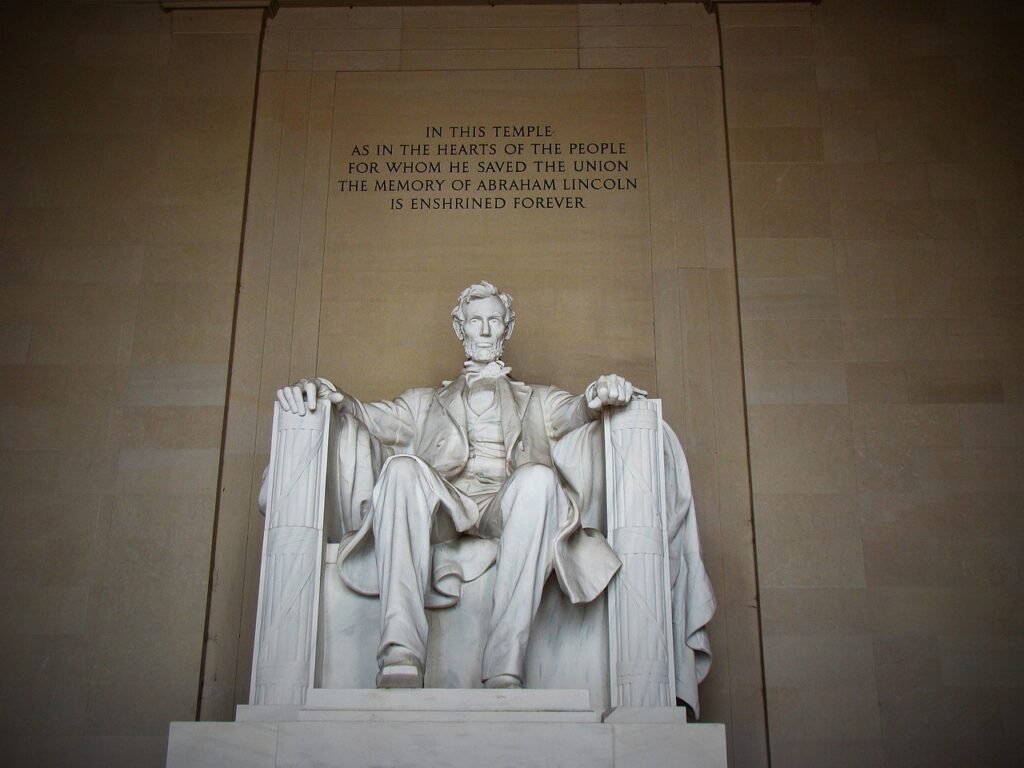

David Hearn, a former U.S. Olympic canoe racer, was formally indicted on Thursday in a Washington, D.C. court on a single count of property destruction. The charges stem from an alleged act of vandalism involving the Lincoln Memorial Reflecting Pool, a site managed by the National Park Service. Federal authorities moved forward with the case this week, marking a significant legal development in an incident that drew attention to the security of the nation’s most prominent monuments.
Context of the Incident
The Lincoln Memorial Reflecting Pool serves as one of the most iconic landmarks in the United States, drawing millions of visitors annually to the National Mall. Due to its historical significance and proximity to federal government buildings, the area is subject to strict security protocols and federal oversight.
Vandalism of federal property is treated as a serious offense under U.S. law, often carrying penalties that include substantial fines and potential incarceration. The National Park Service frequently monitors the Reflecting Pool to preserve its structural integrity and aesthetic value, which requires ongoing maintenance and protection from environmental and human-caused damage.
Details of the Legal Proceedings
According to court documents filed in the U.S. District Court for the District of Columbia, Hearn is accused of intentionally damaging the property during the alleged incident. While the specific nature of the damage has not been detailed in full public disclosures, property destruction charges of this magnitude typically require evidence of significant financial impact or permanent alteration to the site.
Hearn, who competed for the United States in the 1972 Summer Olympics in Munich, has transitioned into a private life following his athletic career. His indictment has surprised many in the sports community, given his history as a representative of American excellence on the world stage.
Expert Perspectives on Monument Security
Security experts note that protecting an open-air site like the National Mall presents unique logistical challenges. Unlike indoor museums, the Reflecting Pool is accessible to the public 24 hours a day, making it difficult to maintain a perimeter that prevents unauthorized interaction with the water or the stone infrastructure.
Data from the National Park Service indicates that incidents of vandalism on the National Mall fluctuate year over year, with security teams often relying on a combination of surveillance technology and physical patrols. Protecting these sites is a balancing act between maintaining public accessibility and ensuring the preservation of national landmarks for future generations.
Broader Implications for Public Landmarks
The indictment serves as a stark reminder of the legal consequences associated with tampering with federal property. For the general public, the case underscores the zero-tolerance policy that federal agencies maintain regarding the defacement of national monuments.
Legal analysts suggest that this case will likely focus on the intent behind the act and the total cost of repairs necessitated by the damage. As the proceedings move forward, the case may prompt further discussions regarding whether current security measures at the Reflecting Pool are adequate to deter future incidents of vandalism.
Observers will be watching the upcoming court dates to see if a plea agreement is reached or if the case proceeds to a full trial. Future developments may also lead to a reassessment of how the National Park Service manages crowd control and site protection during late-night hours, potentially leading to increased lighting, more frequent patrols, or updated surveillance coverage around the pool’s perimeter.