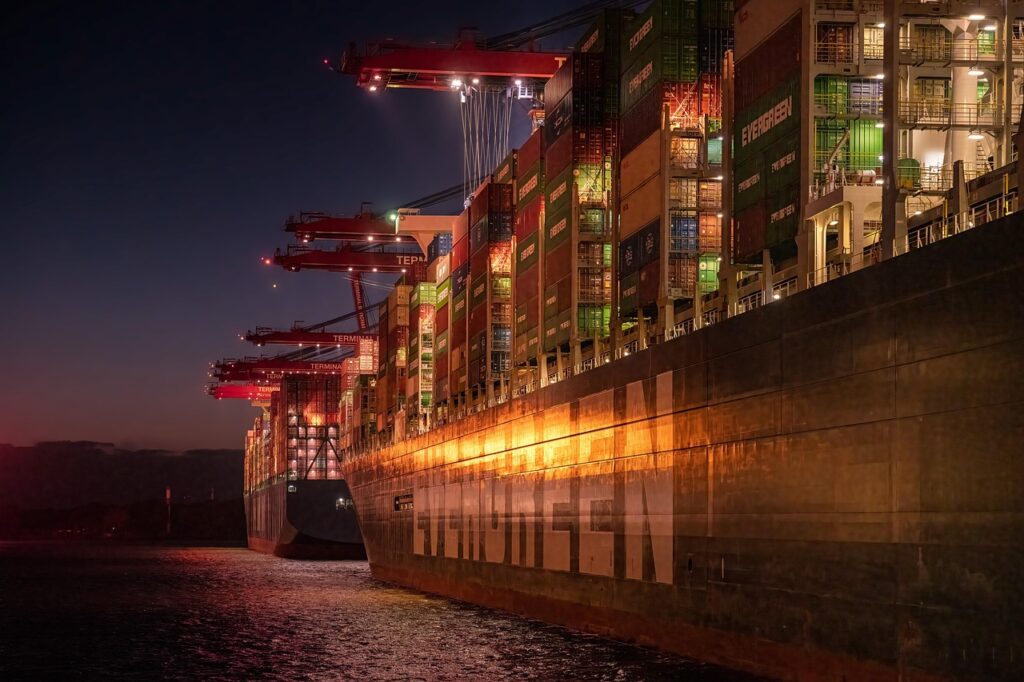

The United States government has officially signaled growing apprehension regarding Canada’s economic relationship with China, a development that threatens to complicate the upcoming review of the Canada-United States-Mexico Agreement (CUSMA). U.S. Trade Representative Jamieson Greer, in a recent interview with Global News, stated that the White House is increasingly concerned that Beijing may utilize Canada as a strategic back door to circumvent American trade barriers and gain unauthorized access to the U.S. market.
The Context of Continental Trade Security
The CUSMA, which replaced the North American Free Trade Agreement (NAFTA) in 2020, is scheduled for a mandatory six-year joint review in 2026. This review process provides a critical window for member nations to renegotiate terms or address emerging trade imbalances.
In recent months, Washington has intensified its scrutiny of supply chains, particularly in sectors like electric vehicles, semiconductors, and critical minerals. U.S. officials argue that foreign entities of concern, specifically from China, are seeking to leverage North American trade pacts to bypass tariffs and domestic content requirements.
Strategic Concerns Over Transshipment
The core of the American concern lies in the potential for transshipment, where Chinese goods are routed through Canada with minimal processing to qualify as North American-made. This practice, often referred to as