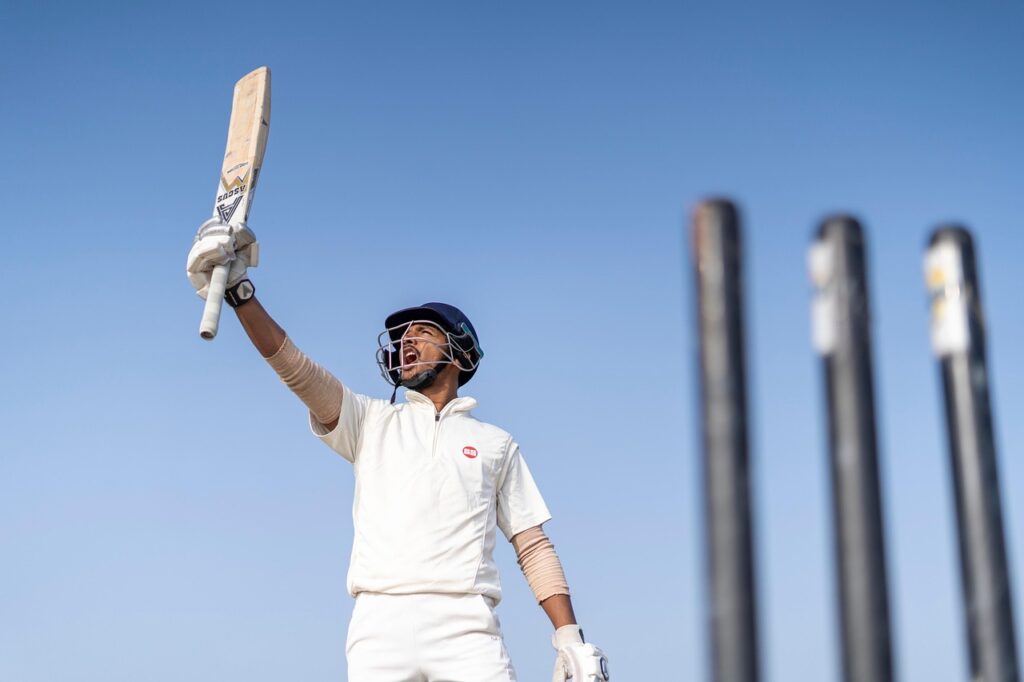

Echoes of a Legend
During the ongoing Maharaja Trophy, Samit Dravid, the teenage son of Indian cricket icon Rahul Dravid, has captured the public imagination by displaying a batting technique that mirrors his father’s legendary composure. Spectators and analysts alike have noted the uncanny resemblance in his stance and defensive mechanics, marking a significant moment in the young cricketer’s burgeoning professional career.
A Legacy in Transition
Rahul Dravid, often referred to as ‘The Wall’ for his impenetrable defense and technical brilliance, retired as one of the most respected figures in international cricket. His transition into coaching, including a successful tenure as the head coach of the Indian men’s national team, has kept the Dravid name at the forefront of the sport. Samit’s emergence in a high-profile domestic tournament brings a new layer of scrutiny to the family legacy, as fans look to see if the technical discipline of the father has been successfully passed down to the son.
Beyond the Batting Stance
While the visual comparisons to his father are inevitable, Samit is actively diversifying his profile within the sport. Unlike his father, who was primarily a specialist batter, Samit is developing as a pace-bowling all-rounder, a versatility that is increasingly valued in modern T20 and multi-format cricket. His performance in age-group cricket, where he has consistently contributed with both bat and ball, suggests a player aiming for a more multifaceted role on the field.
The Broader Sporting Family
The Dravid household continues to be a hub of cricketing talent, with younger brother Anvay Dravid also making significant strides in the youth circuit. Recently selected for India’s U-19 squad, Anvay is carving his own niche as a wicketkeeper-batter, further cementing the family’s deep-rooted connection to the sport. The simultaneous rise of two siblings in competitive pathways underscores the structured development environment they have been exposed to throughout their formative years.
Expert Perspectives on Development
Cricket analysts emphasize that while technical similarities are noteworthy, the transition from junior cricket to the senior professional level requires more than just mimicry. Former coaches have noted that Samit’s ability to handle the psychological pressure of his surname will be the true test of his longevity. Data from recent domestic matches indicates that Samit possesses a high strike rate and a disciplined shot selection, traits that are essential for success in the competitive landscape of the Maharaja Trophy.
Industry Implications
For the Indian cricketing ecosystem, the rise of second-generation players like Samit and Anvay highlights the effectiveness of current grassroots scouting and development programs. Scouts are watching closely to see how these players adapt to the high-intensity demands of professional leagues, which serve as a proving ground for future international selection. The industry will likely continue to monitor their progress through the upcoming domestic season to gauge their readiness for higher-tier challenges.
Looking Ahead
Moving forward, the focus will shift to whether Samit and Anvay can maintain their trajectory amidst the intense media spotlight. Observers will be watching their performance in upcoming regional tournaments to see if they can translate their early promise into consistent match-winning contributions. As the domestic calendar intensifies, the evolution of the Dravid brothers’ roles—and how they reconcile their individual styles with the weight of their family name—will remain a primary narrative in Indian domestic cricket.