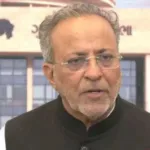


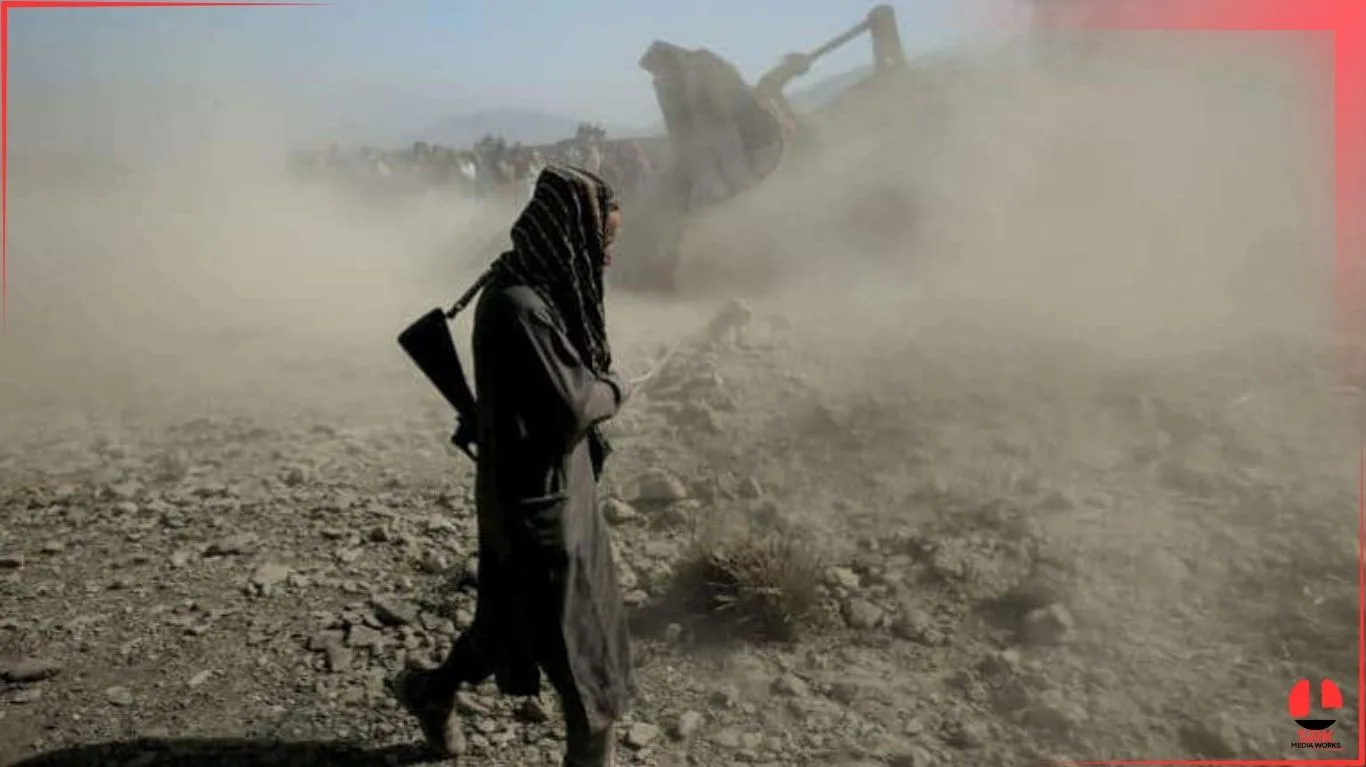
In a bold statement that has stirred international debate, an Afghan Member of Parliament living in exile has urged India to take a stronger role in advocating for the denuclearisation of Pakistan. The remarks came in the aftermath of recent Kabul strikes, which have reignited concerns about regional stability and the potential misuse of nuclear capabilities. The MP’s declaration — “India is strong enough to…” — underscores the belief that New Delhi has both the diplomatic and strategic weight to influence global discourse on South Asia’s nuclear future.
Background of the Statement
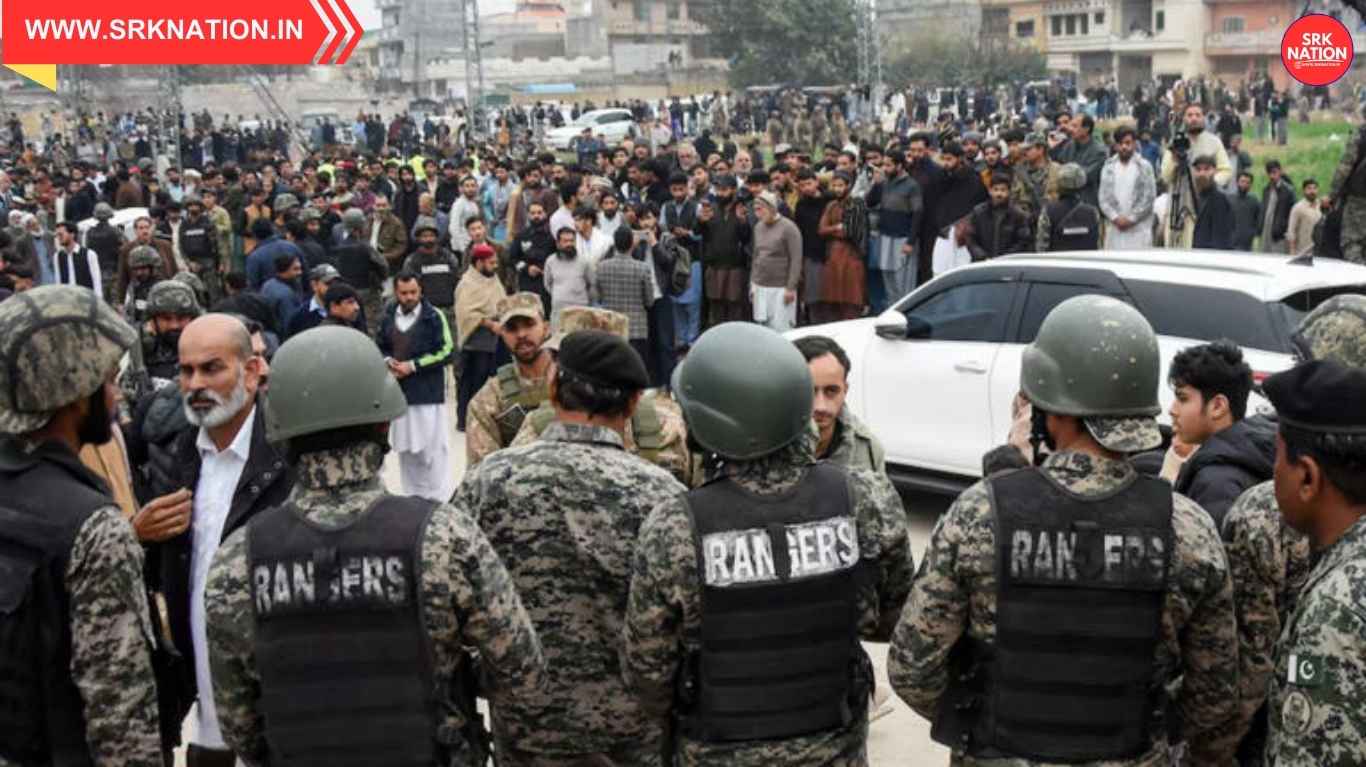
The Kabul strikes have once again highlighted the fragile security environment in Afghanistan. With militant groups continuing to operate and cross-border tensions escalating, the exiled Afghan MP argued that Pakistan’s nuclear arsenal poses a grave threat not only to Afghanistan but to the entire region. By calling on India to lead efforts toward denuclearisation, the MP is appealing to India’s growing global stature and its ability to rally international support.
India’s Position in Regional Security
India has long maintained that nuclear weapons in South Asia increase instability. While India itself is a nuclear power, its doctrine emphasizes “no first use” and responsible stewardship. The Afghan MP’s statement suggests that India’s credibility as a responsible nuclear nation could be leveraged to push for Pakistan’s disarmament.
India’s Strategic Advantages:
- Diplomatic Influence: Strong ties with the United States, European Union, and regional powers.
- Economic Strength: A rapidly growing economy that enhances its global standing.
- Military Capability: A modernizing defense force capable of deterrence.
- Soft Power: Cultural and democratic values that resonate globally.
Pakistan’s Nuclear Arsenal: A Regional Concern
Pakistan’s nuclear program has often been criticized for its lack of transparency and alleged links to extremist elements. Concerns about nuclear safety, proliferation, and potential misuse have been raised repeatedly by international observers. The Afghan MP’s call for denuclearisation reflects fears that instability in Pakistan could lead to catastrophic consequences.
Comparative Analysis of Nuclear Policies
| Country | Nuclear Policy | Global Perception | Regional Impact |
|---|---|---|---|
| India | No First Use, responsible stewardship | Positive, responsible | Stabilizing force |
| Pakistan | First Use option, opaque program | Negative, risky | Destabilizing factor |
| Afghanistan | No nuclear arsenal | Neutral | Vulnerable state |
Analysis of Regional Sentiment
| Sentiment Category | Impact on India | Impact on Pakistan | Impact on Afghanistan |
|---|---|---|---|
| Security Concerns | Seen as potential stabilizer | Seen as threat | Seen as victim |
| Diplomatic Role | Strengthened global influence | Isolated internationally | Gains sympathy |
| Public Perception | Viewed as responsible power | Viewed with suspicion | Viewed as fragile |
| Media Coverage | Extensive, positive tone | Critical, negative tone | Highlighted as suffering state |
Global Reactions
- United States: Likely to support India’s leadership role but cautious about destabilizing Pakistan further.
- European Union: May back calls for nuclear safety and transparency.
- China: Could oppose India’s push, given its close ties with Pakistan.
- United Nations: Expected to emphasize dialogue and non-proliferation treaties.
Challenges in Denuclearisation
While the Afghan MP’s call is bold, the path to denuclearisation is fraught with challenges:
- Geopolitical Rivalries: Pakistan views its nuclear arsenal as essential against India.
- International Resistance: Some powers may resist destabilizing Pakistan.
- Verification Issues: Ensuring compliance with denuclearisation would be complex.
- Domestic Politics: Pakistan’s internal dynamics make nuclear rollback unlikely.
Broader Implications
The statement reflects a growing recognition of India’s role as a regional leader. If India were to champion denuclearisation, it could reshape South Asia’s security architecture. However, such a move would require careful diplomacy, coalition-building, and balancing global interests.
Conclusion
The Afghan MP-in-exile’s statement — “India is strong enough to…” — is both a challenge and an opportunity for New Delhi. By urging India to lead efforts toward Pakistan’s denuclearisation, the MP has placed India at the center of South Asia’s nuclear debate. Whether India chooses to act on this call remains uncertain, but the discussion itself highlights the urgent need for stability, transparency, and responsible leadership in the region.
Disclaimer
This article is a journalistic analysis based on publicly available information and political statements. It does not endorse or oppose any political party, government, or leader. Readers are encouraged to interpret the content as informative coverage and verify facts independently before forming opinions.