









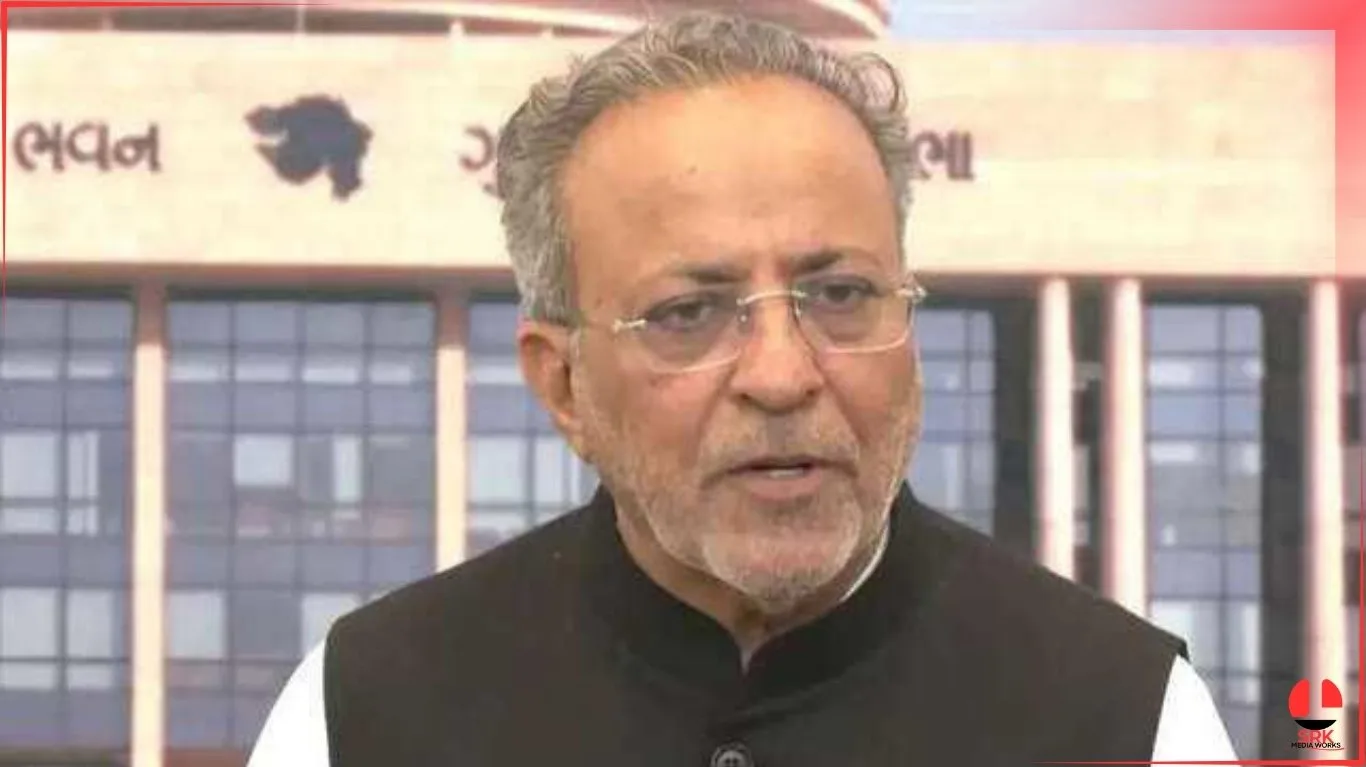
India’s semiconductor ambitions are set to take center stage as Gujarat prepares to host the SemiConnect Conference 2026, a landmark event dedicated to advancing semiconductor technology, innovation, and manufacturing. This conference is expected to bring together global industry leaders, policymakers, researchers, and entrepreneurs to discuss strategies for strengthening India’s semiconductor ecosystem and positioning the country as a global hub for chip design and production.
Significance of SemiConnect Conference 2026
The SemiConnect Conference is not just another industry gathering; it represents India’s strategic push to reduce dependency on imports and establish a robust domestic semiconductor industry. Gujarat, already emerging as a preferred destination for electronics manufacturing, will serve as the venue for this high-profile event.
Key Objectives of the Conference:
- Promote Semiconductor Manufacturing: Encourage investments in fabrication plants and chip design centers.
- Strengthen Supply Chains: Build resilient networks to reduce reliance on foreign suppliers.
- Foster Innovation: Showcase cutting-edge research and development in semiconductor technology.
- Policy Frameworks: Discuss government initiatives and incentives to support semiconductor growth.
- Global Collaboration: Attract international partnerships to accelerate India’s semiconductor journey.
Why Gujarat?
Gujarat has become a focal point for India’s industrial growth, with strong infrastructure, investor-friendly policies, and proximity to ports. The state’s ability to attract large-scale projects makes it an ideal choice for hosting SemiConnect 2026.
Gujarat’s Advantages:
- Industrial Ecosystem: Presence of electronics and manufacturing clusters.
- Government Support: Proactive policies and incentives for high-tech industries.
- Logistics Infrastructure: Ports, highways, and connectivity for global trade.
- Skilled Workforce: Availability of engineering talent and technical expertise.
India’s Semiconductor Push
India’s semiconductor demand is projected to grow exponentially, driven by sectors such as consumer electronics, automotive, telecommunications, and defense. The SemiConnect Conference will highlight India’s roadmap to meet this demand through domestic production and innovation.
Government Initiatives:
- Production Linked Incentive (PLI) Scheme: Encouraging semiconductor manufacturing.
- Design Linked Incentive (DLI) Scheme: Supporting chip design startups.
- Strategic Partnerships: Collaborations with global semiconductor giants.
- Skill Development Programs: Training engineers and technicians for semiconductor roles.
Comparative Analysis of Semiconductor Development
| Country | Strengths | Challenges | Global Role |
|---|---|---|---|
| India | Growing demand, policy support | Lack of fabs, supply chain gaps | Emerging hub |
| USA | Advanced R&D, established fabs | High costs, talent shortages | Global leader |
| Taiwan | Strong manufacturing base | Geopolitical risks | Dominant player |
| China | Large-scale production capacity | Trade restrictions, IP concerns | Expanding rapidly |
Analysis of Conference Impact
| Impact Category | Effect on India | Effect on Global Industry |
|---|---|---|
| Investment Inflows | High – boosts domestic industry | Attracts global collaboration |
| Policy Development | Strengthened – new incentives | Influences global frameworks |
| Innovation Ecosystem | Enhanced – startups benefit | Expands R&D partnerships |
| Workforce Development | Improved – skill training | Creates global talent pool |
Expected Participants
The SemiConnect Conference 2026 is expected to host:
- Global Semiconductor Firms: Leaders from Taiwan, USA, Japan, and South Korea.
- Indian Tech Giants: Companies investing in chip design and electronics.
- Startups: Innovators showcasing new semiconductor solutions.
- Academia: Universities presenting research in microelectronics.
- Government Officials: Policymakers outlining India’s semiconductor vision.
Challenges Ahead
While the conference is a major step forward, India faces challenges in achieving semiconductor self-reliance:
- High Capital Costs: Setting up fabs requires billions in investment.
- Technology Transfer: Dependence on global players for advanced technology.
- Supply Chain Risks: Need for raw material security.
- Global Competition: Competing with established hubs like Taiwan and South Korea.
Conclusion
The SemiConnect Conference 2026 in Gujarat is poised to be a turning point in India’s semiconductor journey. By bringing together global leaders, innovators, and policymakers, the event will not only showcase India’s ambitions but also lay the foundation for long-term growth in the semiconductor sector. Gujarat’s hosting of this conference underscores India’s commitment to becoming a global powerhouse in technology and manufacturing.
Disclaimer
This article is a journalistic analysis based on publicly available information and industry trends. It does not endorse or oppose any government, company, or institution. Readers are encouraged to interpret the content as informative coverage and verify facts independently before forming opinions.