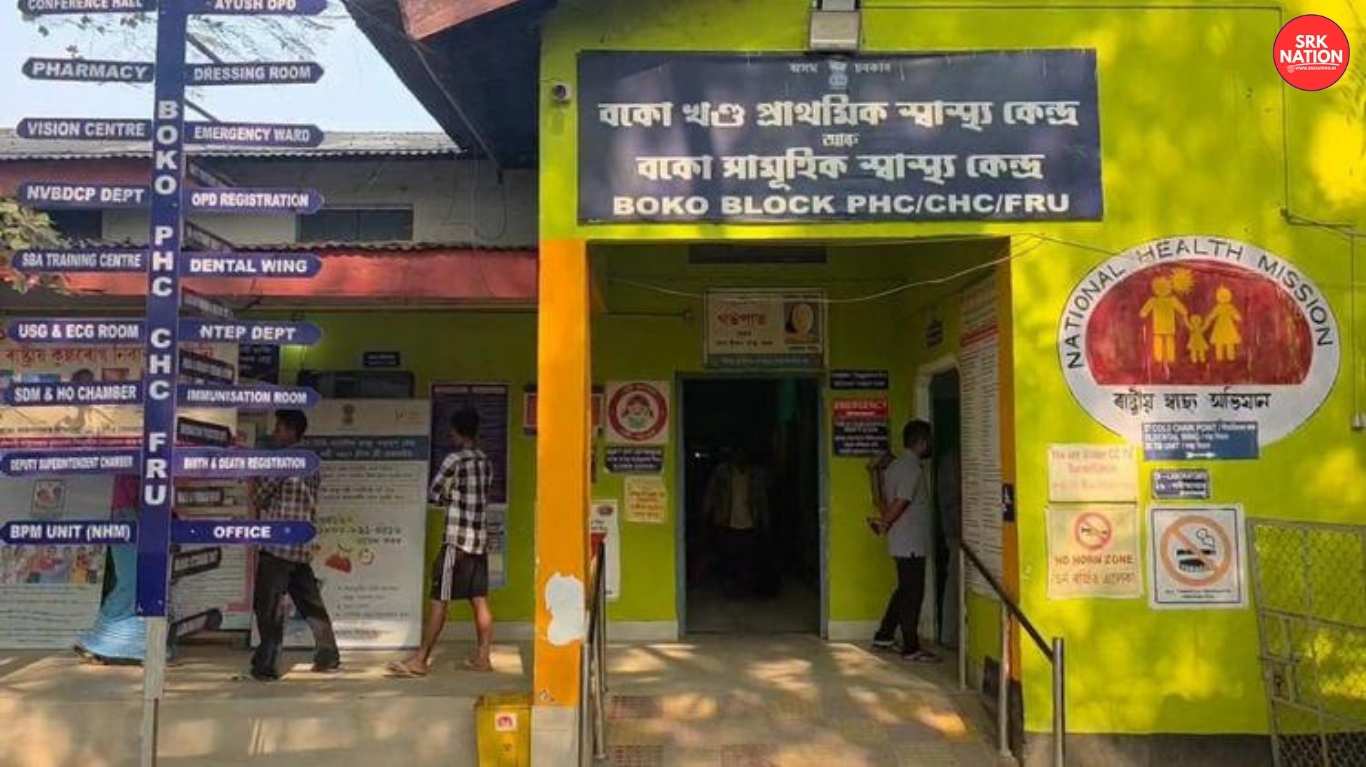






A major controversy has erupted in Assam after reports revealed that the number of beneficiaries under the Pradhan Mantri Kisan Samman Nidhi (PM-KISAN) scheme has drastically fallen from 11.55 lakh to just 4.89 lakh. The sharp decline has raised serious concerns about the exclusion of genuine farmers from the scheme, prompting a Congress Member of Parliament to raise the issue in Parliament. The development has triggered debates over data verification, governance, and the future of welfare schemes in the agrarian state.
Key Highlights
- PM-KISAN beneficiaries in Assam drop from 11.55 lakh to 4.89 lakh.
- Congress MP raises alarm in Parliament, demanding accountability.
- Government cites data verification and removal of ineligible names as reasons.
- Farmers express concern over exclusion and delayed payments.
- Debate intensifies over transparency and efficiency of welfare schemes.
Background of PM-KISAN Scheme
Launched in 2019, the PM-KISAN scheme provides ₹6,000 annually to eligible farmers in three equal installments. The scheme aims to support small and marginal farmers by offering direct income support. Assam, with its large agrarian population, was among the states that saw significant enrollment in the initial years.
However, the recent plunge in beneficiary numbers has raised eyebrows. Officials claim that the reduction is due to stricter verification processes, which removed duplicate and ineligible entries. Critics argue that genuine farmers are being left out, undermining the scheme’s purpose.
Statistical Overview of Beneficiary Decline in Assam
| Year | Registered Beneficiaries | Verified Beneficiaries | Reduction (%) | Key Reason |
|---|---|---|---|---|
| 2020 | 11.55 lakh | 10.80 lakh | 6.5% | Initial verification |
| 2022 | 9.20 lakh | 7.50 lakh | 18.5% | Aadhaar linking issues |
| 2024 | 6.30 lakh | 5.20 lakh | 17.5% | Duplicate removal |
| 2025 | 4.89 lakh | 4.89 lakh | 22.4% | Strict eligibility checks |
Impact of Beneficiary Reduction
| Factor | Impact on Farmers | Impact on Government | Impact on Politics |
|---|---|---|---|
| Exclusion of names | Loss of income support | Reduced fiscal burden | Sparks opposition criticism |
| Verification drive | Creates confusion | Improves data accuracy | Seen as anti-farmer by critics |
| Payment delays | Financial stress | Administrative challenges | Fuels political debates |
| Long-term outlook | Weakens trust in schemes | Push for digital reforms | Becomes electoral issue |
Why This Decline Matters
- Farmer Welfare: The PM-KISAN scheme is a lifeline for small farmers, and exclusion can cause financial distress.
- Governance Issues: Raises questions about efficiency and transparency in implementing welfare schemes.
- Political Fallout: Opposition parties use the issue to target the government, especially in agrarian states.
- Economic Impact: Reduced beneficiaries mean less direct income support, affecting rural consumption.
Expert Views
Agricultural economists argue that while data verification is necessary, the process must be transparent and inclusive. They warn that excluding genuine farmers could undermine trust in welfare schemes. Policy experts suggest that better coordination between state and central agencies is needed to ensure accurate beneficiary lists.
Public and Farmer Reactions
Farmers across Assam have expressed frustration over being excluded from the scheme. Many claim they submitted all required documents but were still removed from the list. Protests have been reported in some districts, with farmer unions demanding immediate rectification.
On social media, citizens debated whether the reduction reflects improved governance or administrative failure. While some supported the removal of ineligible names, others criticized the government for failing to protect genuine beneficiaries.
Historical Context
India’s welfare schemes have often faced challenges related to data accuracy and beneficiary identification. From ration cards to rural employment programs, issues of duplication and exclusion have persisted. The PM-KISAN scheme, despite its digital framework, is now facing similar challenges in Assam.
Extended Analysis
The Assam PM-KISAN controversy reflects broader themes in governance and welfare delivery:
- Digital Governance: Aadhaar-based verification aims to improve accuracy but often excludes genuine beneficiaries.
- Political Accountability: Welfare schemes become political battlegrounds, especially in agrarian states.
- Farmer Trust: Exclusion undermines confidence in government programs.
- Future of Welfare: Highlights the need for reforms in data management and grievance redressal.
For farmers, the decline means loss of crucial income support. For the government, it reduces fiscal burden but raises political risks. For opposition parties, it provides ammunition to question governance.
Conclusion
The sharp decline in PM-KISAN beneficiaries in Assam from 11.55 lakh to 4.89 lakh has sparked a major controversy. While the government cites data verification and removal of ineligible names, critics argue that genuine farmers are being excluded. With a Congress MP raising the issue in Parliament, the debate is set to intensify. The controversy underscores the challenges of balancing efficiency with inclusivity in welfare schemes, and its resolution will be crucial for both farmer welfare and political stability in Assam.
Disclaimer
This article is based on publicly available government data, expert commentary, and farmer reactions. It is intended for informational and editorial purposes only, offering insights into the decline of PM-KISAN beneficiaries in Assam and its implications for welfare governance.