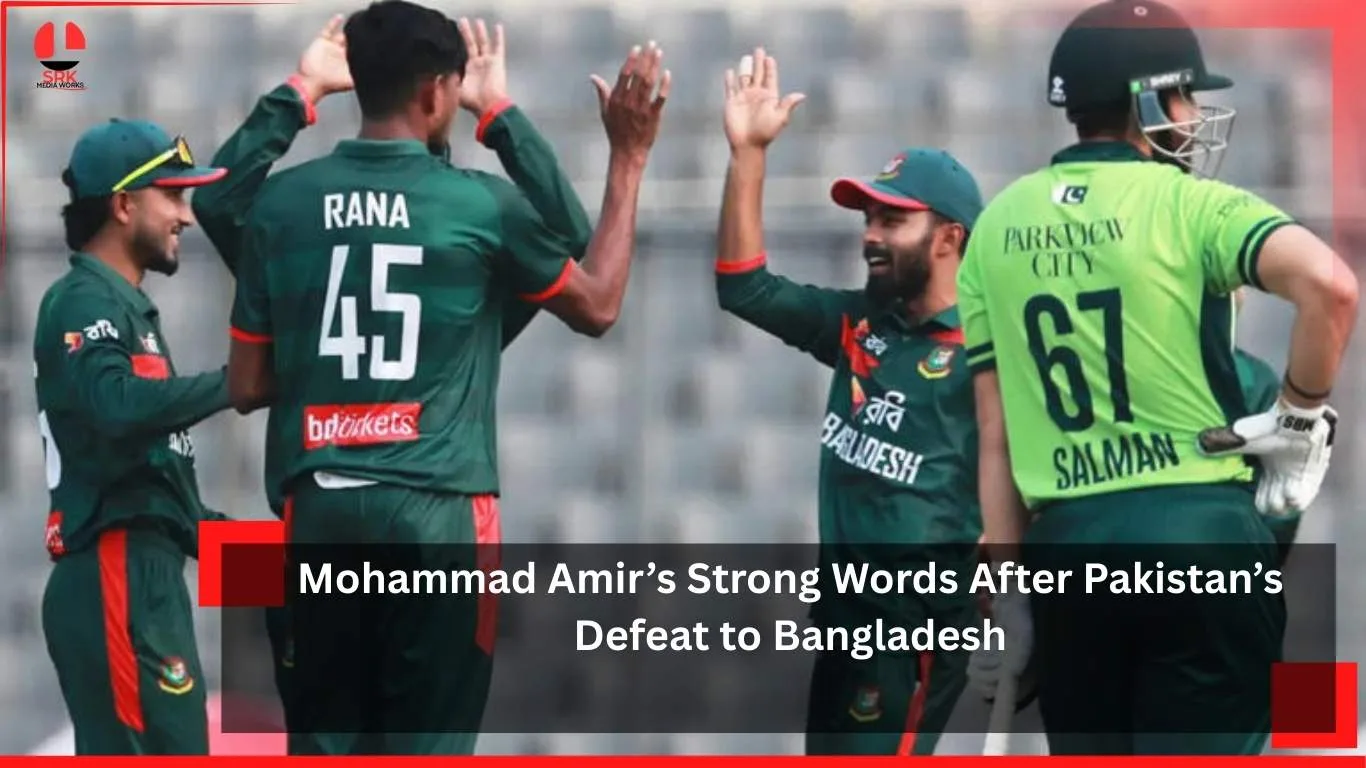



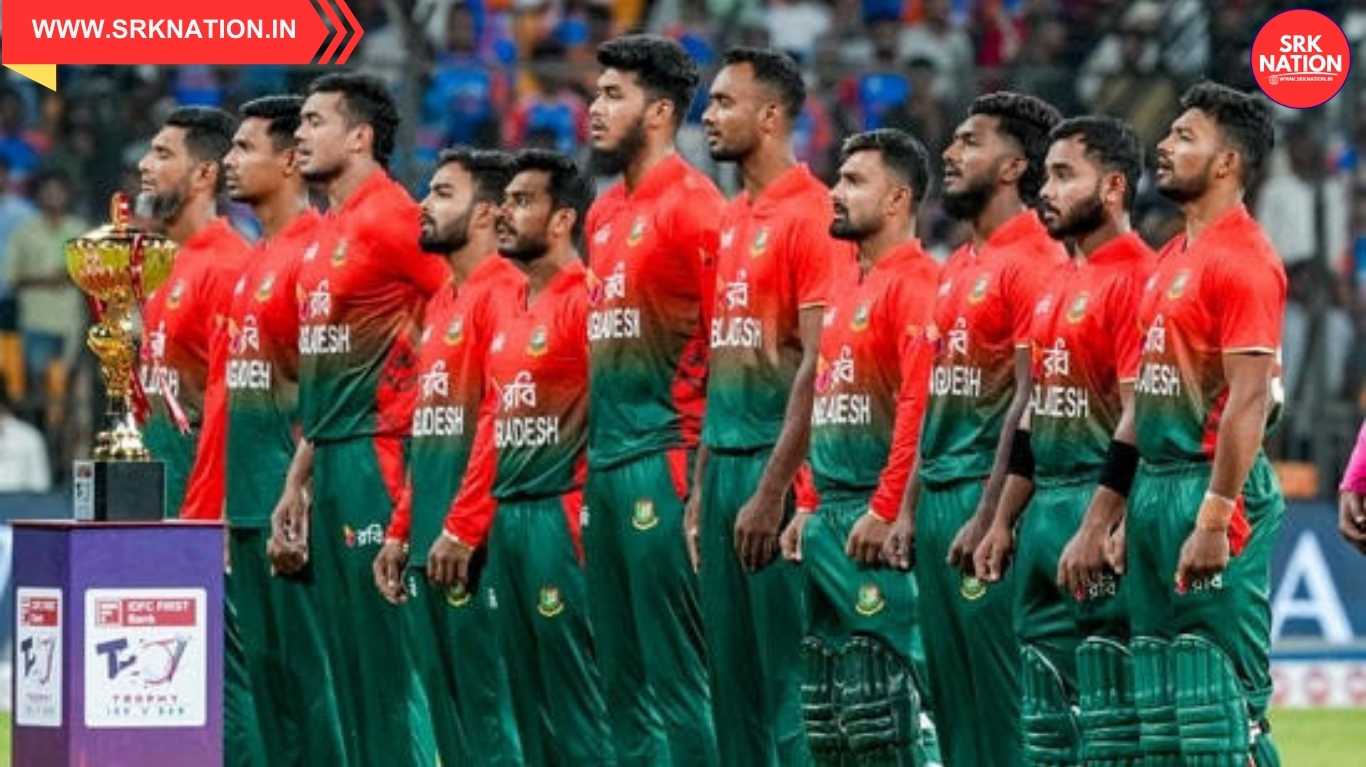
Bangladesh cricket has been thrown into turmoil after a dramatic reversal in the narrative surrounding its withdrawal from the ICC Men’s T20 World Cup 2026. Weeks after the announcement that Bangladesh would not participate in the tournament hosted by India and Sri Lanka, the country’s sports advisor Asif Nazrul clarified that the decision was not taken by the government, but rather by the players and the Bangladesh Cricket Board (BCB).
This revelation has stunned fans and analysts alike, as earlier statements suggested that the boycott was a government directive. Bangladesh’s absence from the tournament has already reshaped the competition, with Scotland replacing Bangladesh in the official line-up.
Key Highlights
- Initial Claim: Earlier, it was suggested that the Bangladesh government had ordered the boycott.
- Advisor’s U-Turn: Asif Nazrul now says the decision was made jointly by players and the BCB.
- ICC’s Response: No sanctions imposed; instead, ICC promised Bangladesh hosting rights for a future global event before 2031.
- Impact on Fans: Disappointment among supporters who see the boycott as a missed opportunity.
- Tournament Line-Up: Scotland has taken Bangladesh’s place in the T20 World Cup 2026.
Analysis of Bangladesh’s Boycott
| Factor | Initial Narrative | Revised Narrative | Outcome Observed |
|---|---|---|---|
| Decision Authority | Government directive | Players + BCB decision | Confusion, debate |
| ICC Reaction | Possible sanctions expected | No sanctions, hosting rights assured | Relief for BCB |
| Fan Sentiment | Anger at political interference | Disappointment at player-led choice | Mixed emotions |
| Tournament Impact | Bangladesh absent | Scotland included | Competitive reshuffle |
| Media Coverage | Focused on government role | Now highlights BCB-player decision | Narrative shift |
Comparative Analysis of Cricket Boycotts
| Country | Event Boycotted | Reason | Outcome |
|---|---|---|---|
| Bangladesh | T20 World Cup 2026 | Players + BCB decision | Replaced by Scotland, no ICC sanctions |
| Zimbabwe | 2003 ODI World Cup | Political turmoil | Sanctions, long-term impact |
| Sri Lanka | Tours in Pakistan | Security concerns | Temporary suspension, later resumed |
| South Africa | Apartheid era | Political isolation | Banned until 1991 |
Drivers Behind the Boycott
- Player Concerns: Possible security, political, or logistical issues raised by players.
- BCB’s Role: Board may have assessed risks and opted out to protect players.
- Tournament Politics: Hosting in India and Sri Lanka may have influenced the decision.
- ICC’s Balancing Act: Ensured Bangladesh was not punished, offering hosting rights instead.
- Public Pressure: Earlier government narrative may have been used to shield players and BCB from criticism.
Public and Media Reaction
- Fans in Bangladesh: Expressed disappointment, feeling deprived of seeing their team compete.
- Media: Highlighted the advisor’s U-turn as a major twist in the controversy.
- Analysts: Suggested the boycott reflects deeper issues within Bangladesh cricket governance.
- ICC: Praised for balancing fairness by avoiding sanctions and offering future hosting rights.
Future Outlook
- Bangladesh Cricket: Must rebuild trust with fans and clarify its governance processes.
- ICC Relations: Hosting rights before 2031 could restore Bangladesh’s standing.
- Player Morale: Needs to be addressed to ensure confidence in future tournaments.
- Regional Politics: Decision may continue to spark debate about cricket’s role in diplomacy.
Challenges ahead:
- Managing fan disappointment and restoring confidence.
- Ensuring transparency in decision-making between players, BCB, and government.
- Preparing for future ICC events with stronger commitment.
Conclusion
Bangladesh’s withdrawal from the T20 World Cup 2026 has taken a dramatic twist, with sports advisor Asif Nazrul clarifying that the boycott was a joint decision by players and the BCB, not the government. While the ICC has assured Bangladesh of future hosting rights, the controversy has left fans disillusioned and raised questions about cricket governance in the country. The episode underscores how cricket in South Asia remains deeply intertwined with politics, identity, and public sentiment.
Disclaimer
This article is intended for informational and analytical purposes only. It summarizes publicly available updates on Bangladesh’s withdrawal from the T20 World Cup 2026. It does not constitute insider information, endorsement, or professional consultation. Readers are encouraged to verify facts independently and consider multiple perspectives before forming conclusions.