








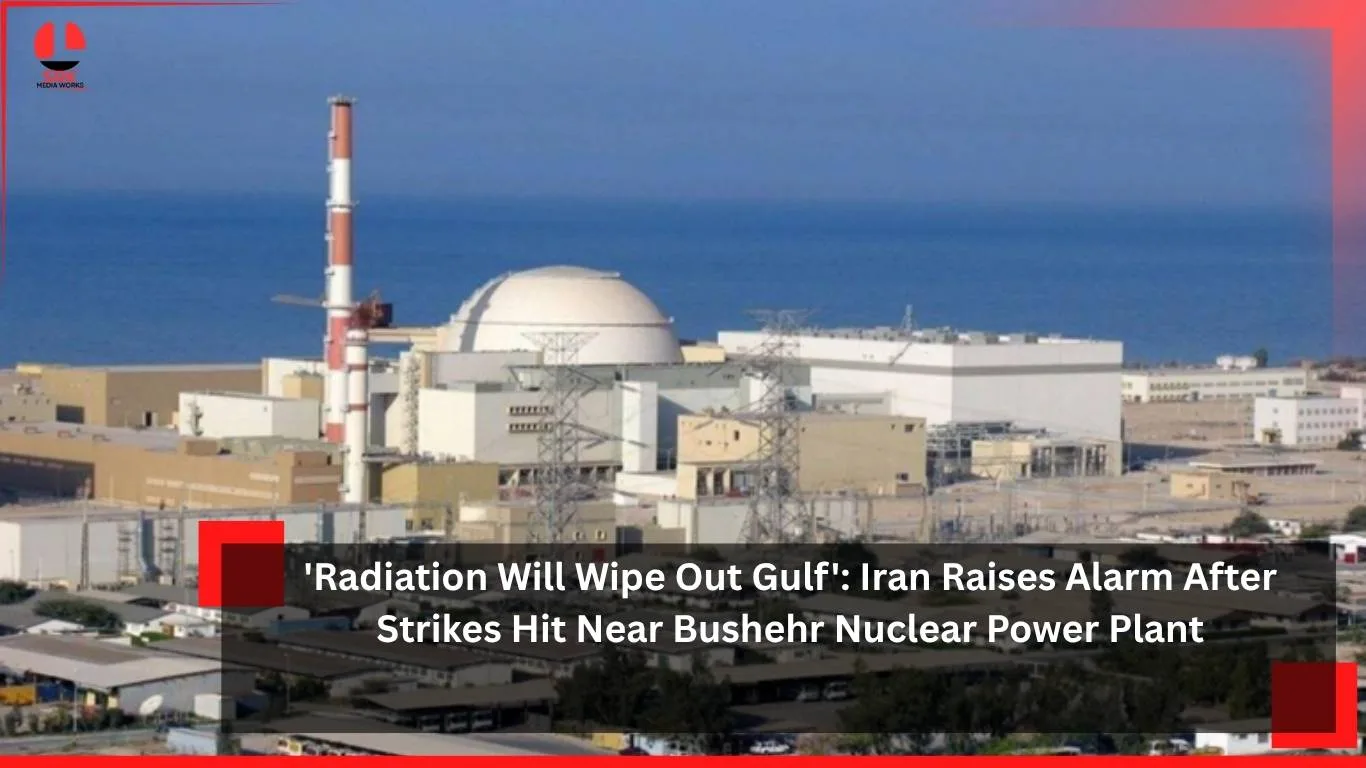
Iran has issued a stark warning after strikes near the Bushehr nuclear power plant, claiming that any damage to the facility could unleash radiation across the Gulf region. Officials in Tehran described the incident as a dangerous escalation, insisting that the consequences of an attack on nuclear infrastructure would be catastrophic not only for Iran but for neighboring countries dependent on Gulf waters and trade routes.
How the Incident Unfolded
- Location: Bushehr, Iran’s only operational nuclear power plant, situated on the Persian Gulf coast.
- Nature of Strikes: Explosions were reported near the facility, raising fears of potential damage to sensitive infrastructure.
- Iran’s Response: Officials warned that radiation leaks could devastate Gulf nations, disrupt oil exports, and trigger a humanitarian crisis.
- Global Reaction: International observers expressed concern, urging restraint and calling for independent verification of the damage.
Why Bushehr Matters
The Bushehr nuclear power plant is central to Iran’s energy strategy. Built with Russian assistance, it provides electricity to millions and symbolizes Iran’s technological ambitions. Any strike near the facility raises fears of nuclear contamination, similar to historical disasters like Chernobyl or Fukushima.
Potential Consequences of Radiation Release
- Humanitarian Impact: Radiation exposure could affect millions across Iran, Saudi Arabia, Bahrain, Qatar, and the UAE.
- Economic Fallout: Gulf oil exports could be disrupted, sending global energy prices soaring.
- Environmental Damage: Marine ecosystems in the Persian Gulf could suffer long-term contamination.
- Diplomatic Crisis: Escalation could draw in global powers, intensifying regional instability.
Comparative Analysis of Nuclear Incidents
| Incident | Year | Cause | Impact | Lessons Learned |
|---|---|---|---|---|
| Chernobyl, Ukraine | 1986 | Reactor Explosion | Widespread Radiation | Need for strict safety protocols |
| Fukushima, Japan | 2011 | Tsunami Damage | Radiation Leaks | Importance of disaster preparedness |
| Bushehr, Iran | 2026 | Military Strikes | Potential Regional Fallout | Risks of targeting nuclear sites |
Pivot Analysis of Risks
| Risk Factor | High Risk | Moderate Risk | Low Risk |
|---|---|---|---|
| Radiation Spread | ✔ | ||
| Regional Instability | ✔ | ||
| Energy Market Volatility | ✔ | ||
| Diplomatic Mediation | ✔ |
Regional and Global Reactions
- Iran: Condemned the strikes, warning of catastrophic consequences.
- Saudi Arabia & Gulf States: Expressed alarm over potential fallout, urging international intervention.
- United States & Allies: Called for restraint but emphasized monitoring Iran’s nuclear activities.
- International Atomic Energy Agency (IAEA): Urged transparency and offered to assess the situation.
Public Sentiment
| Stakeholder | Reaction | Sentiment (%) |
|---|---|---|
| Iranian Citizens | Fear, Anger | 85 Negative |
| Gulf Citizens | Anxiety | 80 Negative |
| Global Analysts | Concern | 90 Negative |
| Energy Markets | Volatile | 75 Negative |
Strategic Implications
- Security of Nuclear Facilities: The incident highlights vulnerabilities of nuclear plants in conflict zones.
- Energy Market Shockwaves: Any disruption in Gulf oil exports could destabilize global markets.
- Diplomatic Pressure: Calls for international mediation may intensify.
- Environmental Concerns: Long-term damage to Gulf ecosystems could affect fisheries and livelihoods.
Conclusion
Iran’s warning that “radiation will wipe out the Gulf” underscores the gravity of strikes near the Bushehr nuclear power plant. The incident raises urgent questions about the safety of nuclear facilities in volatile regions and the potential consequences of military escalation. As tensions rise, the world watches closely, aware that any miscalculation could have devastating global repercussions.
Disclaimer
This article is intended for informational purposes only. It summarizes reported developments and geopolitical analysis without endorsing or opposing any political stance. Readers are encouraged to consult multiple perspectives and authoritative sources before forming conclusions about sensitive international issues.


