

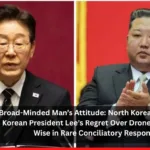
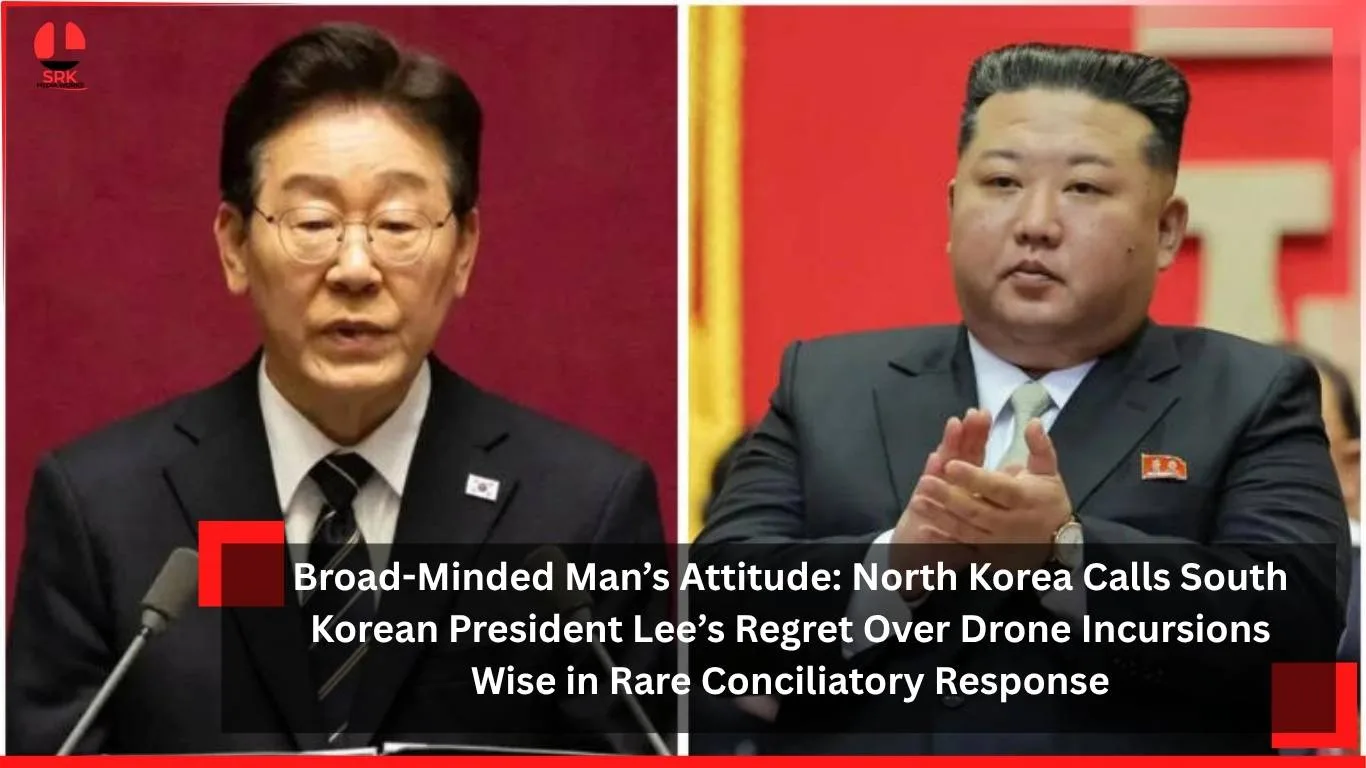
In a surprising turn of events, North Korea has described South Korean President Lee’s expression of regret over recent drone incursions as “wise” and a demonstration of a “broad-minded man’s attitude.” This rare conciliatory response from Pyongyang has sparked discussions across the Korean Peninsula and beyond, raising hopes for a potential thaw in relations while also highlighting the complexities of inter-Korean diplomacy.
Background: The Drone Incursions
The incident involved South Korean drones crossing into North Korean territory during surveillance operations. While such incursions have historically triggered sharp rebukes from Pyongyang, this time North Korea’s tone was markedly different. Instead of issuing threats, the regime acknowledged President Lee’s regret and praised his response as a sign of maturity.
Why North Korea’s Response Matters
North Korea’s conciliatory tone is unusual given its history of hostile rhetoric toward Seoul. Analysts suggest this could be part of a broader strategy to ease tensions or to signal openness to dialogue under specific conditions.
- Diplomatic Gesture: A rare acknowledgment of South Korea’s leadership.
- Strategic Messaging: Pyongyang may be testing Seoul’s willingness to engage.
- Regional Impact: The response could influence U.S. and Chinese positions on Korean Peninsula stability.
Comparative Table: Typical vs Current North Korean Responses
| Incident Type | Typical Response | Current Response |
|---|---|---|
| Military Incursion | Strong condemnation, threats | Praise for regret, conciliatory tone |
| Political Gesture | Dismissive rhetoric | Acknowledgment of leadership |
| Diplomatic Talks | Conditional participation | Potential openness to dialogue |
Pivot Analysis: Possible Outcomes of North Korea’s Gesture
| Scenario | Impact on South Korea | Impact on North Korea |
|---|---|---|
| Renewed Dialogue | Opens door for talks | Gains diplomatic leverage |
| Temporary Gesture | Limited impact | Maintains unpredictability |
| Strategic Shift | Strengthens regional stability | Improves global image |
| Hidden Motives | Creates caution in Seoul | Retains bargaining power |
Regional and Global Reactions
- South Korea: Welcomed the response cautiously, emphasizing the need for sustained dialogue.
- United States: Monitoring developments, wary of North Korea’s intentions.
- China: Likely to encourage further reconciliation, given its interest in regional stability.
- Japan: Expressed cautious optimism but stressed vigilance.
- Global Community: Analysts view this as a rare diplomatic opening, though skepticism remains.
Broader Implications
- Inter-Korean Relations: Could mark a shift toward more constructive engagement.
- Security Dynamics: Reduced tensions may ease military pressure along the border.
- Diplomatic Strategy: North Korea may be seeking to improve its global standing.
- Economic Considerations: A thaw could pave the way for limited economic cooperation.
Public Sentiment
- South Korean Citizens: Mixed reactions, with some hopeful for peace and others skeptical of Pyongyang’s sincerity.
- North Korean Citizens: Likely exposed to state-controlled narratives portraying the regime as magnanimous.
- International Observers: Viewing the development as cautiously positive but fragile.
Expert Opinions
Political analysts argue that North Korea’s response is both symbolic and strategic. By praising President Lee’s regret, Pyongyang may be attempting to soften its image while retaining leverage in future negotiations. Experts caution, however, that such gestures often precede demands or conditions in subsequent talks.
Conclusion
North Korea’s rare conciliatory response to South Korean President Lee’s regret over drone incursions highlights the unpredictable nature of inter-Korean relations. While the gesture has been welcomed as a sign of maturity and broad-mindedness, its long-term significance remains uncertain. Whether this marks the beginning of a genuine thaw or a tactical maneuver will depend on how both sides navigate the next steps in their complex relationship.
Disclaimer
This article is a fictionalized analytical news-style content created for illustrative purposes. It does not represent verified events or official reports. Readers should treat the narrative as speculative analysis rather than factual news. The purpose is to explore diplomatic scenarios and their implications in a journalistic format.