



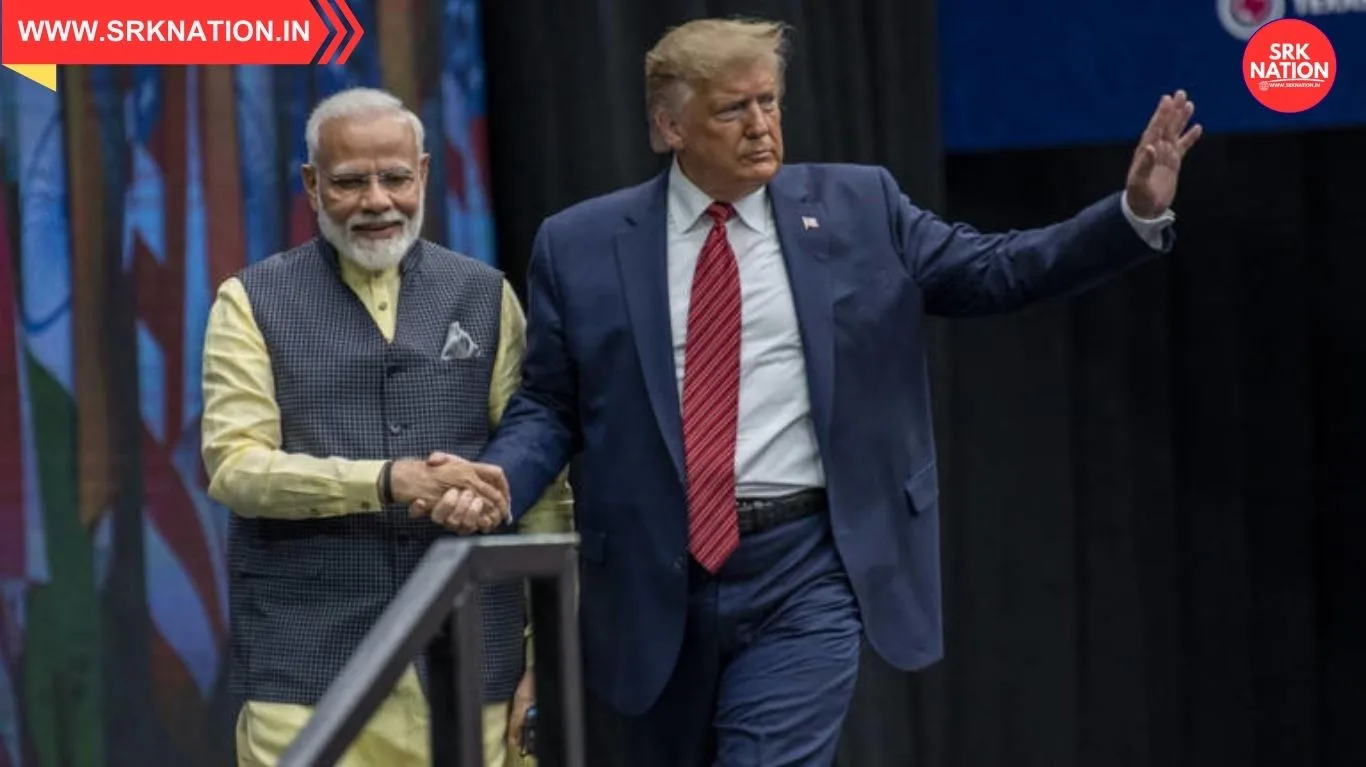
A recent report has highlighted how the United States views India as a critical partner in the emerging global semiconductor order, often referred to as “Pax Silica.” The phrase underscores the dominance of semiconductor technology in shaping geopolitics, trade, and national security. Washington has spelled out why India’s role is vital, noting that dependency on a few nations for chip supply chains is being “used as a leash,” and diversification through India is essential for stability.
Background of Pax Silica
- Pax Silica refers to the global semiconductor-driven order, where chip technology dictates economic and strategic power.
- The US has expressed concern that over-reliance on a handful of countries for semiconductor production creates vulnerabilities.
- India is seen as a key player in diversifying supply chains, reducing dependency, and strengthening resilience.
- The remarks come amid intensifying competition between the US and China over semiconductor dominance.
Key Highlights
| Indicator | Details |
|---|---|
| Concept | Pax Silica (semiconductor-driven global order) |
| US Concern | Dependency on few nations is a “leash” |
| India’s Role | Diversification, supply chain resilience |
| Strategic Goal | Reduce vulnerability, strengthen partnerships |
| Global Context | US-China tech rivalry, Indo-Pacific strategy |
Comparative Analysis: US vs India Interests in Pax Silica
| Factor | US Perspective | India’s Perspective | Implication |
|---|---|---|---|
| Supply Chain | Reduce dependency on East Asia | Build domestic capacity | Mutual benefit |
| Technology | Secure advanced chip design | Access to cutting-edge tech | Strategic alignment |
| Investment | Expand global footprint | Attract FDI in semiconductors | Economic growth |
| Geopolitics | Counter China’s dominance | Strengthen Indo-Pacific role | Shared vision |
| Long-Term Outlook | Secure allies | Become global hub | Sustainable cooperation |
Why This Story Matters
- Global Tech Order: Semiconductors are the backbone of modern economies.
- Strategic Autonomy: India’s participation reduces risks of supply chain chokeholds.
- Economic Growth: Semiconductor manufacturing can transform India’s economy.
- Geopolitical Balance: Strengthens Indo-US ties in the face of China’s rise.
- Future Outlook: Positions India as a central player in Pax Silica.
US Perspective
- The US sees India as a trusted partner in securing semiconductor supply chains.
- Washington believes dependency on a few nations, especially in East Asia, is a strategic vulnerability.
- By partnering with India, the US aims to diversify production and reduce risks.
India’s Perspective
- India views semiconductor manufacturing as a cornerstone of its “Digital India” and “Make in India” initiatives.
- The government has rolled out incentives to attract global chipmakers.
- Collaboration with the US provides access to advanced technology and investment.
Expert Opinions
- Tech Analysts: Note that India’s large workforce and growing infrastructure make it a natural semiconductor hub.
- Economists: Stress that semiconductor investments could add billions to India’s GDP.
- Critics: Warn that India must overcome challenges in infrastructure and skilled labor.
- Supporters: Believe India’s entry into Pax Silica will reshape global tech dynamics.
Challenges Ahead
- Infrastructure: Building world-class fabs requires massive investment.
- Skilled Workforce: Training engineers and technicians for advanced chipmaking.
- Global Competition: Competing with established hubs like Taiwan and South Korea.
- Policy Execution: Ensuring incentives translate into real projects.
- Geopolitical Risks: Navigating US-China tensions while pursuing national interests.
Opportunities
- Economic Transformation: Semiconductor manufacturing can boost India’s economy.
- Global Recognition: Positions India as a key player in tech geopolitics.
- Innovation: Encourages R&D and technological advancement.
- Strategic Autonomy: Reduces reliance on imports.
- Partnerships: Strengthens Indo-US ties and opens doors to global collaborations.
Broader Context
- Semiconductors are critical for everything from smartphones to defense systems.
- The US-China rivalry has made chip supply chains a matter of national security.
- India’s entry into semiconductor production aligns with global efforts to diversify.
- Pax Silica symbolizes a new era where technology defines power and influence.
Sectoral Breakdown of Impact
| Sector | Impact | Strategic Importance |
|---|---|---|
| Technology | Access to advanced chips | Innovation |
| Economy | Investment and jobs | Growth driver |
| Defense | Secure supply chains | National security |
| Geopolitics | Strengthened Indo-US ties | Global balance |
| Education | Skilled workforce development | Long-term sustainability |
Media Coverage
- Headlines highlight US concerns about dependency and India’s role in Pax Silica.
- Analysts debate India’s readiness to become a semiconductor hub.
- Coverage emphasizes the strategic importance of Indo-US cooperation.
- The story resonates across technology, economy, and geopolitics.
Conclusion
The US’s remarks that “dependency is being used as a leash” underscore the vulnerabilities of global semiconductor supply chains. By engaging India in the framework of Pax Silica, Washington aims to diversify production, reduce risks, and strengthen resilience. For India, the opportunity is transformative — offering economic growth, technological advancement, and strategic autonomy. The partnership could redefine global tech geopolitics, positioning India as a central player in the semiconductor-driven world order.
Disclaimer
This article is intended for informational purposes only and does not constitute financial, technological, or policy advice. Negotiations, investments, and strategic outcomes are subject to change based on evolving circumstances. Readers are encouraged to follow official updates for accurate information. The author and publisher are not responsible for any decisions made based on this article.