


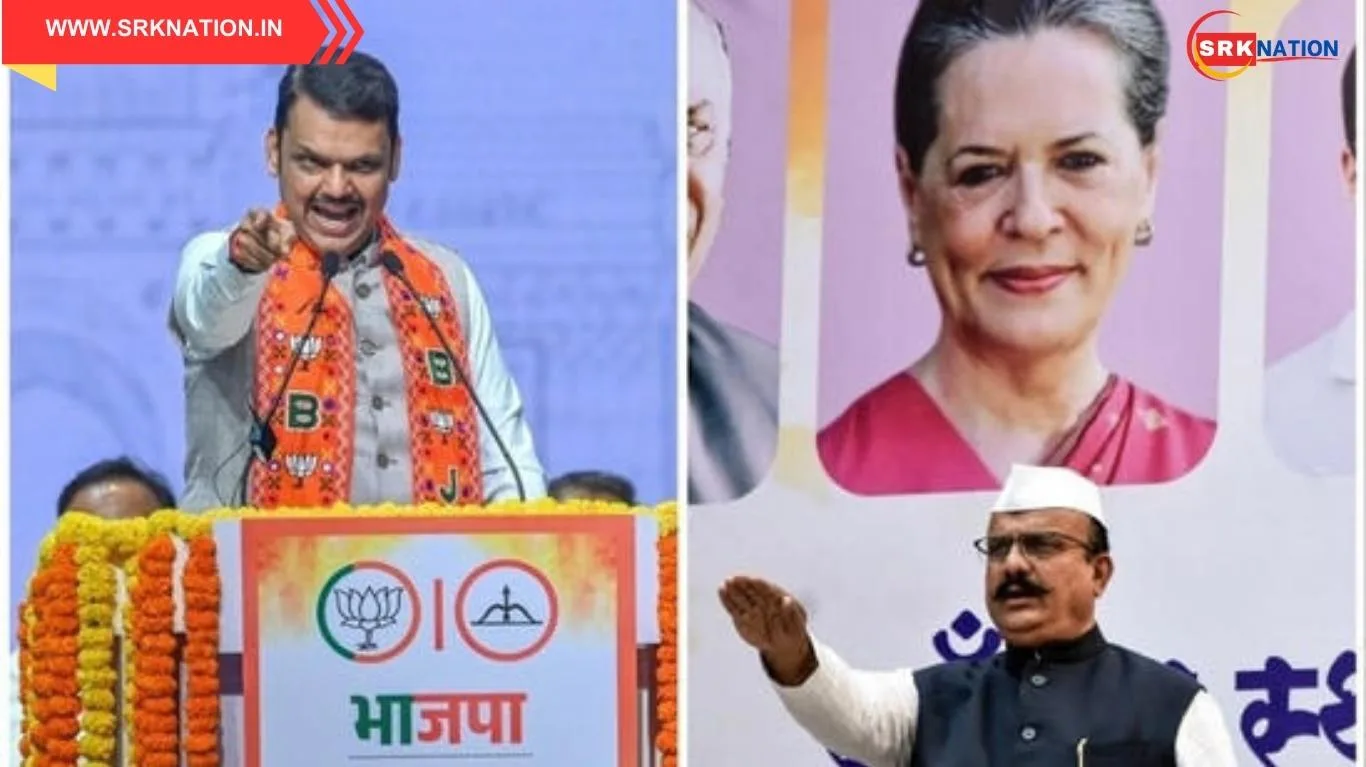
The political corridors of Maharashtra are abuzz with speculation that the Bharatiya Janata Party (BJP) and the Indian National Congress (INC) may have reached an understanding in select municipal polls. What was once considered unthinkable—two arch-rivals cooperating in any form—is now being discussed as a tactical move to counter regional parties and shifting voter dynamics. While no formal announcement has been made, the buzz itself has created ripples across the state’s political landscape.
Background of the Alliance Buzz
- Maharashtra’s municipal polls are critical as they set the tone for larger state-level contests.
- Traditionally, BJP and Congress have been fierce rivals, representing opposing ideological spectrums.
- However, the rise of regional players like Shiv Sena (Uddhav faction), Shiv Sena (Shinde faction), and the Nationalist Congress Party (split between Sharad Pawar and Ajit Pawar factions) has fragmented the political space.
- In this scenario, whispers of a tactical understanding between BJP and Congress in certain municipal bodies have emerged, aimed at preventing regional parties from gaining dominance.
Key Highlights of the Buzz
| Indicator | Details |
|---|---|
| Parties Involved | BJP and Congress |
| Context | Maharashtra municipal polls |
| Nature of Buzz | Tactical alliance in select constituencies |
| Objective | Counter regional parties, consolidate votes |
| Broader Impact | Could reshape Maharashtra’s political narrative |
Possible BJP-Congress Alliance in Maharashtra
| Factor | BJP’s Position | Congress’ Position | Regional Parties’ Reaction |
|---|---|---|---|
| Strategic Goal | Prevent regional dominance, retain influence | Regain relevance, counter regional splits | Alarmed, may consolidate further |
| Strengths | Strong organizational machinery, resources | Legacy presence, grassroots connect | Regional identity, local leadership |
| Weaknesses | Risk of alienating core voters | Risk of ideological compromise | Fragmentation, internal rivalries |
| Long-Term Implication | Tactical gains, possible backlash | Temporary revival, credibility questions | Could lose ground if alliance succeeds |
Why This Story Matters
- Political Shock Value: BJP and Congress working together is unprecedented in modern Indian politics.
- Electoral Strategy: Reflects the changing dynamics of Maharashtra’s municipal politics.
- Regional Impact: Could weaken Shiv Sena and NCP factions.
- Voter Sentiment: Raises questions about ideological consistency and tactical pragmatism.
- National Implications: Sets a precedent for unusual alliances in other states.
Reasons Behind the Buzz
- Fragmented Regional Politics: The split in Shiv Sena and NCP has created opportunities for tactical alliances.
- Municipal Stakes: Control of municipal bodies is crucial for local governance and resource allocation.
- Electoral Arithmetic: A combined BJP-Congress understanding could prevent vote division.
- Pragmatism Over Ideology: Both parties may prioritize immediate gains over ideological purity.
- Signal to Regional Players: Demonstrates willingness to experiment with unconventional strategies.
Expert Opinions
- Political Analysts: Stress that the buzz reflects desperation to counter regional fragmentation.
- Historians: Note that while rare, tactical cooperation between rivals has occurred in Indian politics before.
- Critics: Argue that such alliances undermine ideological clarity.
- Supporters: Emphasize the importance of pragmatism in municipal governance.
Challenges Ahead
- Ideological Contradictions: Reconciling BJP’s right-wing stance with Congress’ centrist-left ideology.
- Voter Backlash: Risk of alienating loyal supporters who see the parties as irreconcilable rivals.
- Organizational Resistance: Local cadres may resist cooperation.
- Media Scrutiny: Intense coverage could amplify contradictions.
- Regional Countermoves: Shiv Sena and NCP factions may exploit the alliance buzz to consolidate support.
Opportunities for Both Parties
- Electoral Gains: Prevent regional parties from dominating municipal bodies.
- Resource Control: Secure influence over local governance and finances.
- Strategic Experimentation: Test unconventional alliances for future contests.
- Political Messaging: Signal flexibility and pragmatism to voters.
- National Precedent: Explore similar tactical moves in other fragmented states.
Broader Context of Maharashtra Politics
- Maharashtra has long been a battleground of national and regional parties.
- The Shiv Sena split and NCP division have created a fluid political environment.
- BJP seeks to consolidate its position, while Congress aims to regain relevance.
- Municipal polls serve as a testing ground for strategies ahead of assembly and parliamentary elections.
Public Sentiment
- Voters express mixed reactions, with some welcoming pragmatism and others criticizing ideological compromise.
- BJP loyalists worry about diluting the party’s ideological clarity.
- Congress supporters see the buzz as a chance to regain influence.
- Regional party supporters highlight the alliance as opportunistic.
Media Coverage
- Headlines emphasize the “impossible” nature of BJP-Congress cooperation.
- Analysts debate the feasibility and implications of the buzz.
- Coverage highlights the potential impact on Shiv Sena and NCP factions.
- The story continues to dominate discussions in political and media circles.
Conclusion
The buzz around a possible BJP-Congress alliance in Maharashtra municipal polls reflects the fluidity and unpredictability of the state’s politics. While no formal alliance has been confirmed, the speculation itself underscores the challenges posed by fragmented regional parties and the importance of municipal bodies in shaping political fortunes. Whether the impossible truly happens or remains mere buzz, the episode highlights the evolving nature of Indian politics, where pragmatism often trumps ideology.
Disclaimer
This article is intended for informational purposes only and does not constitute political endorsement or criticism. Political strategies, voter sentiments, and party decisions are subject to change based on evolving circumstances. Readers are encouraged to follow official updates for accurate information. The author and publisher are not responsible for any decisions made based on this article.