







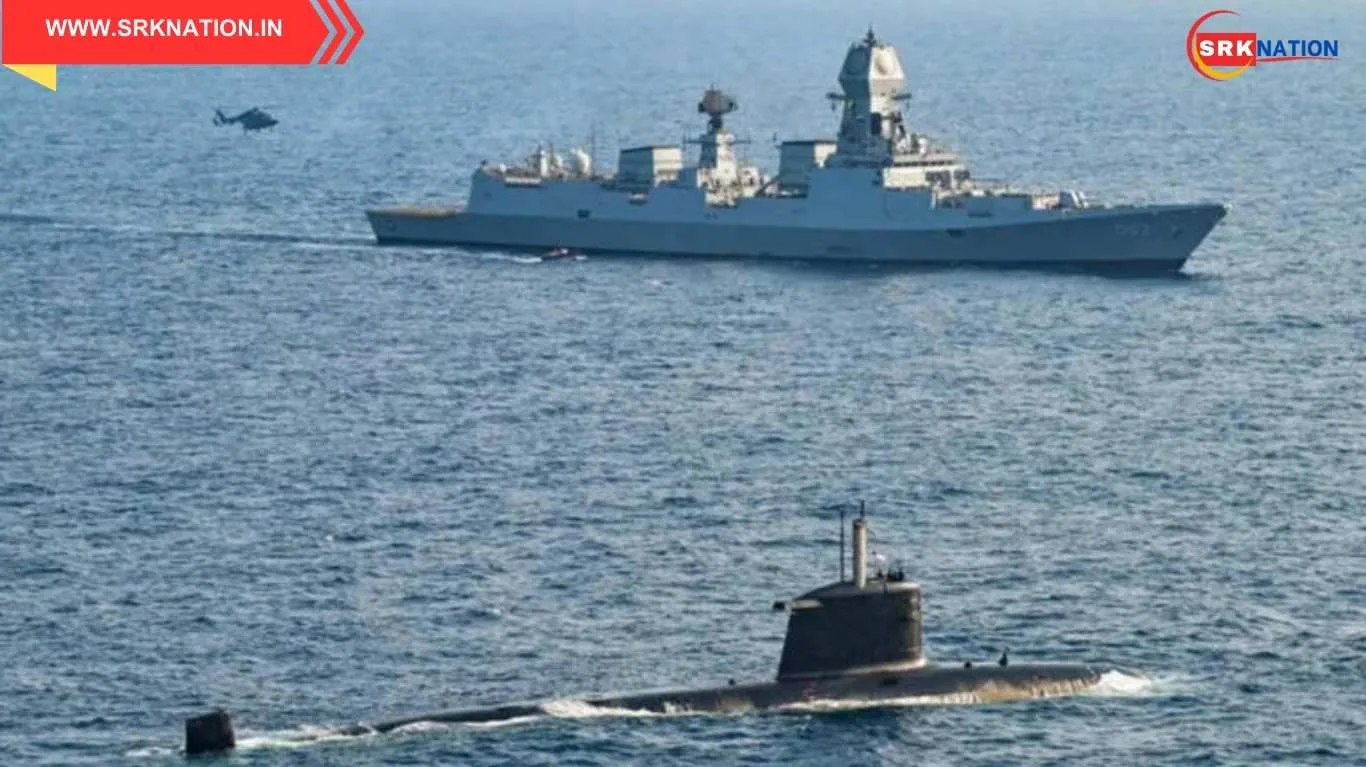
The recent BRICS naval drill in the Indian Ocean off South Africa has drawn global attention, not only for the participation of major powers like China, Russia, Brazil, and South Africa, but also for the conspicuous absence of India. As one of the founding members of BRICS and a key Indian Ocean power, New Delhi’s decision to skip the exercise has sparked debate among analysts, diplomats, and defense experts.
Background of the Naval Drill
- The BRICS naval drill was organized to enhance maritime cooperation, strengthen naval interoperability, and project collective presence in the Indian Ocean.
- South Africa hosted the exercise, with China and Russia sending significant naval assets, while Brazil contributed symbolic participation.
- India, however, chose not to send its ships, raising questions about the reasons behind its absence.
- The drill was seen as a symbolic show of BRICS unity, but India’s absence diluted the message of collective strength.
Key Highlights of the Drill
| Indicator | Details |
|---|---|
| Host Nation | South Africa |
| Participants | China, Russia, Brazil, South Africa |
| Absent Member | India |
| Objective | Maritime cooperation, naval interoperability |
| Broader Impact | Raises questions about India’s strategic priorities |
India’s Absence from BRICS Naval Drill
| Factor | India’s Position | Impact on BRICS | Global Implication |
|---|---|---|---|
| Strategic Autonomy | Maintains independent naval policy | Weakens BRICS unity | Reinforces India’s non-alignment |
| Defense Priorities | Focus on Indo-Pacific alliances | Limits BRICS naval strength | Strengthens Quad and regional ties |
| Diplomatic Messaging | Avoids alignment with Russia-China bloc | Creates perception of division | Signals balance between West and BRICS |
| Domestic Considerations | Resource allocation, operational focus | Reduces Indian Ocean presence | Highlights India’s cautious approach |
| Long-Term Implication | Preserves flexibility | Challenges BRICS cohesion | Shapes India’s global maritime narrative |
Why This Story Matters
- Geopolitical Significance: The Indian Ocean is a critical maritime zone for global trade and security.
- India’s Role: As a major Indian Ocean power, India’s absence is strategically significant.
- BRICS Unity: Raises questions about cohesion within BRICS amid global tensions.
- Global Narratives: Reflects India’s balancing act between BRICS and Western alliances.
- Future Outlook: Sets the tone for India’s maritime diplomacy in 2026 and beyond.
Reasons Behind India’s Absence
- Strategic Autonomy: India has consistently emphasized independent decision-making in defense and foreign policy.
- Quad Priorities: India’s growing engagement with the Quad (US, Japan, Australia, India) may have influenced its decision.
- Russia-China Factor: India may have sought to avoid being seen as aligning too closely with Russia and China amid global tensions.
- Operational Constraints: Resource allocation and domestic priorities could have limited India’s ability to participate.
- Diplomatic Messaging: India’s absence sends a signal of cautious engagement with BRICS military initiatives.
Expert Opinions
- Defense Analysts: Stress that India’s absence reflects its focus on Indo-Pacific alliances.
- Diplomats: Highlight India’s balancing act between BRICS and Western partners.
- Critics: Argue that skipping the drill weakens India’s influence within BRICS.
- Supporters: Emphasize the importance of strategic autonomy and independent decision-making.
Challenges Ahead
- For BRICS: Maintaining unity amid divergent strategic priorities.
- For India: Balancing BRICS commitments with Indo-Pacific alliances.
- For Global Powers: Interpreting India’s absence in the context of global geopolitics.
- For Diplomacy: Managing perceptions of division within BRICS.
- For Defense Strategy: Ensuring India’s maritime presence remains strong despite non-participation.
Opportunities for India
- Strengthen Quad Engagement: Reinforce ties with Indo-Pacific partners.
- Preserve Strategic Autonomy: Maintain flexibility in global alliances.
- Focus on Domestic Priorities: Allocate resources to pressing national defense needs.
- Shape Global Narratives: Position India as a balanced and independent actor.
- Future Participation: Keep options open for selective engagement in BRICS military initiatives.
Broader Context of BRICS and Global Geopolitics
- BRICS has sought to project unity amid global tensions, but divergent priorities remain.
- China and Russia’s growing military cooperation contrasts with India’s cautious approach.
- Brazil and South Africa play symbolic roles, but India’s absence is strategically significant.
- The drill reflects broader challenges in aligning BRICS members on defense and security.
Public Sentiment
- Indian citizens expressed mixed views, with some supporting strategic autonomy and others questioning the absence.
- BRICS supporters highlighted the need for unity, while critics pointed to India’s balancing act.
- Global observers interpreted India’s absence as a signal of its Indo-Pacific focus.
- Overall sentiment reflected cautious optimism about India’s strategic choices.
Media Coverage
- Headlines emphasized India’s absence from the BRICS naval drill.
- Analysts debated the reasons behind New Delhi’s decision.
- Coverage highlighted the implications for BRICS unity and global geopolitics.
- The story continues to dominate discussions in defense and diplomatic circles.
Conclusion
The BRICS naval drill off South Africa in the Indian Ocean, marked by India’s absence, underscores the complexities of global geopolitics in 2026. While China, Russia, Brazil, and South Africa showcased maritime cooperation, India’s decision to skip the exercise reflects its emphasis on strategic autonomy, Indo-Pacific priorities, and cautious engagement with BRICS military initiatives. The move highlights India’s balancing act between global alliances and its independent defense strategy, shaping the future of its maritime diplomacy.
Disclaimer
This article is intended for informational purposes only and does not constitute political endorsement or criticism. Diplomatic strategies, defense priorities, and public sentiments are subject to change based on evolving circumstances. Readers are encouraged to follow official updates for accurate information. The author and publisher are not responsible for any decisions made based on this article.