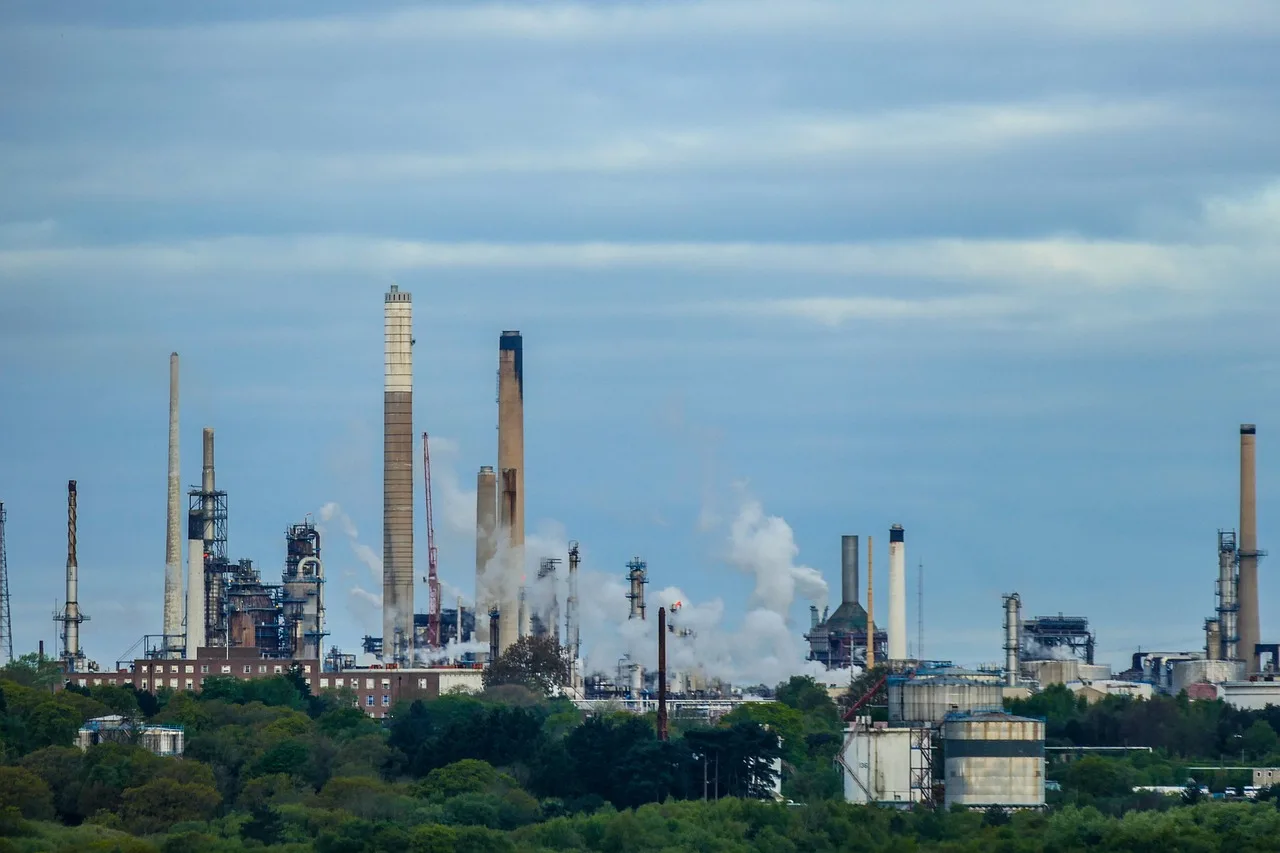





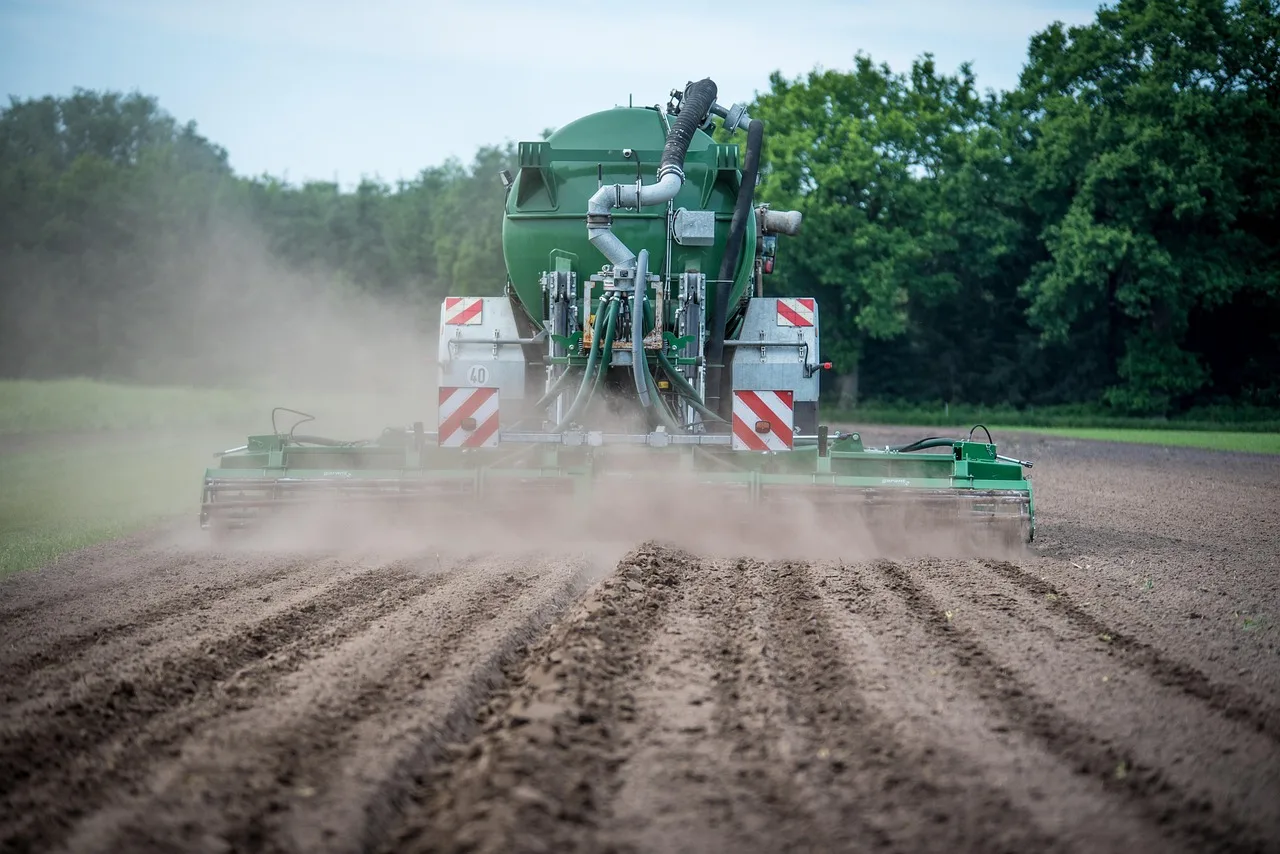
Domestic urea production in India has rebounded to last year’s levels, with April output hitting 21 lakh tonnes, marking a significant recovery after a dip in March. The restoration of natural gas supplies and robust import assurances have ensured ample fertilizer availability for the upcoming kharif crop season, shielding farmers from global price hikes.
Context
Urea, a critical fertilizer for agriculture, faced production challenges earlier this year due to disruptions in natural gas supplies, a key raw material. The March dip in output raised concerns about shortages during the crucial kharif planting season, which begins in June. The government swiftly intervened to restore gas supplies and secure imports, stabilizing the situation.
Main Body
The recovery in urea production comes at a crucial time, as farmers prepare for the kharif season, which accounts for a significant portion of India’s agricultural output. The Ministry of Fertilizers confirmed that the April output of 21 lakh tonnes matches last year’s production levels, ensuring sufficient stocks for the season.
Experts attribute the rebound to the government’s proactive measures, including restoring natural gas supplies and securing urea imports. “The timely restoration of gas supplies and strategic imports have played a pivotal role in stabilizing urea availability,” said Dr. Rajesh Kumar, an agricultural economist.
Global urea prices have surged due to supply chain disruptions and geopolitical tensions, but India’s domestic production and import strategy have insulated farmers from these hikes. “This ensures that farmers can access urea at stable prices, which is crucial for maintaining agricultural productivity,” added Kumar.
Expert Perspectives
Data from the Fertilizer Association of India (FAI) shows that urea consumption during the kharif season typically exceeds 150 lakh tonnes. With domestic production back on track and imports secured, the government is confident of meeting this demand. “The combination of domestic output and imports ensures that there will be no shortage,” said an FAI spokesperson.
Global urea prices have risen by over 30% in the past year, driven by supply constraints and increased demand. However, India’s focus on self-sufficiency and strategic imports has mitigated the impact on domestic markets.
Implications
The rebound in urea production is a positive development for India’s agricultural sector, ensuring farmers have access to affordable fertilizers during the critical kharif season. This stability is expected to support crop yields and maintain food security.
Looking ahead, the government plans to further strengthen domestic production capabilities and reduce reliance on imports. Investments in gas infrastructure and fertilizer plants are expected to enhance long-term self-sufficiency.