

Tensions flared in Tripura’s Dhalai district this week as hundreds of indigenous youths staged a black-flag protest against Leader of the Opposition and CPI(M) state secretary Jitendra Chaudhury, accusing him of disrespecting the traditional handwoven tribal attire known as the “Risha.” The protest, which took place near Nailaha Bari on National Highway 8 in Ambassa, has ignited a fresh wave of cultural and political debate in the tribal-dominated region.
The demonstrators, comprising both men and women from various tribal communities, blocked Chaudhury’s convoy for nearly half an hour, shouting slogans such as “Go Back” and “Jobab Dao” (Give Us Answers). Security forces, including Tripura State Rifles (TSR), were deployed to manage the situation and eventually escorted Chaudhury past the protest site without incident.
What Sparked the Controversy?
The protest was triggered by a photograph circulating on social media that allegedly showed Jitendra Chaudhury sitting on a sofa with a Risha draped over the headrest. The image was interpreted by many tribal youths as a sign of disrespect toward the Risha, which holds deep cultural and emotional significance for Tripura’s indigenous communities.
| Cultural Item | Description | Traditional Use | Symbolic Meaning |
|---|---|---|---|
| Risha | Handwoven cloth | Worn by tribal women as upper garment or headgear | Dignity, heritage, identity |
The Risha is not merely a piece of clothing—it is a symbol of pride, honor, and ancestral legacy. Many tribal leaders and cultural activists have worked for decades to preserve and promote its significance, including efforts to secure a Geographical Indication (GI) tag for the attire.
Voices from the Ground
Speaking to reporters at the protest site, one youth activist said, “Jitendra Chaudhury has insulted the Risha. He must apologize. Otherwise, we will intensify the movement across the state.” The sentiment was echoed by others who viewed the incident as emblematic of a broader disregard for tribal identity and customs.
Interestingly, the protestors carried no party flags, signaling that the outrage transcended political affiliations. However, BJP’s Janajati Morcha shared videos of the protest on social media, amplifying the narrative and calling for accountability.
Chaudhury’s Response and Political Fallout
Jitendra Chaudhury has categorically denied the allegations, calling them politically motivated and orchestrated by the ruling BJP. “When I was the Information and Cultural Affairs Minister, I officially introduced Risha in Tripura. Even today, I keep a Risha along my spine as a symbol of respect for the tribals,” he stated.
He further criticized the BJP for allegedly staging the protest to divert attention from pressing governance issues. “If they are so concerned about democracy, why are they not holding village committee elections?” he asked, turning the spotlight back on the ruling party’s administrative lapses.
| Political Figure | Statement | Allegation Response | Political Implication |
|---|---|---|---|
| Jitendra Chaudhury | Denied disrespect | Claims protest is BJP-driven | Accuses BJP of deflection |
| BJP Janajati Morcha | Shared protest videos | Demands apology | Positions BJP as tribal ally |
Cultural Sensitivity and Political Symbolism
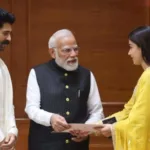
The incident has reignited discussions about the role of cultural symbols in political discourse. The Risha, once confined to ceremonial use, has gained prominence in recent years, with leaders across party lines—including Prime Minister Narendra Modi—seen wearing it during public events.
However, the controversy also highlights the fine line between cultural appropriation and genuine respect. While some leaders have embraced tribal attire to signal inclusivity, others have been accused of using it as a political prop.
| Event | Leader Involved | Use of Risha | Public Reaction |
|---|---|---|---|
| PM Modi’s Tripura Visit | Narendra Modi | Wore Risha around neck | Widely appreciated |
| CPI(M) Media Interaction | Jitendra Chaudhury | Risha on sofa headrest | Viewed as disrespectful |
Broader Implications for Tribal Politics
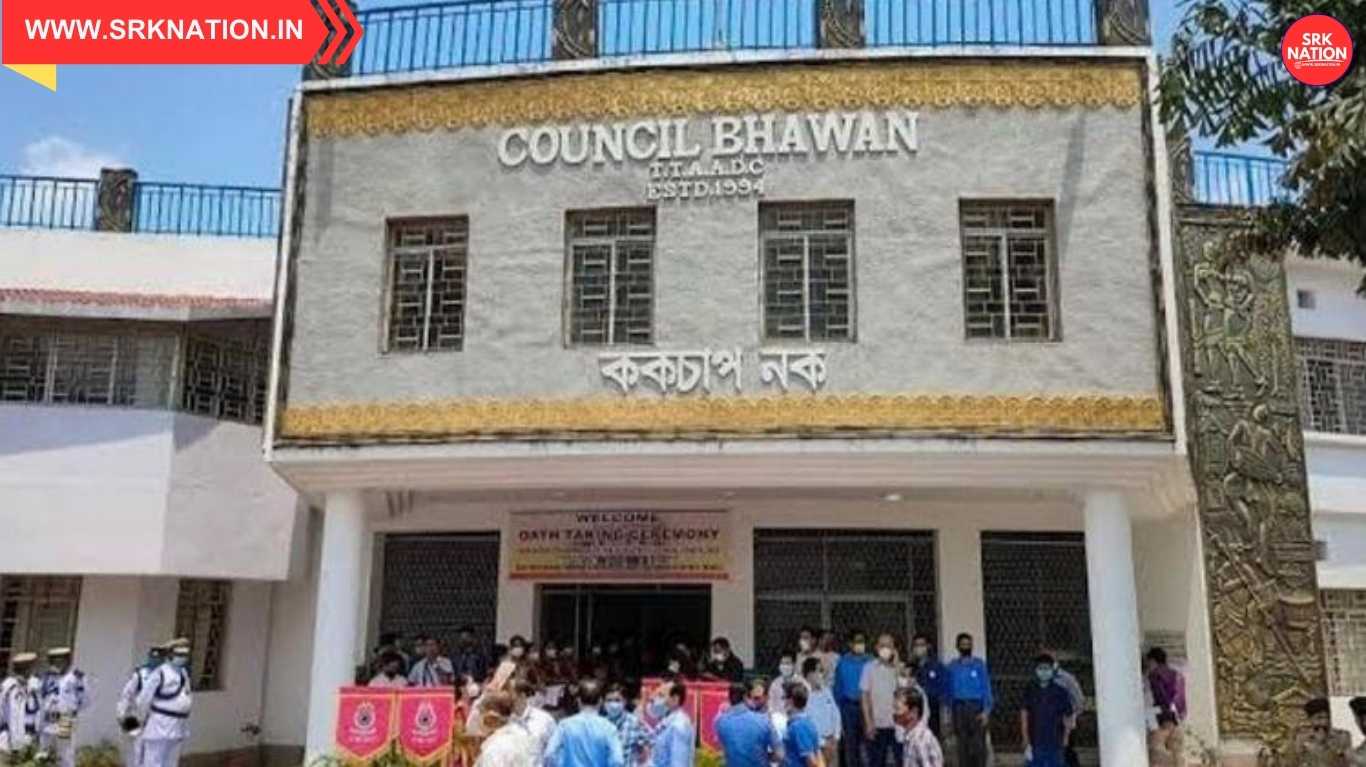
Tripura’s tribal communities have long felt marginalized in mainstream politics. The emergence of TIPRA Motha and its demand for a “constitutional solution” has brought tribal issues to the forefront. This latest protest adds another layer to the ongoing struggle for recognition, dignity, and representation.
Political analysts suggest that the incident could influence upcoming electoral dynamics, especially in tribal constituencies where cultural identity plays a pivotal role.
| Region | Tribal Population (%) | Political Sensitivity | Key Issues |
|---|---|---|---|
| Dhalai | 55% | High | Land rights, cultural respect |
| North Tripura | 48% | Moderate | Education, employment |
| South Tripura | 42% | High | Autonomy, heritage preservation |
Youth Mobilization and Future Actions
The protest was led primarily by indigenous youth groups, signaling a generational shift in tribal activism. Leaders like David Murasingh, who recently completed a 2,500 km Pedal Yatra to Delhi, have inspired a wave of civic engagement among tribal youth.
Organizers of the Ambassa protest have announced plans to hold similar demonstrations across Tripura if an apology is not issued. They also plan to submit a memorandum to the Governor and the Tribal Welfare Department demanding formal recognition of the Risha’s cultural status.
| Youth Leader | Initiative | Impact |
|---|---|---|
| David Murasingh | Pedal Yatra to Delhi | Raised awareness on tribal rights |
| Local Youth Groups | Ambassa Protest | Sparked statewide mobilization |
Conclusion
The black-flag protest against Tripura’s Leader of the Opposition over alleged disrespect to the Risha is more than a political skirmish—it is a reflection of deep-rooted cultural pride and the demand for dignity. As tribal communities continue to assert their identity, political leaders must tread carefully and respectfully.
Whether the incident leads to an apology, a policy shift, or further polarization remains to be seen. But one thing is clear: the Risha is not just a cloth—it is a symbol of a people’s soul, and any perceived slight against it will not go unnoticed.
Disclaimer: This article is based on publicly available news reports and political statements. All allegations and interpretations are subject to legal and factual review. Individuals named are presumed innocent unless proven otherwise in a court of law.