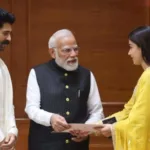

In a progressive move aimed at empowering young athletes, the Meghalaya Cricket Association (MCA) has formally submitted a proposal to the state government seeking academic flexibility for student cricketers. The initiative, presented during a high-level meeting with Chief Minister Conrad K Sangma in Nongpoh on November 11, 2025, highlights the growing challenges faced by school-going athletes who struggle to balance rigorous academic demands with the demanding domestic cricket calendar set by the Board of Control for Cricket in India (BCCI).
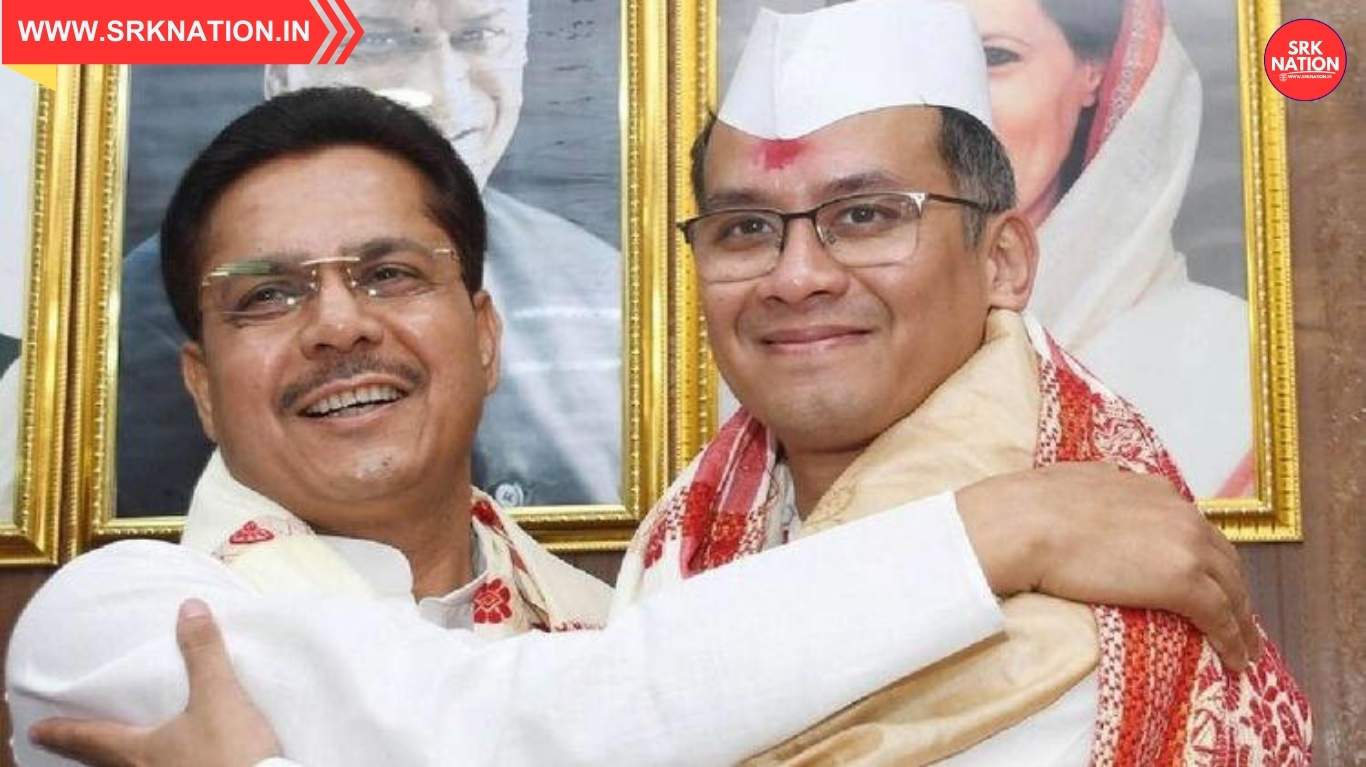
Led by MCA Honorary Secretary Rayonald Kharkamni, the delegation included Sports and Youth Affairs Minister Wailadmiki Shylla and Adviser to the CM Hamletson Dohling, who also serves as President of the Meghalaya Football Association. The proposal received a positive response, with the Chief Minister assuring that the matter would be “considered very closely”.
The Case for Academic Flexibility
The MCA’s appeal is rooted in the reality that student athletes often miss classes, exams, and academic milestones due to extended training camps, inter-state tournaments, and national-level competitions. These absences can jeopardize their academic standing and future prospects, creating a dilemma between pursuing sports and maintaining educational continuity.
| Challenge Faced by Student Athletes | Description | Impact on Students |
|---|---|---|
| Overlapping Schedules | BCCI tournaments coincide with school terms | Missed classes and exams |
| Lack of Academic Support | No special provisions for athletes | Academic penalties, reduced performance |
| Limited Communication | Schools unaware of sports commitments | Misunderstandings, lack of empathy |
| Mental Stress | Pressure to perform in both domains | Burnout, anxiety, reduced focus |
The MCA emphasized that without institutional support, many talented cricketers are forced to choose between academics and sports, often at the cost of their athletic careers.
Proposed Solutions by MCA
The MCA’s proposal outlines a framework for academic flexibility that includes:
- Special attendance waivers for athletes participating in recognized tournaments.
- Alternative exam schedules for students engaged in long-duration camps.
- Credit-based academic models that factor in sports achievements.
- Coordination between schools and sports bodies to streamline athlete support.
| Proposed Measure | Objective | Beneficiary Group |
|---|---|---|
| Attendance Waiver | Prevent academic penalties | School-going cricketers |
| Rescheduled Exams | Ensure fair academic evaluation | Athletes in national camps |
| Sports Credit System | Recognize athletic achievements | All student athletes |
| School-Sports Coordination | Improve communication and planning | Teachers, coaches, administrators |
These measures aim to create a more inclusive academic environment that nurtures both educational and athletic excellence.
Government’s Response and Broader Implications
Chief Minister Conrad Sangma’s assurance has sparked optimism among sports stakeholders. If implemented, the policy could extend beyond cricket to benefit athletes from football, athletics, boxing, and other disciplines.
| Stakeholder | Reaction |
|---|---|
| CM Conrad Sangma | “Will be considered very closely” |
| MCA Officials | “Encouraged by the government’s openness” |
| Student Athletes | “Hopeful for a balanced future” |
| School Principals | “Need clear guidelines and coordination” |
The initiative also aligns with Meghalaya’s broader vision of promoting youth development through sports, as outlined in the state’s Sports Policy 2023.
Comparative Models: Academic Flexibility in Other States
Several Indian states have already introduced athlete-friendly academic policies. The MCA’s proposal draws inspiration from these models:
| State | Policy Highlights | Impact on Athletes |
|---|---|---|
| Kerala | Sports quota in exams and attendance waivers | Increased participation in school sports |
| Maharashtra | Flexible exam schedules for national athletes | Better academic retention |
| Tamil Nadu | Sports credit system for board exams | Recognition of sports achievements |
| Meghalaya | Proposal under review | Potential for inclusive reform |
By adopting similar frameworks, Meghalaya can position itself as a leader in athlete welfare and educational innovation.
Voices from the Field: Athletes and Educators Speak
Student cricketers and coaches have welcomed the proposal, citing real-life struggles in managing dual commitments.
“I missed my mid-term exams because of the U-19 camp. My school didn’t allow me to retake them,” said Rohan, a Class 11 student and state-level cricketer.
Coach D. Marak added, “We’ve lost many talented players because they couldn’t keep up with school. This policy could change that.”
Educators, while supportive, have called for clear implementation guidelines to avoid administrative confusion.
Long-Term Vision: Building a Sports-Education Ecosystem
The MCA’s proposal is not just a short-term fix—it’s a blueprint for a sustainable sports-education ecosystem. By integrating sports into academic planning, Meghalaya can:
- Encourage more youth participation in sports
- Reduce dropout rates among student athletes
- Improve India’s representation in national and international competitions
- Foster holistic development among students
| Strategic Goal | Expected Outcome |
|---|---|
| Inclusive Education | Higher retention of student athletes |
| Sports Promotion | Increased medal tally and representation |
| Youth Empowerment | Balanced personal and professional growth |
| State Reputation | Recognition as a sports-friendly region |
Conclusion
The Meghalaya Cricket Association’s push for academic flexibility marks a pivotal moment in the intersection of sports and education. With the Chief Minister’s assurance and growing public support, the proposal has the potential to transform the lives of countless student athletes. As the state deliberates on implementation, the nation watches closely—hoping that Meghalaya’s model could become a template for athlete empowerment across India.
Disclaimer: This article is intended for informational purposes only. The views and projections mentioned are based on current data and public statements and are subject to change. Readers are advised to consult official government notifications and education policies for verified updates.