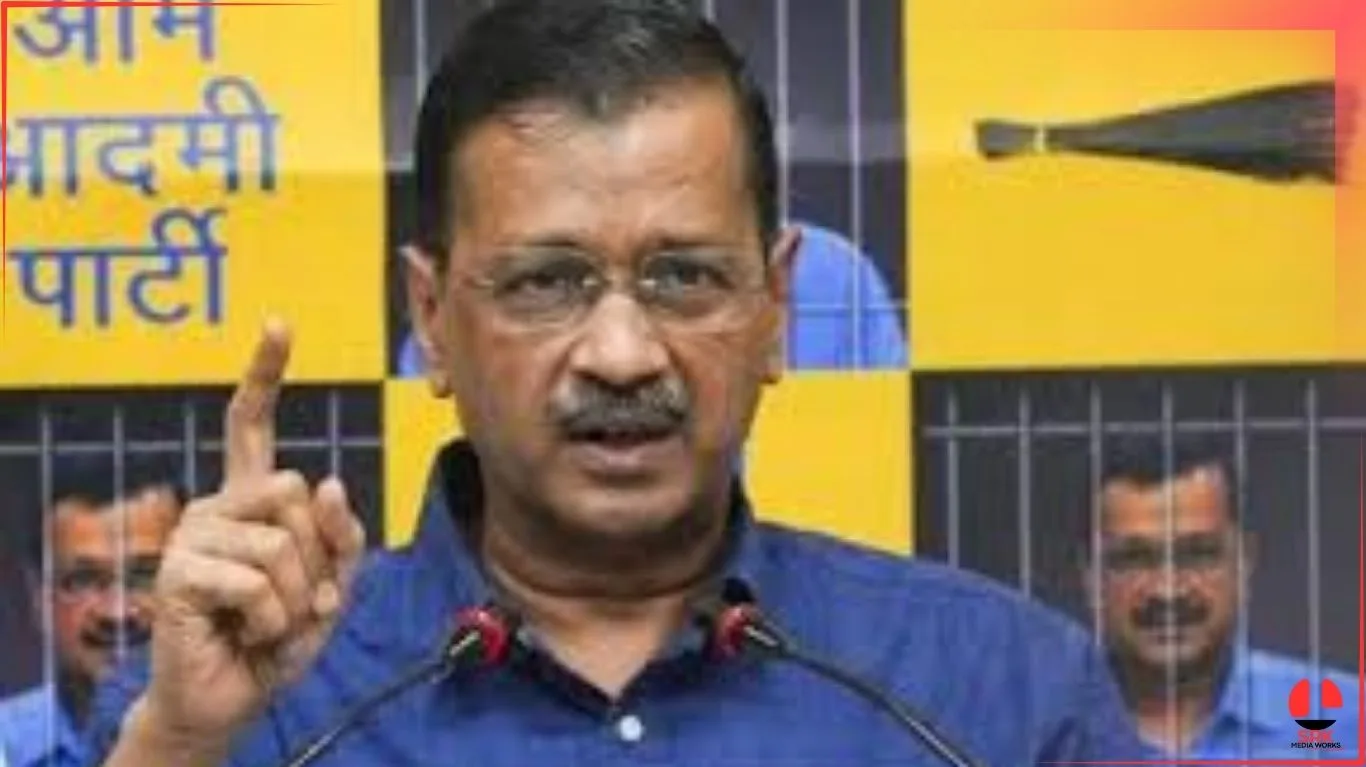




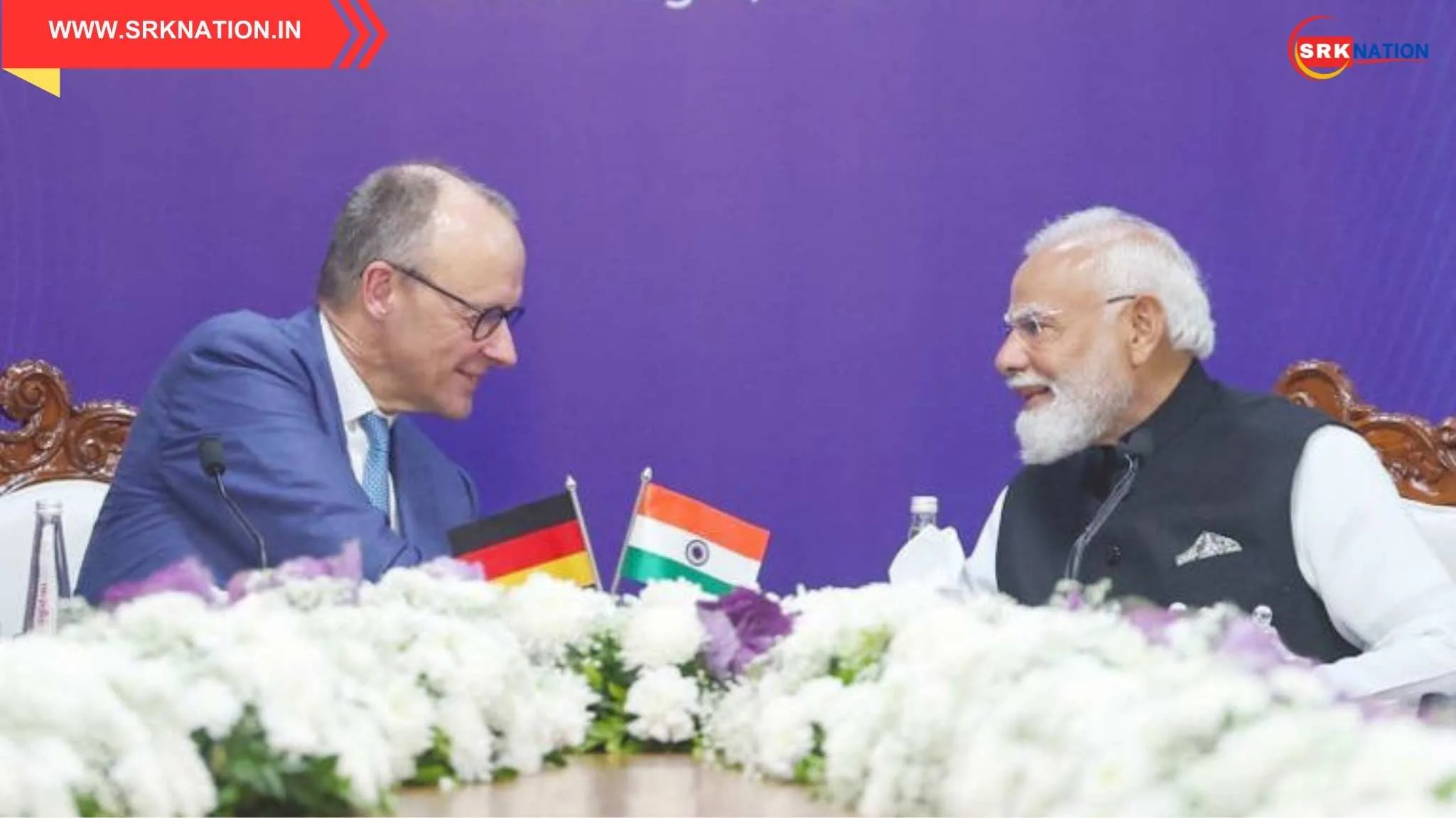
In a landmark diplomatic development, the recent meeting between Indian Prime Minister Narendra Modi and German Chancellor Friedrich Merz has delivered a significant benefit for Indian travelers. Germany has officially announced that Indian citizens will now be allowed visa-free airport transit, a move that simplifies international travel and strengthens bilateral ties between the two nations. This decision is being hailed as a major win for Indians, especially frequent flyers, business travelers, and students who often transit through German airports en route to destinations across Europe, North America, and beyond.
Background of the Decision
- Germany has long been one of the busiest transit hubs in Europe, with airports like Frankfurt and Munich serving millions of passengers annually.
- Previously, Indian travelers required a transit visa to pass through German airports, even if they were not entering the country.
- The requirement often caused delays, additional expenses, and complicated travel plans for Indians.
- The new visa-free transit policy reflects Germany’s recognition of India’s growing global mobility and the importance of facilitating smoother travel for its citizens.
Key Highlights of the Announcement
| Indicator | Details |
|---|---|
| Policy Change | Visa-free airport transit for Indian citizens |
| Countries Involved | India and Germany |
| Airports Covered | Major German hubs including Frankfurt, Munich, Berlin |
| Beneficiaries | Indian travelers, students, business professionals |
| Strategic Impact | Strengthens India-Germany relations, boosts travel convenience |
| Broader Implication | Enhances global mobility for Indians |
Impact of Visa-Free Transit Policy
| Factor | Previous Requirement | New Policy | Impact on Indians |
|---|---|---|---|
| Transit Visa | Mandatory for Indian citizens | No longer required | Saves time and money |
| Travel Convenience | Complex documentation | Simplified process | Easier international travel |
| Business Travel | Delays due to visa processing | Smooth transit | Boosts global business connectivity |
| Student Mobility | Additional hurdles | Streamlined transit | Encourages academic exchanges |
| Diplomatic Relations | Routine cooperation | Strengthened ties | Reflects growing India-Germany partnership |
Why This Story Matters
- Travel Convenience: Indian travelers can now transit through Germany without worrying about visa formalities.
- Economic Impact: Facilitates smoother business travel, boosting trade and investment opportunities.
- Educational Benefits: Students traveling to Europe and North America benefit from simplified transit.
- Diplomatic Success: Reflects the success of Modi-Merz talks in delivering tangible outcomes.
- Global Mobility: Enhances India’s standing as a nation with increasing international travel freedom.
Benefits for Indian Travelers
- Time Savings: No need to apply for transit visas, reducing paperwork and delays.
- Cost Reduction: Eliminates visa fees and associated expenses.
- Flexibility: Easier to book connecting flights through German airports.
- Accessibility: Opens up more travel routes via Europe’s busiest hubs.
- Confidence: Strengthens trust in India’s global partnerships.
Benefits for Germany
- Increased Passenger Traffic: More Indians likely to choose German airports for transit.
- Boost to Aviation Sector: Airlines benefit from higher bookings and smoother operations.
- Strengthened Relations: Enhances Germany’s image as a welcoming partner for India.
- Economic Opportunities: Facilitates business and tourism exchanges.
- Global Leadership: Positions Germany as a progressive hub for international travelers.
Expert Opinions
- Travel Analysts: Highlight that visa-free transit will make Germany a preferred hub for Indians.
- Economists: Note that smoother travel boosts trade and investment opportunities.
- Education Consultants: Emphasize the benefits for students traveling to Europe and beyond.
- Diplomatic Experts: Stress that the decision reflects deepening India-Germany ties.
Challenges Ahead
- Implementation: Ensuring smooth rollout of the new policy across all German airports.
- Awareness: Informing Indian travelers about the updated rules.
- Security Concerns: Maintaining robust checks while easing transit requirements.
- Coordination: Aligning airlines and immigration authorities with the new policy.
- Sustainability: Ensuring the policy remains effective amid changing global dynamics.
Opportunities for India
- Boost Global Mobility: Strengthen India’s image as a globally connected nation.
- Encourage Tourism: More Indians may explore Europe via German hubs.
- Enhance Business Ties: Facilitate smoother travel for entrepreneurs and professionals.
- Support Students: Simplify journeys for Indian students studying abroad.
- Diplomatic Leverage: Use the success as a model for negotiations with other nations.
Opportunities for Germany
- Strengthen Aviation Sector: Attract more transit passengers from India.
- Promote Tourism: Encourage Indians to explore Germany during layovers.
- Enhance Global Image: Position Germany as a progressive travel hub.
- Boost Trade Relations: Facilitate smoother business exchanges with India.
- Cultural Exchange: Encourage greater interaction between Indian and German citizens.
Broader Context of India-Germany Relations
- India and Germany share strong ties in trade, technology, education, and cultural exchange.
- Germany is one of India’s largest trading partners in Europe.
- The visa-free transit decision reflects mutual respect and cooperation.
- The Modi-Merz meeting has set the stage for deeper collaboration in multiple sectors.
- The move aligns with India’s broader diplomatic strategy of enhancing global mobility for its citizens.
Media Coverage
- Headlines emphasized the visa-free transit as a “big win” for Indians.
- Analysts debated the economic and diplomatic impact of the decision.
- Coverage highlighted the role of Modi-Merz talks in achieving the breakthrough.
- The story continues to dominate discussions in travel, business, and diplomatic circles.
Conclusion
The Modi-Merz meeting delivering Germany’s decision to allow visa-free airport transit for Indian citizens marks a historic milestone in bilateral relations. For millions of Indians, the move simplifies international travel, reduces costs, and enhances global mobility. For Germany, it strengthens its aviation sector and positions the country as a progressive hub for international travelers. The decision reflects the success of diplomatic engagement and sets the stage for deeper cooperation between India and Germany in the years ahead.
Disclaimer
This article is intended for informational purposes only and does not constitute travel or diplomatic advice. Policies, travel rules, and diplomatic agreements are subject to change based on evolving circumstances. Readers are encouraged to follow official updates for accurate information. The author and publisher are not responsible for any decisions made based on this article.