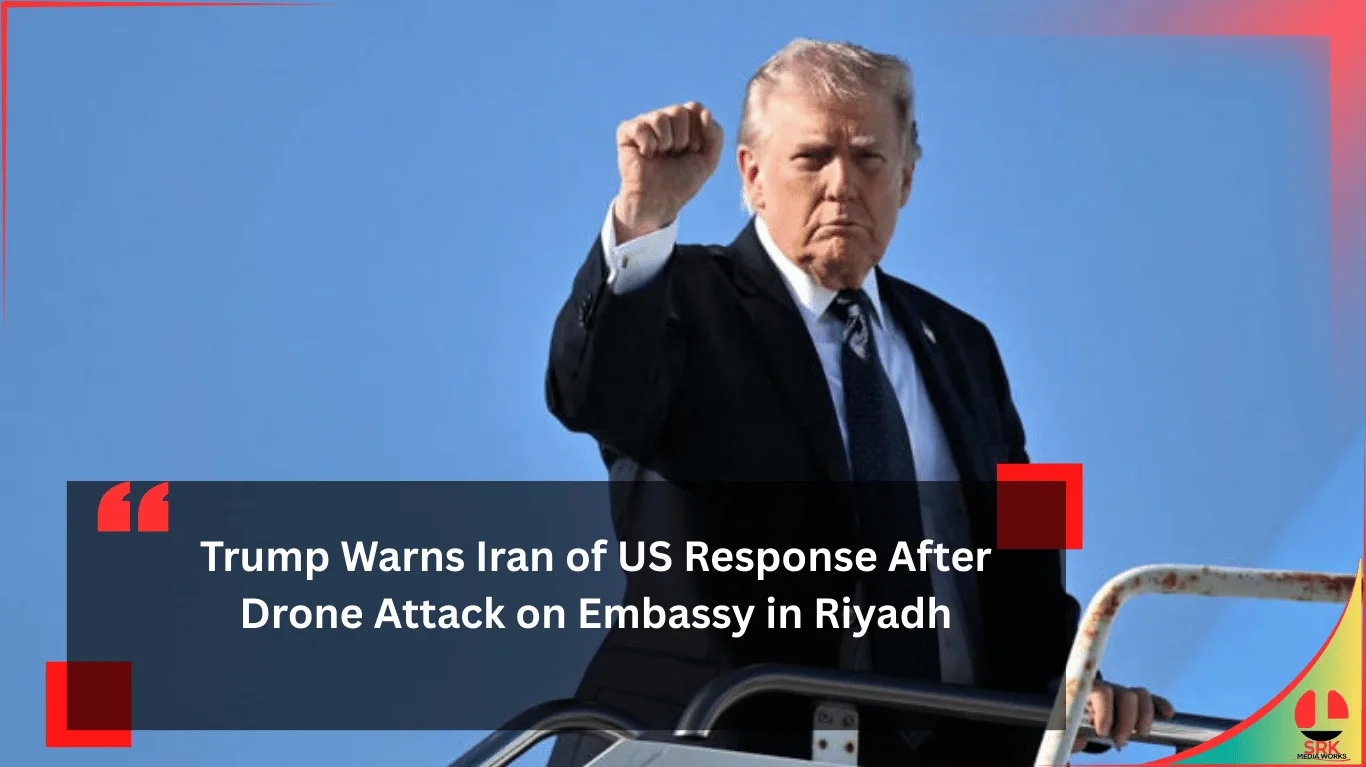




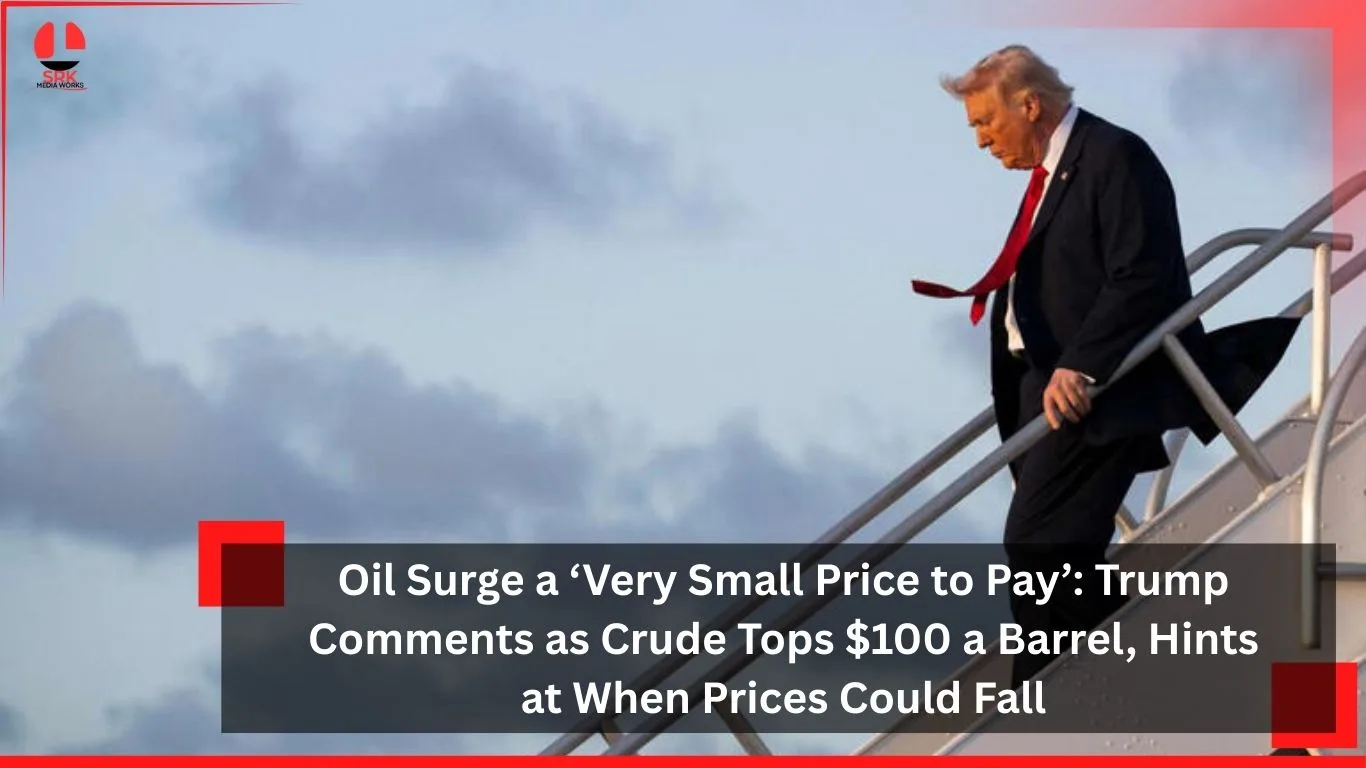
Global oil markets witnessed a dramatic surge as crude prices crossed the $100 per barrel mark, sparking widespread concerns about inflation, energy costs, and economic stability. President Donald Trump, however, downplayed the impact, calling the surge “a very small price to pay” and hinting at when prices could potentially ease. His remarks have reignited debates on energy policy, market volatility, and the future of global oil supply.
Context of Trump’s Statement
Speaking at a recent event, Trump emphasized that while oil prices had surged past $100, the situation was manageable compared to broader economic challenges. He suggested that the spike was temporary and hinted that prices could begin to fall once certain geopolitical and supply chain factors stabilize.
His comments were aimed at reassuring markets and consumers, framing the surge as part of a cyclical trend rather than a long-term crisis.
Why Oil Prices Surged
Several factors contributed to crude oil breaching the $100 mark:
- Geopolitical Tensions: Conflicts in oil-producing regions have disrupted supply chains.
- OPEC+ Decisions: Production cuts by major oil-exporting countries tightened supply.
- Global Demand Recovery: Post-pandemic economic recovery has increased demand for energy.
- Currency Fluctuations: A weaker dollar often drives up commodity prices, including oil.
Trump’s Perspective
Trump’s assertion that the surge is “a very small price to pay” reflects his broader economic outlook. He argued that the U.S. economy remains resilient and that energy markets will stabilize once production levels adjust.
He hinted that prices could fall in the coming months, suggesting that increased domestic production and negotiations with global suppliers could ease the pressure.
Market Reactions
Financial markets responded cautiously to Trump’s remarks. While some analysts agreed that the surge might be temporary, others warned that prolonged geopolitical instability could keep prices elevated.
Investors are closely monitoring OPEC+ decisions, U.S. shale production, and global demand trends to assess whether Trump’s optimism aligns with market realities.
Comparative Analysis of Oil Price Surges
| Year | Average Crude Price | Key Trigger Event | Market Impact |
|---|---|---|---|
| 2008 | $147 per barrel | Global financial crisis, demand spike | Severe inflation, recession |
| 2014 | $115 per barrel | OPEC supply decisions | Price collapse later that year |
| 2022 | $120 per barrel | Russia-Ukraine conflict | Energy crisis in Europe |
| 2026 | $100+ per barrel | Geopolitical tensions, OPEC+ cuts | Inflationary pressures globally |
Pivot Analysis of Oil Market Trends
| Dimension | Current Surge | Past Surges | Future Outlook |
|---|---|---|---|
| Geopolitical Impact | High | High | Moderate to High |
| Supply Chain Disruption | Significant | Moderate | Likely to ease |
| Demand Pressure | Strong | Variable | Stabilizing |
| Policy Response | Active | Reactive | Proactive measures expected |
Political Implications
Trump’s remarks carry significant political weight:
- Reassurance to Consumers: By downplaying the surge, he seeks to calm public fears about rising fuel costs.
- Energy Policy Narrative: His comments reinforce the importance of domestic energy production.
- Global Diplomacy: Hints at negotiations with oil-producing nations suggest a proactive approach to stabilizing markets.
Broader Economic Concerns
The oil surge raises critical questions about global economic stability:
- How will rising energy costs affect inflation and consumer spending?
- Can increased domestic production offset global supply disruptions?
- What role will renewable energy play in mitigating future crises?
Economists argue that while short-term volatility is inevitable, long-term solutions lie in diversifying energy sources and reducing dependence on geopolitically sensitive regions.
Conclusion
Trump’s statement that the oil surge is “a very small price to pay” reflects confidence in the resilience of the U.S. economy and global energy markets. While crude prices crossing $100 per barrel has sparked concerns, his hint that prices could fall in the near future offers cautious optimism.
The coming months will be crucial in determining whether geopolitical tensions ease and supply chains stabilize. For now, the oil surge serves as a reminder of the interconnectedness of global markets and the importance of strategic energy policies.
Disclaimer
This article is a journalistic analysis based on political statements and publicly available information. It does not represent endorsement of any political party or leader. Readers are encouraged to verify facts independently and view the content as part of ongoing democratic discourse.